09 April, 2026
How to Fix a Leaking Toilet: A DIY Guide for Every Type of Leak
Leaking toilet? Learn how to fix common causes like faulty flapper, fill valve, wax ring or base leaks with simple DIY steps and prevention tips to avoid costly water damage.

A leaky toilet is one of those tasks that gets pushed to the bottom of the list. And I understand why, it's hard to see any urgency when the water just trickles somewhere out of sight. But I've been called to jobs where a small leak has rotted the subfloor and the water bill is sky-high. Learning how to fix a leaking toilet yourself can save you hundreds of dollars. Most of the time, you don't need a plumber.
Where Toilet Leaks Come From
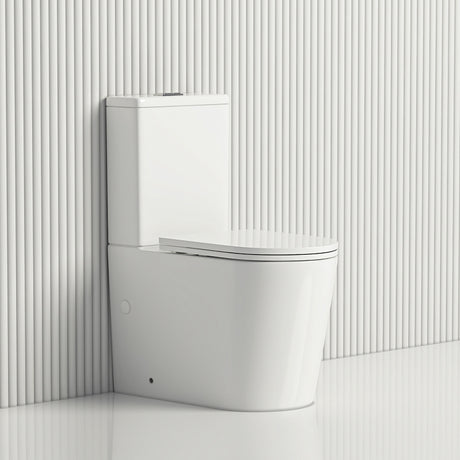
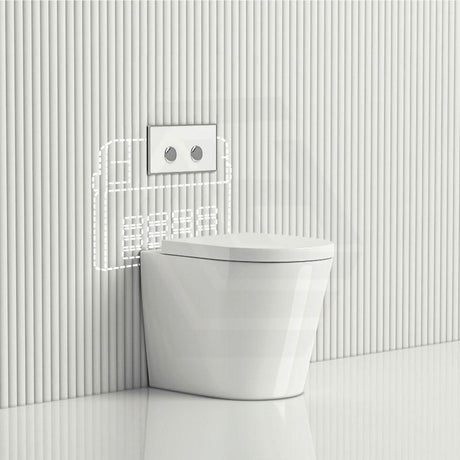
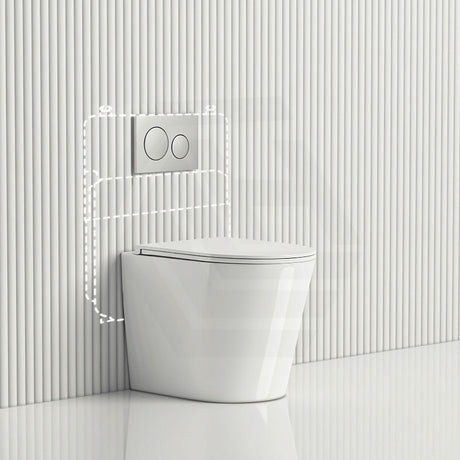
Toilets are straightforward. Water comes in from a supply line and fills the tank. When you press the flush button, a valve opens and the water flows down into the bowl. But there are plenty of areas where things can go wrong. The tank is the most common place you'll find leaks. The fill valve lets water into the tank, and the flush valve closes off the bottom. Both have rubber parts that eventually wear out. If the fill valve fails, the toilet will run constantly. If the flush valve fails, it will silently leak water into the bowl. The tank-to-bowl connection is another area where leaks develop. The rubber gasket and bolts that hold the tank to the bowl will eventually deteriorate. The wax ring at the base of the toilet is another common leak area. There's a wax ring between the outlet at the base of the toilet and the floor flange. If it fails, every time you flush the toilet, water will puddle onto the floor. Finally, there's the supply line, that braided hose that runs from your wall tap to the fill valve in your toilet. It will eventually crack, usually around the 10-year mark.

How to Identify the Source of Your Leak
Before we jump into fixing a leaky toilet, take 10 minutes to figure out where the leak is coming from before you spend an hour pulling the toilet apart. Dry the outside of the toilet off completely, then place dry paper towels around the base and behind the tank. Wait for half an hour without flushing the toilet, then see which paper towels are wet. That will tell you the general direction to look. If you suspect the leak is coming from inside the tank, add some food colouring to the tank water (don't flush). If the water in the bowl changes colour after 15 minutes, you have a leaky flush valve seal. This type of leaky toilet is the sneakiest because you won't see any water on the floor, but your water bill will steadily climb. If the paper towels behind the tank are wet but the water in the bowl didn't change colour, you'll want to check the supply line connections and the tank-to-bowl bolts.

Repairing Cistern Leaks: Internal and External
Now that we know where to look, fixing a leaky toilet is straightforward. Leaks inside the tank are the easiest to fix once you've diagnosed the problem. If you have a bad flush valve seal, shut off the water supply at the isolation valve, flush the toilet to empty the tank, then remove the old seal. Take it with you to the hardware store to ensure you get the right size; these aren't universal parts. The replacement seal will either push into place or clip in. Expect to pay around $8-$15. If the problem is with the fill valve—you will know because the toilet not filling with water properly, or the cistern keeps running—you will want to replace the entire valve. How to fix a leaking toilet when the fill valve has failed? Repair kits cost between $15-$40 and can be self-installed. For leaks between the cistern and bowl? The rubber washers under the cistern mounting bolts have degraded. Drain, remove, replace, reassemble. A half-hour job, unless the bolts are corroded.

Fixing Base Leaks and Wax Ring Issues
A toilet leaking from base is the job that scares most DIY homeowners. Because to fix it, you need to lift the toilet to access the wax ring underneath. But it's easy if you take your time. Turn off the water supply, flush the toilet cistern, and sponge out as much water as you can. Disconnect the supply line, pop off the caps covering the floor mounting bolts at the base of the toilet. Undo the nuts and lift the toilet straight up. Scrape the remnants of the old wax ring off the outlet and flange. Place a new wax ring on, lower the toilet back down over the mounting bolts, press down firmly, and tighten the nuts up evenly. Don't overtighten, as porcelain is easy to crack. If the flange is broken, you'll need to call a licensed plumber. But a new flange is under $15. To fix a leaking toilet base, you need to understand how the toilet cistern attaches to the bowl and the floor.

Prevention Tips for Future Leaks
Inspect the inside of your toilet cistern every 6 months. If the rubber seals are warped, cracked or mineral-encrusted, replace them before they leak. A $10 seal today saves a $200 water bill next quarter. Listen to your toilet. If it takes too long to stop running after you flush, or if it cycles on and off at random, something is about to break. Inspect your supply line every year. If it's a braided flexible hose, you'll need to replace it every decade or so. But look every year for signs of bulging or moisture seeping from the connections. When you replace your toilet suite, spend money on a quality toilet bowl cistern from a reputable brand. Cheap brands use lower-quality internals which have a shorter lifespan. A good toilet water tank with decent components will give you years of trouble-free service.