25 September, 2026
Slope of Toilet Drain Pipe: Australian Fall Rules
Understand the correct slope of toilet drain pipe under AS/NZS 3500.2, including fall ratios, trap types and common installation mistakes.

A dead-flat toilet drain and a too-steep one cause the exact same headache — waste sitting where it shouldn't. In my experience, this is the detail most reno budgets skip over, right before the tiler gets blamed for a smell nobody can explain. The answer isn't complicated: Australian Standards set fall for standard 100mm sanitary pipe at usually between 1:60 and 1:100, enough to move solids and liquid together without the water racing ahead and leaving waste behind. Get that number right and the rest — connectors, trap type, pan position — falls into place. Get it wrong, and no amount of good tiling will hide it.
Video Credit: gregvancom
Why Toilet Drain Slope Matters
The slope of toilet drain pipe is an important thing to get right — a badly sloped drain cannot be hidden by good looking bathroom tiles. If it doesn't have enough fall, the water (with solid waste) can pool up and cause backflows of odours or clogs. If there is too much fall, then the water can outrun the waste (this is known as self-siphoning) which is often seen during renovations where builders are trying to gain a few millimetres in ceiling heights.
In my opinion, most people believe that any kind of slope is sufficient. However, it is not so simple. You need enough slope so that both solids and liquid flow at the same rate, but not so much that water flows faster than the solids.

Australian Standards for Drain Pipe Fall (AS/NZS 3500.2)
The standard for toilet drain pipe fall in Australia is usually between 1:60 and 1:100 for standard 100mm diameter sanitary pipe. It varies depending on the usage, but this is what the standard states (AS/NZS 3500.2:2025). Any licensed plumber working on your bathroom will follow this standard rather than their own judgement.
Beyond the fall ratio, the standard also gets specific about how you connect two sloped pipes together. You must use a 45° Y-connection, and 88° connections are not suitable for this purpose (AS/NZS 3500.2:2025). If you are doing copper plumbing for your hot water system in a renovation, note that from 1 May 2026 manufacturers may only produce Lead Free WaterMark certified copper-alloy products for drinking water contact (NCC 2025, Volume Three, Part A5); products with an existing WaterMark licence can still be legally installed until 30 April 2028. This applies to water-supply fittings in contact with drinking water, not to the sanitary drainage and waste pipework this article is about.

Calculating Your Toilet Drain Slope
When you know your fall ratio, calculating the size of the slope is relatively easy (though the job itself is much more complicated). If you have a drain run of 4 metres with a 1:80 fall, divide 4000mm by 80, giving you a drop of 50mm over that distance.
Easy enough, right? But it is much harder to keep the slope of toilet drain pipe consistent along the entire length, taking into account the floor joists, other services and connection points. A spirit level and a piece of PVC pipe won't help you see what the overall fall looks like. For that, you need a laser level and a proper site set-out. It's a job for a licensed plumber.

S Trap vs P Trap Configurations and Slope Requirements
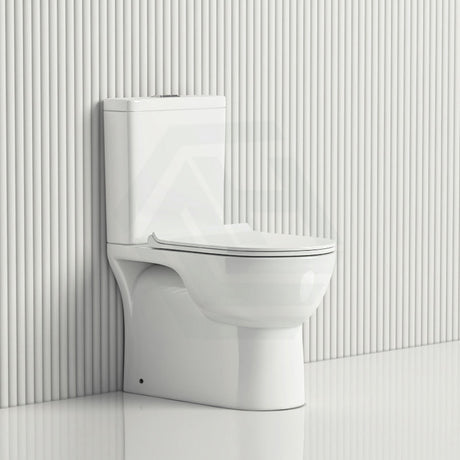
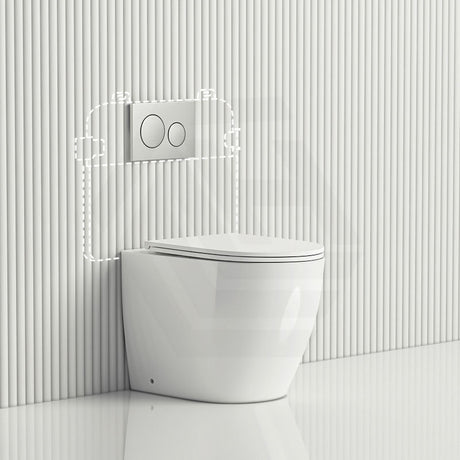
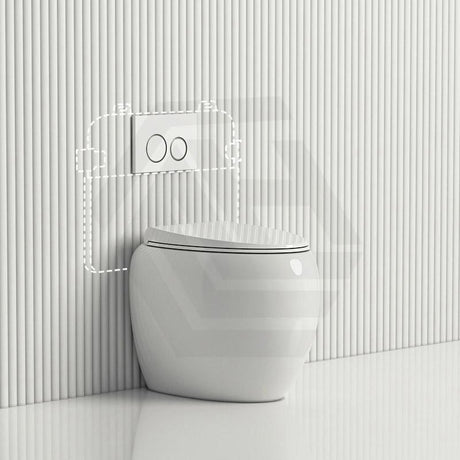
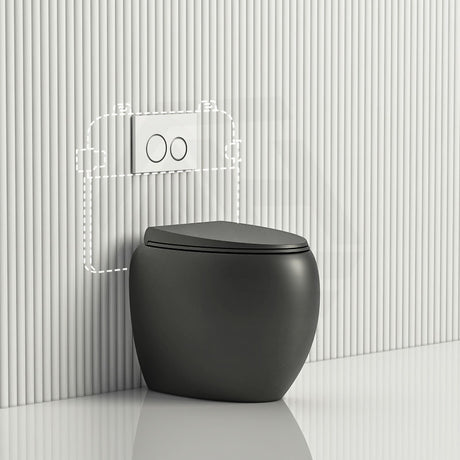
The toilet outlet you select impacts the whole waste line, even before fall enters the equation. An s trap toilet discharges through the floor, so the drain is likely to go under the slab or through the subfloor void, which allows a lot more scope for getting fall over a longer distance.
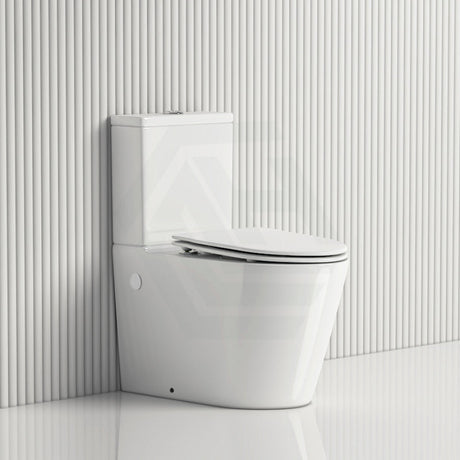
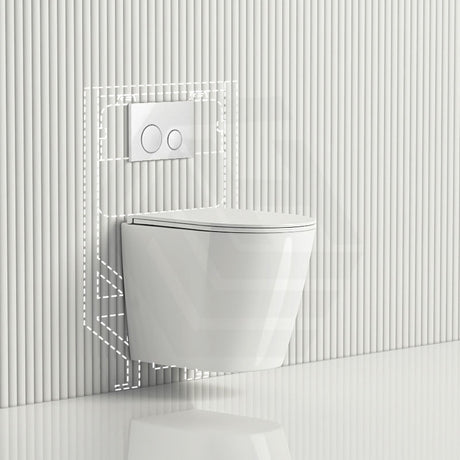
A wall-outlet toilet uses a p trap pan connector and exits through the wall. The drain then runs either in the wall or in the ceiling void below. That can be harder to get right in an old house, where the cavity depth may be limited — there isn't as much room to build in fall without the pipe punching through the ceiling below. Neither is necessarily better; I have installed plenty of both. Usually, the existing plumbing will determine what is possible, and it's a conversation to have with your plumber before you fall in love with a particular toilet suite.

Common Installation Mistakes and How to Avoid Them
I frequently see the following mistakes turn up on-site:
1. Too much fall installed in an attempt to "be safe," leading to self-siphoning and waste left behind in the pipe. 2. Not enough fall over a long drain run, most often after a toilet pan has been relocated further from the stack without adjusting the slope of toilet drain pipe to suit. 3. Pan connectors not aligned or properly seated, resulting in a step that traps waste at the connection. 4. Sweeps or other junctions used instead of a 45° Y junction, which the standard doesn't permit.
Trying to fix the fall yourself is not an option — altering waste drains is licensed plumbing work in every Australian state and territory, and getting it wrong can cause headaches later, including at sale time. A licensed plumber will assess whether there's already fall in the system, work out how much fall your run needs, and issue a certificate of compliance once the job is done. It's easy to underestimate how important that certificate is — it shows the work was done correctly and protects you if anything goes wrong later.
References
AS/NZS 3500.2:2025 Plumbing and Drainage — Sanitary Plumbing and Drainage, Standards Australia
National Construction Code 2025, Volume Three (Plumbing Code of Australia), Part A5 Documentation of Design and Construction — Lead-Free Copper Alloy Requirements
State and territory plumbing licensing authorities (Building and Plumbing Commission Victoria; Building Commission NSW / NSW Fair Trading; Queensland Building and Construction Commission; Plumbers Licensing Board Western Australia (administered by Building and Energy); Consumer, Building and Occupational Services Tasmania; Access Canberra ACT; Office of the Technical Regulator / Consumer and Business Services South Australia; Plumbers and Drainers Licensing Board Northern Territory)