08 September, 2026
Toilet Ventilation Pipe: How It Works and Why It Matters for Your Australian Bathroom
Understand how a toilet ventilation pipe keeps sewer gases out and balances pressure. Covers Australian Standards, materials, and sizing.

That rotten-egg whiff after a flush isn't just unpleasant — it's a warning sign you shouldn't ignore. The vent pipe running from your drainage system through the roof is what keeps sewer gases out of your home, balances air pressure as water moves through the pipes, and stops your trap seals from being siphoned dry. In my experience, it's one of the most overlooked components in an Australian bathroom — right up until something goes wrong. This article breaks down how the system works, what Australian Standards require, and what materials and specs actually matter when it's time for repairs.
Video Credit: Rising Tide Plumbing
What a Toilet Ventilation Pipe Is Actually There For
The toilet ventilation pipe's sole purpose is to provide a channel for air to enter your drainage system as your toilet flushes. This balances out the air pressure in your drainage system and prevents a vacuum forming.
Without a vent pipe, your drainage system would be sealed. So, as the water rushes through the pipes, it would create a vacuum behind it, pulling air and gas from the trap seal — the U-shaped pipe under the pan that blocks sewer gases from entering your home.
Hydrogen sulphide and methane both lurk in sewer gas — two things you really don't want anywhere near your lungs. Hear a gurgle, notice a sluggish drain, or catch that rotten-egg whiff after a flush? Each one's a sign your vent needs attention.
The main vent stack punches through the roof, ties into your drainage system, and pulls fresh air in from outside. Branch vents are what connect your toilet to the main vent stack. Older systems are notorious for blocked, corroded, or cracked vent pipes — worth a proper look to rule out debris, animal nests, and rot.

Key Components and the Way They Connect
Straight up through the roof from the drainage system — that vertical run is the main vent stack, and it's the backbone of everything. Branch vents are how each fixture ties into the main stack — your toilet among them. Between your toilet's trap outlet and the drainage line sits a short horizontal pipe called the trap arm. At the roof penetration point, a flashing collar wraps the vent pipe and keeps water out.
Single toilet connections call for a branch vent pipe with an internal diameter of at least 50 mm. The number of fixture units connected determines the correct sizing — leave that calculation to your licensed plumber. Where one graded drain meets another graded pipe, a 45° Y junction is the only fitting for the job. An 88° sweep junction? Flat-out not permitted for that connection type.
Every roof exit point for a vent pipe needs a collar and flashing that together form a fully watertight seal. Flashing that isn't properly sealed lets water straight in — and the ceiling damage can sit there unnoticed for months.

Australian Standards and What Compliance Looks Like
Toilet ventilation pipework in Australia is governed by AS/NZS 3500.2:2025, which lays out the sanitary plumbing and drainage requirements (AS/NZS 3500.2:2025) — from drain grading and pipe sizing right through to vent pipe configuration.
Under the National Construction Code, any mechanical exhaust system serving a bathroom or sanitary compartment has to hit a minimum flow rate of 25 L/s. Worth clarifying: the mechanical exhaust requirement is about powered extraction fans, not the passive soil vent pipe system — these are two separate systems with entirely different jobs.
In Australian homes, vent pipes have to terminate outside — through the roof. Terminating any part of the vent pipe inside an enclosed space — roof cavities or living areas included — is not permitted. Minimum termination height above the roof line is set by AS/NZS 3500.2:2025 — ask your licensed plumber what that means for your specific setup.
In Australia, air admittance valves aren't a blanket solution — there are situations where they simply can't be used. Before you treat an air admittance valve as a straight swap for a standard vent pipe, have a chat with your licensed plumber — and the work itself has to go to someone with the right licence.
There are no exceptions: a licensed plumber required in every state and territory must carry out all plumbing work (state and territory plumbing licensing legislation). Once the job's done, your plumber has to hand over a compliance certificate — what it's called depends on your state or territory.

Materials, Sizing, and Specs Worth Knowing
Need to replace a toilet ventilation pipe? uPVC is what most plumbers reach for these days. It's tough, corrosion resistant, and straightforward for a licensed plumber to work with — pricing sits at around $3–$8 per metre, with diameter pushing the cost up or down. Copper vent pipes turn up in older homes and are often still in decent shape. Copper is more durable but more expensive and requires specialist skills and equipment — whatever material is used, the fittings that go with it must also meet Australian certification requirements.
There's no getting around it — every fitting has to satisfy the WaterMark certification required for all pipe fittings in sanitary drainage (WaterMark Certification Scheme), full stop. Your licensed plumber will verify each fitting against this requirement before a single piece goes in.
Horizontal vent pipes need the right grade — without it, condensation pools inside the pipe instead of draining back into the system where it belongs. A wrong fall gradient means a pressure imbalance — small detail, big consequences. What gradient is right comes down to your specific layout — your licensed plumber will figure that out on site.
A basic vent pipe repair? Most licensed plumbers have it sorted in two to four hours — though complexity can stretch that out.

Installation Requirements: What You Should Know
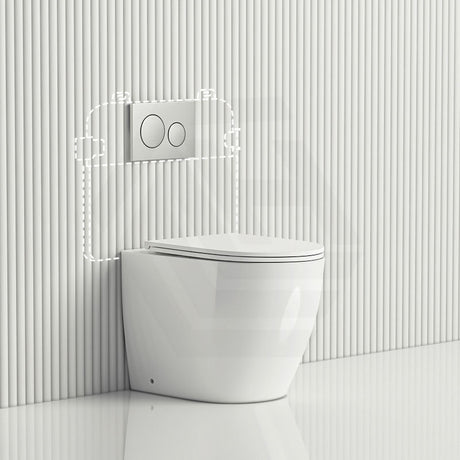
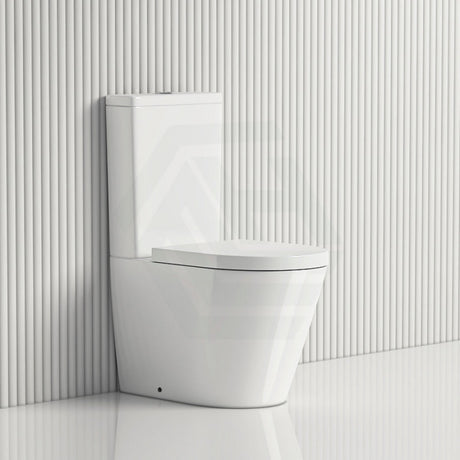
Lock in the bathroom layout before a single tool comes out — it genuinely shapes how the job goes. The trap configuration on your toilet drives the whole vent layout: a p trap toilet exits through the wall, an s trap through the floor — and that difference determines both the vent connection point on the trap arm and the maximum trap arm length.
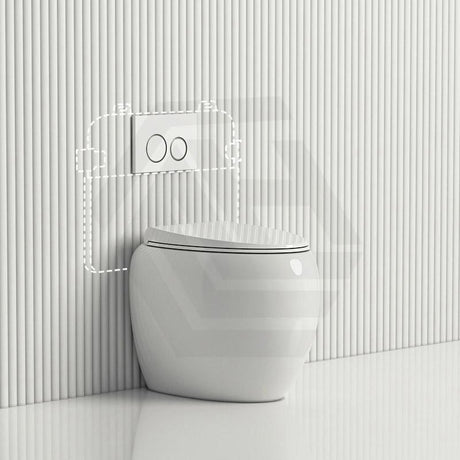
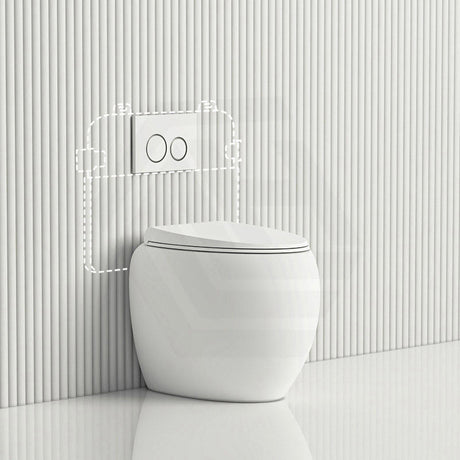
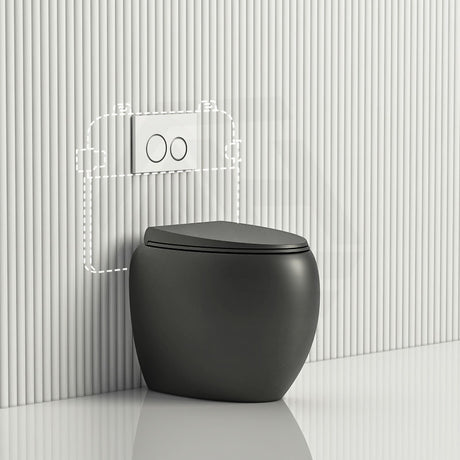
Throw an in wall cistern into the mix and the wall cavity shrinks fast — it claims a fair chunk of the space you'd otherwise use for vent pipe routing. Geberit publishes detailed rough-in specs for concealed cistern systems — your licensed plumber needs to work through those before the walls close in, so every connection lands where it should.
Plasterboard thickness is another thing that chews into the wall cavity — and that can ripple through to affect trap arm dimensions. All of these factors feed into what your licensed plumber works through — the goal is a final layout that connects properly and stays within compliance.
Of all the elements in your home's sanitary system, the toilet ventilation pipe sits near the top of the critical list. Keep it clear and in working order — and make sure it's up to current standards so sewer gas stays out of your living space.
References
AS/NZS 3500.2:2025 Plumbing and Drainage — Sanitary Plumbing and Drainage, Standards Australia
National Construction Code 2025, ABCB Housing Provisions, Part 10.8 Condensation management
State and territory plumbing licensing authorities (Building and Plumbing Commission Victoria; Building Commission NSW / NSW Fair Trading; Queensland Building and Construction Commission; Plumbers Licensing Board Western Australia (administered by Building and Energy); Consumer, Building and Occupational Services Tasmania; Access Canberra ACT; Office of the Technical Regulator / Consumer and Business Services South Australia; Plumbers and Drainers Licensing Board Northern Territory)
WaterMark Certification Scheme, Australian Building Codes Board