15 September, 2026
Installing a P Trap: Setout, Seals and AU Plumbing Rules
Installing a P trap means getting setout height, seals and pan connections right. Learn the AU rules a licensed plumber follows for a lasting fit.

Get the setout wrong and you're stuck with an expensive floor ornament instead of a working toilet. In my experience, most P-trap dramas come down to one number: the height from finished floor to the centre of the wall outlet. Standard P-trap height sits at 185 millimetres, but some suites are built to 180 millimetres instead — mix them up and nothing lines up. Add in a licensed plumber's checks on the pan connector, seal and waste alignment, and a straightforward swap still runs two to three hours. This guide covers the setout, the seals that fail, and the AU rules a tradie won't skip.
Video Credit: PLUMBING PROS
So What Actually Is a P-Trap Toilet?
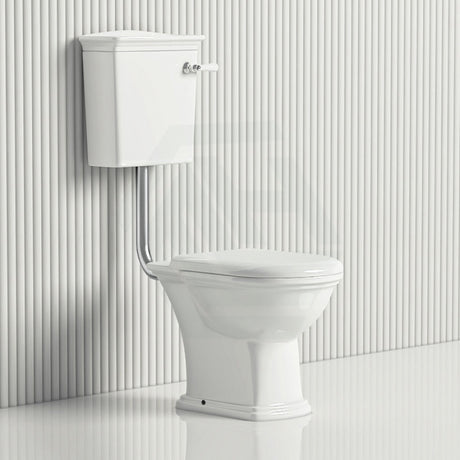
Let me sort this out right now. People bring it up at dinner parties all the time — after years on the tools, plumbing just becomes one of those topics that follows you home. People often assume a P-trap toilet has some separate trap fitting hiding behind the wall — it doesn't. The trap's actually cast right into the ceramic pan.
P-trap simply describes which way the pan's outlet points. If the outlet exits through the wall behind the toilet, that's a P-trap. If the outlet drops down through the floor rather than the wall, you're dealing with an s trap. Both designs rely on a water seal inside the pan to keep sewer gas out, and neither one beats the other — the layout of your existing plumbing decides which suits. Here we're focused on p trap suites, not the trap under a basin or laundry tub — that's an entirely different product, sized differently altogether.

Getting the P-Trap Set-Out Right
Once you know the trap sits inside the pan and the outlet runs through the wall, the real question is where that outlet actually needs to land.
People stuff this bit up constantly, and every time, it costs them cash. That P-trap figure is a height measurement — finished floor up to the centre of the wall outlet, nothing else. Don't confuse it with distance out from the wall — that's the s trap measurement, and it sits on a totally different axis.
If you're swapping out an existing suite, measure the current wall outlet first — do this long before placing an order. One wrong height and you've bought yourself a pricey paperweight sitting in a bathroom nobody can use.

Breaking Down the Installation Itself
After confirming the height against the existing wall outlet, the next stage is fitting the suite to it. Standard P-trap height sits at 185 millimetres, but some suites are built to 180 millimetres instead. Check this figure before installing p trap fittings so you don't end up making a wasted trip.
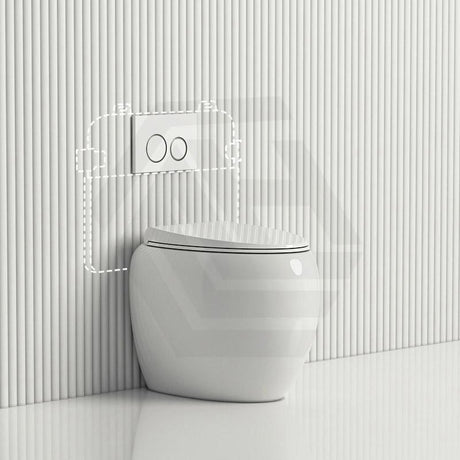
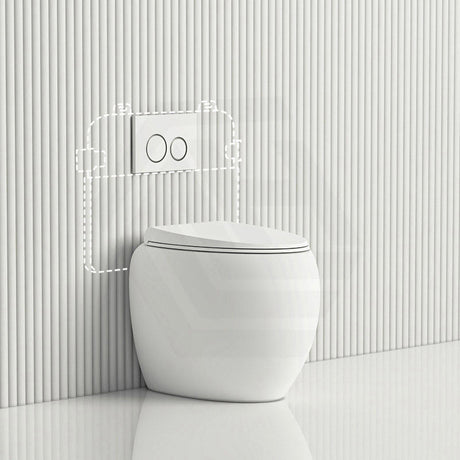
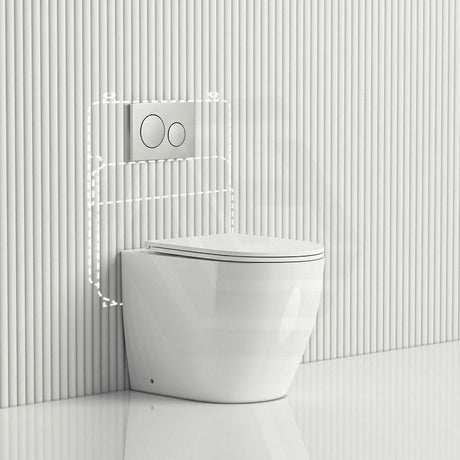
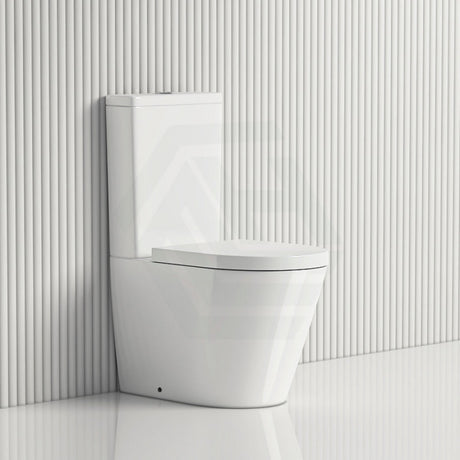
Straight up: this job's not something a YouTube tutorial and a spare Saturday afternoon will sort for you. Every state and territory in Australia demands a licensed plumber for installing p trap connections onto a live waste pipe — no exceptions, full stop. The plumber positions the pan against the wall, checks alignment between the outlets, fits the pan connector, secures the pan to the floor, connects the cistern and tests the flush — start to finish, a typical like-for-like swap runs two to three hours. Sanitary plumbing work like this falls under (AS/NZS 3500.2:2025), which governs how pans are connected and how the wider drainage system is graded. It may look a straightforward task when a back to wall p trap toilet suite is positioned flush to the wall, but lots of things need to be checked before the plumber is satisfied.

Common Mistakes with Seals and Pan Connectors
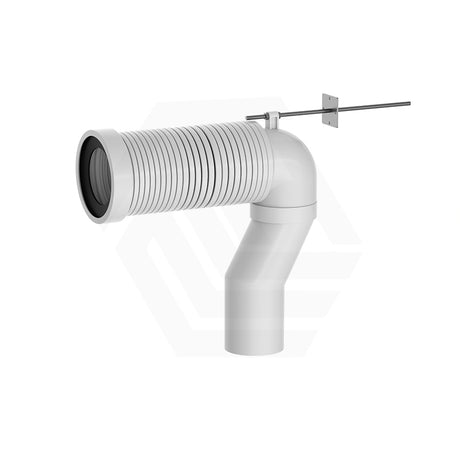
The seal on the wall outlet relies on a pan connector working correctly. This is where many issues arise in installations. The pan connector is the rubber/plastic connector between the outlet of the pan and the waste outlet in the wall. It's a small component but I believe it's one of the most common causes of problems. On any bathroom suite older than fifteen years, the pan connector should be checked before it's reused. If you are choosing your toilet suite yourself before the plumber gets there, take a look around at a good selection of p-trap components and decide which fits your outlet.
These are the common issues that have turned up over my years working as a plumber:
When the outlet doesn't line up with the wall outlet, the pan connector ends up bent or stretched, and the seal takes the hit. The pan connector has been damaged or is old and reused from another toilet suite. This leads to slow leaking that you won't notice until your walls start to smell. A loose connection results in leakage. The pan connector is the wrong size. The pan outlet and wall outlet are different sizes, which shouldn't happen, but does with cheap unbranded products.
All products installed in this area need to comply with the WaterMark Certification Scheme. The local plumbing regulatory authority will inspect and approve the work done before they can issue approval.

Choosing Between P-Trap and S-Trap Set-Outs
Deciding on the correct seal and connector means you need to know the correct type of outlet in your bathroom. Is a P-trap set out the correct outlet or would an s trap set out be better? The truth is that there's no difference between them. They both work the same way, with identical levels of compliance. It comes down to whether you have a floor outlet or wall outlet. They both comply with AS 1172.1 under the WaterMark Certification Scheme. I would never say that one outlet type is better or more compliant than the other, because it isn't true.
If you are re-doing the bathroom from scratch, you will be able to choose either outlet. However, if you are only replacing the suite, your existing outlet will determine which set out you have. A licensed plumber in all states and territories will need to provide final approval regardless of the outlet you use (state and territory plumbing legislation). Once you get quotes, deciding on the outlet type usually determines the right path forward, and installing p trap suites correctly the first time saves a second call-out.
References
AS/NZS 3500.2:2025 Plumbing and Drainage — Sanitary Plumbing and Drainage, Standards Australia
WaterMark Certification Scheme, Australian Building Codes Board
State and territory plumbing licensing authorities (Building and Plumbing Commission Victoria; Building Commission NSW / NSW Fair Trading; Queensland Building and Construction Commission; Plumbers Licensing Board Western Australia (administered by Building and Energy); Consumer, Building and Occupational Services Tasmania; Access Canberra ACT; Office of the Technical Regulator / Consumer and Business Services South Australia; Plumbers and Drainers Licensing Board Northern Territory)