15 September, 2026
AAV Venting Explained: Air Admittance Valves in Australia
AAV venting offers a compliant alternative to roof penetrations. Discover how air admittance valves work and what AS/NZS 3500.2 requires.

Renovating and suddenly realising that getting a vent through your roof will cost far more than you'd budgeted — or simply isn't possible — is a situation more Australian homeowners are facing than ever. Air admittance valves (AAVs) are one-way mechanical devices fitted to the waste pipe that allow air to enter a drainage system to balance the pressure but do not require any roof penetrations. They're available in 32 mm, 40 mm and 50 mm diameters to suit most domestic fixtures, and can save you $300 to $800 or more compared with traditional vent pipe installations. That said, compliance with AS/NZS 3500.2 and WaterMark certification are non-negotiable before you proceed.
Video Credit: Rising Tide Plumbing
What Is an Air Admittance Valve and How Does It Work?
You might have had an insight into why air admittance valves (or AAVs) are quite the buzz in domestic construction if you've encountered this situation while renovating: obtaining a vent through your roof will set you back more than you're comfortable spending — or isn't even possible.
Air admittance valves, commonly known as AAVs, are one-way mechanical devices fitted to the waste pipe that allow air to enter a drainage system to balance the pressure but do not require any roof penetrations. The valve is contained within the valve body, generally manufactured from ABS plastic with EPDM or silicone seals. A diaphragm is held in place by a spring, or simply by gravity, inside the body of the valve. When there's a negative pressure created by water draining away (that vacuum effect which can empty your trap seals), the valve opens and air enters. Once the pressures are balanced or become positive, the valve closes and the gases stay out.
In Australia, AAVs are most commonly available in 32 mm, 40 mm and 50 mm diameters, fitting trap outlets below kitchen sinks, bathroom basins and laundry tubs. It is a fairly simple design, yet an ingenious one.

AAV Venting vs Traditional Vent Pipes: Key Differences
So, now that we have an understanding of the mechanics of how AAVs function, let's look at how they compare with the traditional vent pipe system, and when each method may be a better choice.
Traditional vent pipes travel from the drainage system through the roof to terminate in open air. This requires roof penetrations and flashing, and can mean substantial additional pipe runs. Depending on the configuration of your home and the complexity of your roof, that could cost between $300 to $800 or more. By comparison, AAVs can be installed within a vanity or wall cavity. No roof penetrations. No flashing. Much less disruption.
However, AAVs aren't a panacea for all ventilation issues. They are not capable of dealing with positive pressure in the system and cannot replace the main open vent stack for your house. Most states and territories in Australia still mandate at least one vent to atmosphere for the primary stack. AAV venting can be used effectively in a supplementary or localised capacity, but again, only your licensed plumber can determine what's feasible for your particular plumbing system.

Australian Standards and Regulations for AAV Venting
There's the matter of cost savings and ease of installation, but can you use AAVs in Australia? It depends on compliance with applicable standards and certification.
The key standards document for plumbing and drainage systems in Australia is AS/NZS 3500.2 (AS/NZS 3500.2:2025). Your licensed plumber should refer to this document to see if AAVs are suitable for your application. While the National Construction Code allows AAVs, they are classified as an alternative solution, and not deemed-to-satisfy in every circumstance. Therefore, they may not always be permissible.
Furthermore, AAVs used in Australia must have WaterMark certification. This is the compulsory national product certification for plumbing and drainage products. A non-certified valve might not be accepted by your local plumbing authority, may invalidate your home insurance and could result in a failed building inspection. State and territory regulations add a layer of complexity. Queensland, New South Wales, Victoria, Western Australia and the other states and territories have different plumbing licensing regimes and different views on when AAV venting is suitable. Check with your state plumbing authority for specific requirements before beginning any plumbing work.

Where AAV Venting Is Permitted: Approved Applications in Australia
Approved applications for aav venting in Australia include island bench sinks, under-sink cabinets, and renovations where cutting into walls or piercing the roof is unfeasible or excessive.
It is also important to consider the trap type. A p trap for plumbing is recommended for use with AAVs as it retains its water seal more efficiently within the pressure range managed by an AAV. There are other factors to consider for s trap in plumbing, which is why your licensed plumber will determine which trap is appropriate for your application. An air admittance valve is not suitable for all fixtures, nor can it be used as the only venting for a system. Approved and unapproved uses vary depending on your state, system and the WaterMark certification status of the specific valve.

Installing an Air Admittance Valve: Practical Steps and Common Mistakes
Once you have decided to go ahead with an AAV, it is essential that the valve is installed correctly. This ensures that the valve will function properly and pass inspection. All plumbing work involving the installation of an air admittance valve requires a licensed plumber.
Your licensed plumber will install the AAV in an upright position — horizontal installation is a common and costly mistake — at least 200 mm above the trap water seal, as per AS/NZS 3500.2:2025. It is generally connected to the waste pipe outlet using a push-fit or threaded adaptor and sealed with PTFE tape. The valve must also be accessible. Sealing an AAV within an airtight wall is another common mistake which leads to future issues.
Other mistakes that commonly lead to failed inspections are installing an AAV below the trap water level and using a non-WaterMark certified valve.
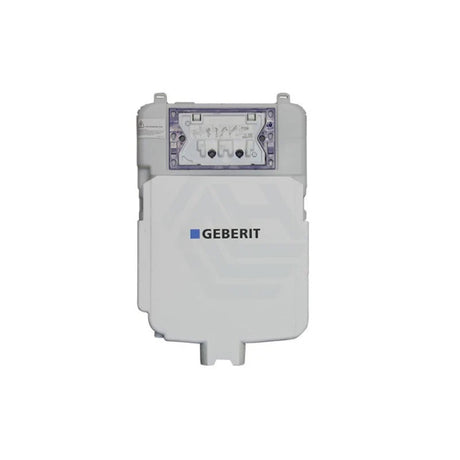
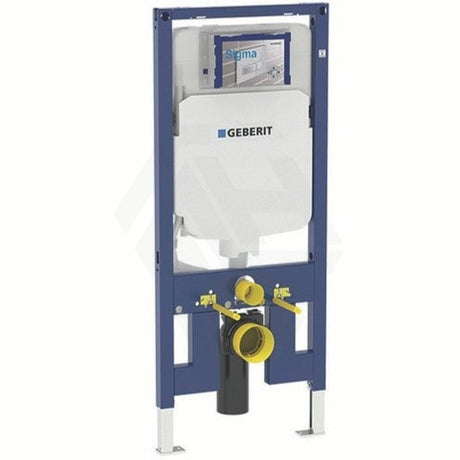
In renovated bathrooms with wall hung toilet suites, aav venting is often necessary due to the lack of space for vent stacks. If you're considering a wall hung toilet, take a look at in wall cistern options from reputable brands like Geberit and R&T and speak to your licensed plumber about venting options early on. In my experience, this can make the difference between a smooth renovation and a stressful one.
References
AS/NZS 3500.2:2025 Plumbing and Drainage — Sanitary Plumbing and Drainage, Standards Australia
National Construction Code 2025, ABCB Housing Provisions, Part 10.8 Condensation management
State and territory plumbing licensing authorities (Building and Plumbing Commission Victoria; Building Commission NSW / NSW Fair Trading; Queensland Building and Construction Commission; Plumbers Licensing Board Western Australia (administered by Building and Energy); Consumer, Building and Occupational Services Tasmania; Access Canberra ACT; Office of the Technical Regulator / Consumer and Business Services South Australia; Plumbers and Drainers Licensing Board Northern Territory)
WaterMark Certification Scheme, Australian Building Codes Board