

29 April, 2026
How to Renovate a Bathroom: Planning, Timeline and Budget Guide
How to renovate a bathroom: complete step-by-step guide covering planning, timeline, budget, waterproofing, tiling and fit-off. Practical advice and common mistakes to avoid for Australian homeowners.

The Renovation Process: What Happens and in What Order
I believe one of the most common pitfalls in renovations is people starting off with a trip to the tile store. However, after all these years working in the trade, I can assure you that it is important that the work is performed in the correct sequence.
Bathroom renovation steps usually happen in the following order:
- Planning and permits — get your design sorted, check council requirements, and collect at least three quotes.
- Strip-out and demolition — your plumber disconnects services, then existing fixtures and tiles come out.
- Rough-in plumbing and electrical — licensed tradespeople relocate or install new water supply, waste, and wiring positions.
- Waterproofing — a licensed waterproofer applies membrane to all wet areas. The National Construction Code requires shower walls to be waterproofed to a minimum of 1800 mm above the floor substrate (NCC 2022, ABCB Housing Provisions, Part 10.2). The membrane needs 24 to 72 hours to cure before tiling.
- Tiling — floor and wall tiles go down, followed by grouting.
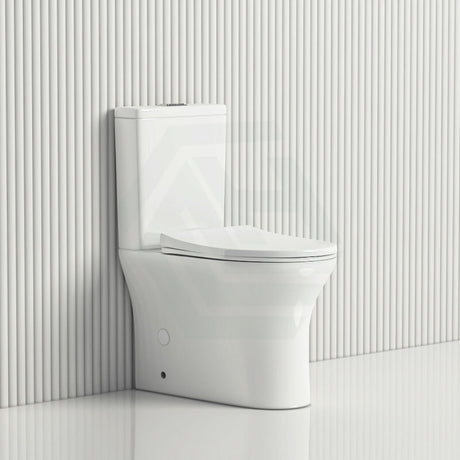
- Fit-off — your plumber installs the toilet, basin, and tapware. The electrician connects the exhaust fan and lighting.
- Vanity installation, accessories, final inspection and clean-up.
Skip one step or perform them out of order and you are in for a headache. I have seen people who have tiled a bathroom over uncured waterproofing. That is one of those jobs you have to rip out and redo completely.

Planning Phase: Budget, Design and Getting the Right Quotes
If you want to know how to renovate a bathroom without a financial disaster, the planning phase is where you can lose or win money.
A typical bathroom renovation in Australia can cost around $10,000 to $35,000. The exact figure largely depends on your city and the complexity of the scope. Sydney sits at the higher end, while Adelaide and Hobart are slightly lower in price. On average, you can expect to pay $2,300 to $4,600 per square metre.
Once you have a rough idea, work out your budget. I recommend adding 15% to 20% contingency money for the unforeseen. This usually happens during demolition when you discover things like rotted framing, non-compliant old plumbing, or asbestos in old adhesive.
Obtain a minimum of three quotes. You will find that tradespeople have different ways of pricing based on the scope of work. Be sure to ask them to break down quotes into individual tasks—labour, materials, plumbing, electrical, waterproofing, and tiling. This way you can compare like-for-like.
Finalise your design decisions before demolition begins. Any changes made during the renovation can and will incur additional costs. This is especially true for plumbing work where pipes and services need to be relocated.

Demolition to Fit-Off: A Realistic Timeline
So how long does a bathroom renovation take? For a standard bathroom with no major layout changes, the duration can vary from three to six weeks. Generally speaking, here are the timeframes per stage.
Demolition and site setup can take two to three days. Rough-in plumbing and electrical takes three to five days. Waterproofing work is three to four days including curing time. Tiling takes five to seven days. Fit-off and finishes take two to three days.
My go-to advice is always to budget for the worst-case scenario. The unexpected happens—materials sit on back orders, tradespeople get delayed by previous jobs. Factor in some slack time so you are not without a bathroom for any longer than you have to be.

Choosing Fixtures, Finishes and Fittings
You should do this as part of your design planning, well before you begin demolition. The key factor is lead time. Some vanities and tiles may have four to eight week lead times for delivery. If you order your products too close to your project schedule you will have tradespeople waiting for materials to arrive, and that costs you money.
When selecting a bathroom vanity with sink, think about the space first. Standard vanity widths start from 600 mm and go up to 1800 mm. For material, PVC vanities tend to be more affordable and are waterproof, MDF vanities can come painted and are mid-range price, and plywood vanities are the premium option.
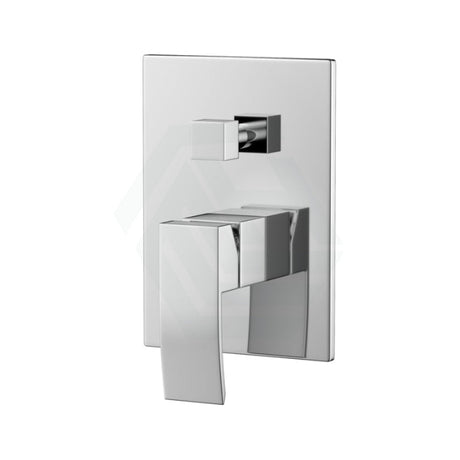
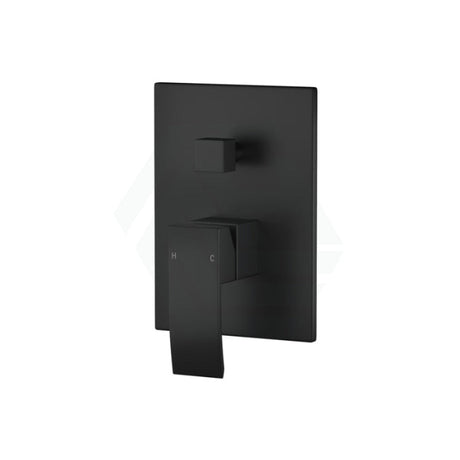
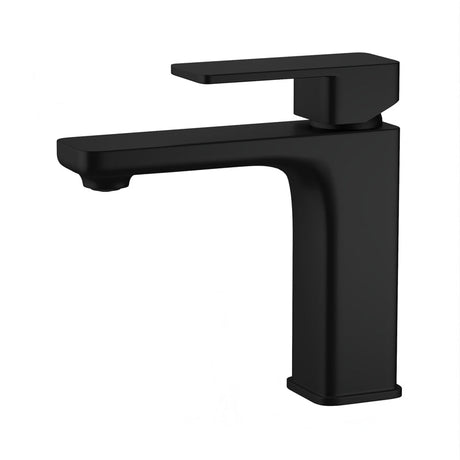
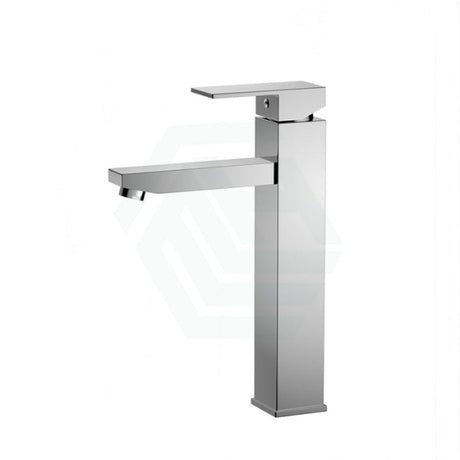
Look for WaterMark-approved products when choosing tapware—this certification is compulsory for plumbing products in Australia. Coordinate your choice of finishes early on and make sure your plumber knows exactly what you are wanting installed ahead of time.

Common Renovation Mistakes and How to Avoid Them
From all the bathroom renovations I have seen, here are the mistakes that trip people up most often. These are the things to keep in mind when you are planning how to renovate a bathroom.
The biggest mistake is when people underestimate the costs. They forget to include extras such as skip bin hire, building permit fees, and the all-important contingency fund.
Another mistake I see constantly is people choosing to finalise their fixtures and fittings too close to the project date. When doing the rough-in stage, your plumber needs to know the location of the toilet, vanity, and shower before tiling begins. Any changes in plans will mean additional work to move the pipework—more time and more money.
Poor bathroom organisation is another common mistake. It is not uncommon to have a bathroom designed with zero storage space. Having a bathroom with cabinets, recessed shower niches, and perhaps a shaving cabinet to help with organisation is key to a functional space.
And ventilation—the National Construction Code requires exhaust ventilation rates for bathrooms with a minimum of 25 L/s of airflow (NCC 2022, ABCB Housing Provisions, Part 10.8). A proper exhaust fan is essential. Without adequate ventilation, you are inviting mould that can undo thousands of dollars of renovation work.
References
National Construction Code 2022, ABCB Housing Provisions, Part 10.2 Wet Areas
National Construction Code 2022, ABCB Housing Provisions, Part 10.8 Condensation Management