19 May, 2026
Bathroom Ventilation: Preventing Mould and Moisture Damage
Bathroom ventilation is essential for Australian homes. Discover how proper extraction prevents mould and moisture damage.

Video Credit: Mike Holmes
Why Bathroom Ventilation Matters for Australian Homes
I have seen a wide range of construction projects in my years of working as a builder across Australia and poor bathroom ventilation is the single biggest issue that I come across. Whether it is a new build house or a 40-year-old home without the correct ventilation, it means there is nowhere for the moisture in the bathroom to go and issues will occur.
With modern homes being built to much higher levels of energy efficiency, the more moisture there is in a house with very little air changes, the higher chance we see of moisture issues occurring. After a long hot shower without any mechanical extraction in the bathroom, the moisture that has been generated has nowhere to go and starts to settle onto surfaces within the bathroom including the walls, ceiling and grouting, and with time will begin to cause deterioration of the plasterboard, paint and timber.
The NCC 2022 requires that for wet areas, if there is no window, mechanical ventilation is required. Remediation costs associated with replacing damaged plasterboard, repainting a damp ceiling, or re-tiling are very common and often cost thousands of dollars. Specifying a bathroom ventilation system appropriately will cost a fraction of this. It truly pays to have preventative measures taken early so it doesn't happen.

Understanding Mould in Bathrooms: Causes and Health Risks
With the impact and cost of moisture in a bathroom now established, we need to dive deeper into what actually causes mould in bathroom environments, and the reasons why it can be such an ongoing problem in the Australian climate.
When moisture, temperature and an organic material are brought together, mould will establish itself. Grouting is porous, silicone deteriorates over time, and condensation will settle in any location where air movement is restricted — such as on a ceiling, the corners of walls and behind vanities. In areas that are more tropical, for example Queensland, northern New South Wales and much of Western Australia, conditions to cause mould growth can be present almost year-round.
This mould growth can pose significant health risks, especially to young children. The release of mould spores can cause respiratory distress and can trigger allergies. If there is a lingering smell, especially after cleaning, and/or if there is black spotting within the grout lines and peeling paintwork along ceiling lines, be aware this can be more than a cosmetic issue — it is a sign of a moisture problem that could get worse without intervention.

Choosing and Sizing the Right Bathroom Exhaust Fan
With the cause of mould in bathroom environments now well understood, we need to look at the mechanical solution that works best: an appropriately sized bathroom exhaust fan that extracts the humid air from a bathroom before the moisture begins to settle.
Fan sizing is based on the volume of the room in cubic metres and the number of air changes required per hour, with a requirement for windowless bathrooms to be a minimum of 25 L/s (NCC 2022, ABCB Housing Provisions, Part 10.8). When I am designing or specifying a bathroom ventilation system, my preference is to specify a slightly higher extraction rate than calculated — there is never an issue in oversizing a fan, and much more so in specifying too little extraction.
For most Australian homes, the most practical application is a bathroom exhaust fan installed within a ceiling, suitable for standard layouts. Inline fans, installed in the roof cavity with ducting running to an exterior vent, are quieter and handle longer duct runs well — worth considering if noise is a concern. Combination light, heat, and fan units are popular in cooler climates; they add warmth while extracting moisture, which is genuinely useful in Victorian or Tasmanian bathrooms during winter.
When choosing your exhaust fan, be aware of the noise rating — keep it below 3 sone, as anything louder and homeowners generally end up turning them off, which negates the whole point. You will need a licensed electrician to carry out any electrical installation work in wet areas, and RCD protection is required under AS/NZS 3000:2018 for all bathroom ventilation systems. Do not install or replace an exhaust fan yourself.

Bathroom Waterproofing and Ventilation Working Together
A well-sized exhaust fan handles airborne moisture, but it works best as part of a broader moisture-management system — one that starts with compliant bathroom waterproofing at every wet-area surface.
These two systems are complementary, not alternatives. Bathroom waterproofing ensures liquid water does not penetrate beneath wet-area surfaces; bathroom ventilation ensures water vapour is removed from the air before condensation occurs. You cannot rely on one alone — and the code reflects exactly that, setting out clear minimum standards for both.
NCC 2022 Part 10.2 and AS 3740:2021 Waterproofing of Domestic Wet Areas mandates shower walls be waterproofed to a minimum height of 1800mm (NCC 2022, ABCB Housing Provisions, Part 10.2) above floor substrate; walls abutting a bathtub be waterproofed at least 150mm above the rim; and there must be a horizontal membrane leg on the floor at least 40mm up each wall at the floor-to-wall junction. These are minimums — a licensed waterproofing contractor will often exceed them, especially for high-use bathrooms.
Insufficient or poor ventilation will degrade waterproofing quality over time. A sustained level of humidity causes substrate movement, which in turn cracks silicone joints and can breach the membrane. It is a slow process, but I have seen it cause significant damage to bathrooms that were perfectly waterproofed at the start.

Simple Steps for Optimising Ventilation and Preventing Moisture Damage
Once you have the right size fan and waterproofing membranes in place, you can focus on some simple habits and additional measures to maximise bathroom ventilation and prevent moisture damage.
Run your bathroom exhaust fan for a minimum of 15 to 20 minutes after every shower or bath — a lot of condensation builds up once you are done.
Use a humidity sensor to automatically control the exhaust fan operation. These units cost between $40 and $120 and pay for themselves quickly, switching the fan on and off based on moisture levels in the room.
Leave the bathroom door slightly open when using the bathroom to allow ventilation.
Squeegee shower screens to remove surface moisture — this simple 30-second step can make a big difference.
Re-seal bathroom grout at least once every 12 to 18 months. Unsealed grout absorbs moisture and becomes a breeding ground for mould and bacteria.
Ensure your bathroom exhaust fan is vented to the exterior. This sounds basic but it is a shockingly common installation issue that renders the fan almost completely ineffective.
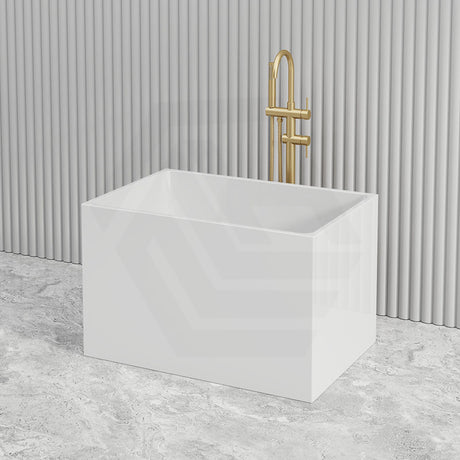
If you are considering a larger bathroom layout — especially when installing a corner bath or corner bathtub — take extra care when designing your ventilation placement. A bathtub installation of this kind involves increased wet areas, meaning one ceiling-mounted fan near the shower may not be sufficient to ensure efficient moisture movement across the entire bathroom. Talk through ventilation requirements with a licensed electrician before the bathroom is built.
References
National Construction Code 2022, ABCB Housing Provisions, Part 10.8 Condensation Management
National Construction Code 2022, ABCB Housing Provisions, Part 10.2 Wet Areas