

27 May, 2026
Shower Screen Ideas for Australian Bathrooms
Discover shower screen ideas for your Aussie bathroom reno. Compare framed, semi-frameless and frameless styles to find your perfect fit.

Video Credit: Innovate Building Solutions
Your shower screen? Honestly, it's one of the biggest calls you'll make in the whole reno. Tiles, tapware, finish colours — I've agonised over all of it for weeks, just like most renovators do, and the shower screen? Tacked on at the end as a total afterthought. Don't do that. Structural, practical, and — yeah — a design decision too. All three. Full reno or just swapping out that tired old framed screen — here's what to get across before you start.
Shower Screen Types You'll Find in Australia
Most people are genuinely surprised — there are far more shower screen configurations out there than you'd expect. Budget-wise, framed screens win — aluminium runs around all four sides of the glass. Solid, low-maintenance, and still the default pick for family bathrooms where price and durability are the priority. Semi-frameless is the middle-ground option — outer-edge framing only on sliding doors, which gives a cleaner finish than a fully framed screen but won't hit your wallet like a full frameless setup. Thicker glass and stripped-back hardware — pivot doors, hinged doors, fixed walk-in panels — that's the fully frameless look, and it's what's been all over The Block for years.
The fixed walk-in panel deserves its own mention — no door whatsoever — mostly because the terminology around it trips people up constantly. One fixed panel, open entry, no door — that's a walk-in shower screen. You step straight in. A larger recess is where these work best — the layout does the water-containment job instead of a swinging door. Two panels in an L-shape for a corner screen, or glass fixed between two parallel walls for a wall-to-wall screen — those round out the main options.
Got a shower-over-bath setup? Over bath shower screens are their own separate category — worth a look.

Glass Types, Thickness, and WaterMark Compliance
Configuration locked in? Now the glass itself needs a decision — and here in Australia, that means weighing up performance specs alongside mandatory compliance requirements.
AS/NZS 2208:1996 safety glazing requirements apply to every piece of shower screen glass sold in Australia — full stop, no exceptions. Any supplier worth their salt will bring this up before you even have to ask. Any hardware component connected to plumbing — channels, hinges, seals — has to carry WaterMark certification (WaterMark Certification Scheme). Miss WaterMark certification and the local plumbing authority can reject the product outright — not a fun discovery halfway through an install.
Of all the specs, glass thickness is the one that blindsides buyers most. Two standard thicknesses cover the Australian market for tempered safety glass: 6mm and 10mm. Across budget and mid-range screens, 6mm glass is the dominant choice — lighter, widely available, and fully compliant for most residential installs. That premium, weighty feel? That's 10mm glass — just make sure your wall structure can take the extra load before committing. Covey and Fienza both carry screens in either thickness — entry-level options start from around $130, with premium frameless configurations reaching $2,550. Nano coating is an optional add-on — fewer water marks, much easier to clean — but it doesn't come standard on every screen, so ask the supplier upfront.

Size, Framing, and What to Know Before Installation
Getting compliant glass is only part of the battle — knowing how to get the dimensions right and what your walls will support determines whether the installation goes smoothly or requires costly rectification.
Standard shower screen heights are typically 2000mm, with some models reaching 2100mm. For recesses and alcoves, measure the width at the top, centre and base of the wall to confirm plumb alignment, as even a small variance affects the fit. Ordering without accurate measurement is a common mistake — screens can arrive 20mm too small as a result. Pivot and hinged screens require a minimum clear swing arc of 600mm from the door to a vanity, toilet, or wall; sliding screens require sufficient space for the panel to travel.
A glazier or building professional should confirm a suitable fixing method based on the substrate — solid masonry versus lightweight wall construction — before the shower screen order is finalised. The NCC 2022 ABCB Housing Provisions mandate that shower walls be waterproofed to no less than 1800mm above the finished floor substrate, along with flashing at all wall-to-floor junctions with a minimum horizontal leg of 40mm. Waterproofing must be applied before tiling and must only be undertaken by a licensed plumber. Waterproofing is not a DIY task in any state or territory due to plumbing licensing legislation.

What Kind of Shower Screen Will Suit Your Bathroom Layout?
With sizing and installation requirements in mind, next you match a shower screen to your bathroom layout.
Most small ensuites, around 3.5 square metres, are ideal for a frameless pivot screen or walk-in panel: simple to enter, no floor space lost to a swinging door, and no track to clean. Semi-frameless sliding screens suit a typical alcove enclosure in a family bathroom: practical, accessible and less costly than a frameless alternative.
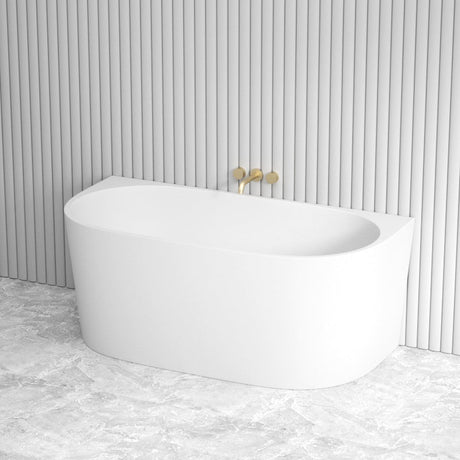
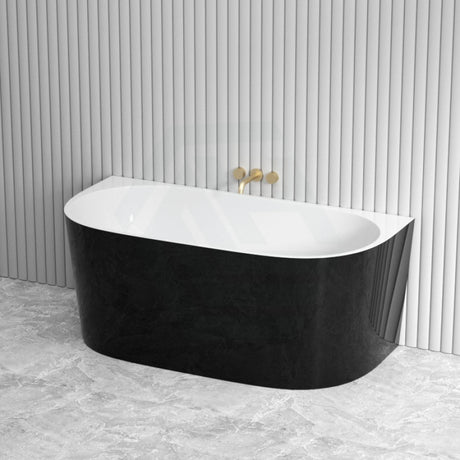
over bath shower screens are perfect where there is no space for a separate stand-alone enclosure: they can fold away to clear space when in the bath and will work well with a back to wall bath, which provides a suitable profile for the screen to butt against. Be sure to check with your plumber about shower outlet location. Open-plan wet rooms are a great option for bathrooms 10 square metres and above; beautiful designs but greater waterproofing and installation costs.

What's a Realistic Budget and What Are People Doing Wrong?
As a rough guide for materials and hardware only in Australia: a framed shower screen costs between $300 and $700, semi-frameless sliding screens range from $600 to $1,200, and frameless pivot or walk-in screens are $900 to $2,500 depending on glass thickness and hardware.
Expect to pay $150 to $400 in labour — where you land in that range comes down to job complexity and whether any waterproofing needs fixing. A standard alcove or pivot screen? A tradie will usually wrap it up in two to four hours.
Common mistakes to steer clear of:
The screen turns up 20mm short because someone only measured the recess once.
You order from an online supplier and forget to check whether the product has WaterMark certification.
Ordering your shower screen before finalising the bathroom layout — particularly where there is a pivot door. If a wall hung vanity is positioned too close to the pivot door, the door will not open fully. Draw up a rough scale plan to confirm you have 600mm of clear swing arc before ordering.
References
WaterMark Certification Scheme, Australian Building Codes Board
National Construction Code 2022, ABCB Housing Provisions, Part 10.2 Wet Areas
AS 3740:2021 Waterproofing of Domestic Wet Areas, Standards Australia
State plumbing licensing legislation (VBA Victoria; Fair Trading NSW; QBCC Queensland; Building Practitioners Board WA; CBOS Tasmania; ACTPLA ACT; Building & Energy SA; ABPB NT)