

26 May, 2026
Shower Ideas for Australian Bathrooms
Explore shower ideas suited to Australian bathrooms. Find layouts and designs for ensuites, family bathrooms and everything in between.

The bathroom is one of the rooms that really does set the tone for how we feel first thing in the morning, and last thing at night. And of that room, the shower is the main event. Be it a compact ensuite in a Melbourne apartment or a roomy main bathroom in a family home out in Brisbane, a well-designed shower can make a room feel deliberate, attractive, and a pleasure to use. So if you've been collecting shower ideas for a while, now is the time to finally take the plunge.
Popular Shower Layouts for Australian Bathrooms
What you end up with will largely come down to what you're starting with in terms of layout, and that's okay. There are only a handful of standard shapes in Australian bathrooms, and each of them has a preferred shower layout. The alcove shower is by far the most typical: this type of shower lives between three walls and is the best fit if the room's plumbing rough-in is already locked in. In most cases, an alcove shower will take a 900×900 mm square shower base. But if the positioning of the alcove walls allows it, a 1200×900 mm footprint is well worth it.
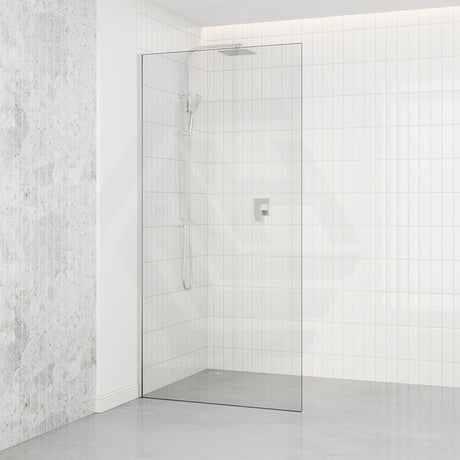
An ideal choice for bathrooms where an alcove configuration is simply not viable is the corner shower. Think of this as the unsung hero: it slots in discreetly, maximises the available floor space and works well with square or rectangular rooms. Walk-in showers (referring to walk-in designs with an open entry and no door) are also on the rise in larger bathrooms, particularly if your renovation plan includes a hobless, flush-to-floor finish. The last layout option to consider is a wet room, where the entire bathroom floor is waterproofed. While these are less common, wet room bathrooms are becoming more and more in demand as contemporary renovations are designed to be spa-like in result.
Don't forget the door swing. A hinged shower screen door needs a minimum 600 mm clear swing space, which is worth factoring into your planning process early, especially for smaller ensuites.

Shower Materials: Tiles, Screens and Walls
Once you've found a layout to fit with your existing floor plan, you can turn your attention to what a shower's composition might look like. The materials you use will affect how much maintenance it requires, whether the glass meets the correct safety standards and how much money you'll ultimately have to spend.
Porcelain tile is the most long-lasting material to use in shower walls and floors. It is more impermeable than ceramic and handles moisture very well, and can be sourced in larger-format sizes such as 600×1200 mm, which are very popular in Australian bathrooms today. For shower floors in particular, always stick to a matte finish tile that complies with AS 4586 slip resistance requirements — a P4 or P5 rating is appropriate for wet shower floors. Polished tiles are to be used on walls only.
Another option to investigate is solid-surface wall panels if you want to cut down on grout as much as possible. They offer a quick install, are easy to wipe clean, and have improved a lot in their colour and texture range over recent years. However, quality large-format porcelain usually remains the go-to option for medium and high-end projects.
For shower screens, you usually have framed, semi-frameless or frameless profiles to choose from. Frameless screens are most typically 10 mm tempered safety glass compliant with AS/NZS 2208 — provide the most refined visual result for a modern bathroom. Framed screens generally use thinner 6 mm glass and are a lower price point. A nano coating on the glass can also help reduce maintenance, as it causes water and minerals to bead rather than stick, leaving the screen cleaner with less effort.

Sizing and Waterproofing Requirements in Australia
Picking the best products and materials for your bathroom is only half the story. How you install those materials, and whether the underlying waterproofing meets Australian standards, will be the deciding factor as to whether you have a dry, leak-free bathroom for decades, or face costly damage within a few years.
Under the National Construction Code and AS 3740:2021, shower walls are required to be waterproofed to a 1800 mm minimum waterproofing height (NCC 2022, ABCB Housing Provisions, Part 10.2) above the floor substrate. There is also a requirement for the floor-to-wall junction to be flashed with a minimum 40 mm horizontal flashing leg (AS 3740:2021), with full shower floor waterproofing applied, including any hob or floor transition.
Hobless shower floors have been a very popular style recently for good reason. The flush transition from bathroom into the shower looks great. But a hobless shower requires more precise fall-to-waste gradient and membrane installation to ensure a watertight result. Getting this wrong is one of the leading causes of shower leaks and water damage in Australian homes.
Waterproofing membranes require a curing period of 24 to 48 hours before tiling can begin — never the other way around. On top of that, every Australian state and territory has strict rules about who can do this work: There is simply no place to cut corners here — get the wrong person on the job and you could be left with an uncertified installation and a very expensive problem down the track.

Shower Upgrade Considerations and Your Whole Bathroom
Once the design and compliance groundwork is understood, it's worth looking at the broader bathroom picture. Should your bathroom feature a built-in tub, over bath shower screens are a practical option that retains the bath as a shower space without requiring a completely separate enclosure — ideal when floor space is at a premium.
A wall hung vanity paired with your shower upgrade can create a beautifully open look, with tiles running continuously across the floor and making even smaller bathrooms appear much larger. A clearance of at least 150 mm beneath the vanity unit makes cleaning easier and reinforces that clean, light aesthetic. Ensure your walls are structurally sound to take the weight of a wall mounted unit prior to installation by your tradie.
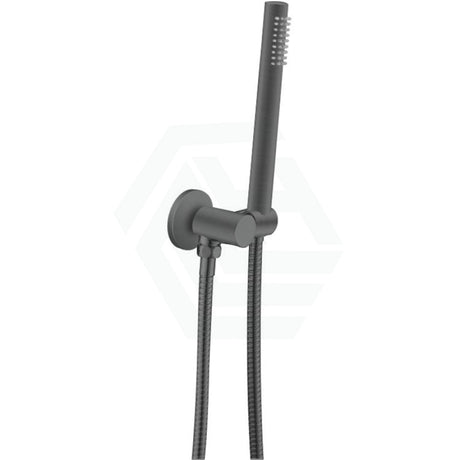
Coordinating tapware finishes can take a good-looking bathroom design to the next level. A brushed gunmetal shower head and mixer matched to the same finish at the vanity brings a cohesive, considered aesthetic to the whole room. Meir and Bella Vista are among the brands where tapware finishes are consistent across ranges, making it straightforward to coordinate across the board.

Budget Breakdown: What Australian Shower Renovations Actually Cost
Knowing what works with what is useful, but a realistic cost breakdown is what turns a wish list into an actual renovation plan. Special order tiles and screens typically carry a lead time of two or three weeks, so factor that into your scheduling early. A mid-range renovation will generally run between five and ten working days once trades are on site.
A budget-tier shower renovation — new alcove screen, basic tiling, standard showerhead and mixer, and licensed waterproofing — typically falls between $3,000 and $6,000 for the shower zone alone. A mid-range renovation, incorporating frameless screens, quality porcelain tiles, and a premium tapware set, generally runs from $6,000 to $12,000. $12,000+ premium shower renovations depend on size and complexity, and typically include large-format tiles, hobless wet room waterproofing and designer fixtures.
Homeowners often underestimate costs. Tile removal, rectification of existing waterproofing, and plumbing re-work can all blow a budget, so allow at least 15 per cent of your total budget as a contingency. Also, if a licensed plumber and tiler are already on site, it may be worth upgrading your bathroom with a back to wall toilet or new vanity at the same time. This saves on call-out costs and makes refreshing your bathroom considerably more economical than completing each job individually.
Good shower ideas can only take you so far without careful planning to support them. Get your layout, compliance and budget right, and you'll have a bathroom that feels like a retreat every single day.
References
National Construction Code 2022, ABCB Housing Provisions, Part 10.2 Wet Areas
AS 3740:2021 Waterproofing of Domestic Wet Areas, Standards Australia
State plumbing licensing legislation (VBA Victoria; Fair Trading NSW; QBCC Queensland; Building Practitioners Board WA; CBOS Tasmania; ACTPLA ACT; Building & Energy SA; ABPB NT)
HIA (Housing Industry Association) — Bathroom Renovation Cost Guide 2025