20 May, 2026
Walk in Shower Ideas: Modern Designs for Every Bathroom
Explore walk in shower ideas for Australian bathrooms. Get expert sizing, drainage and modern design tips to plan your renovation right.

Video Credit: Decor Home Ideas
What Makes a Walk In Shower Work: Layout and Sizing Essentials
The floor plan is the first thing you need to consider. Before even starting to pick out the tiles or type of glass, the size and fall of the walk in shower has to be finalised; if not, a bathroom, no matter how pretty, will not work.
A walk in shower floor with the minimum size of 900 × 900 mm will be fine, however I found that 1200 × 900 mm is the practical minimum size needed to shower comfortably, from both showroom installations and private projects. Anything under 900 mm square feels restrictive and water may not contain within the open shower configuration.
The fall for drainage is essential because the shower floor requires a gradient down to the waste outlet. Typically, this will need a fall of 1:80 to 1:60, which will not work with just tile adhesive over a flat substrate. A linear waste works well with large-format tiles because they can fall to one side, rather than a four-directional fall from a point waste in the centre.
Where the shower reno most often fails is the depth of waterproofing. Under NCC 2022, shower walls must be waterproofed to a minimum of 1800 mm (NCC 2022, ABCB Housing Provisions, Part 10.2) above the floor substrate, with the wall-to-floor junction flashing extending a horizontal leg of at least 40 mm. That is just the minimum, so it is normally better to go further, especially with high-use showers or a wet room. Waterproofing membrane application is licensed work in most Australian states, and the membrane must fully cure before tiling — typically 24 to 72 hours.
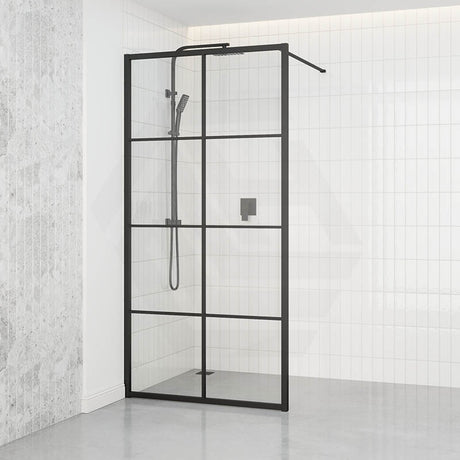
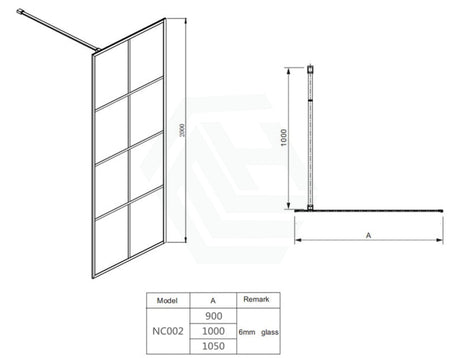
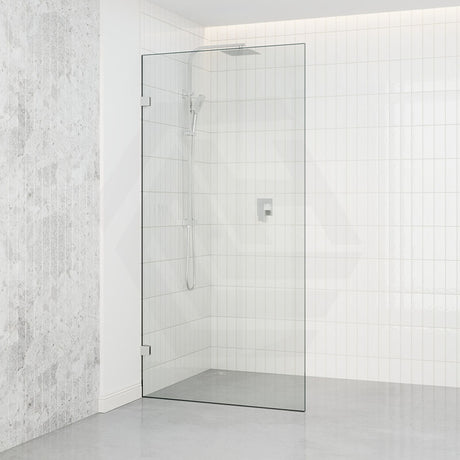
Another structural aspect to decide is the entry type. A doorless open entry requires a minimum depth of 1000 mm to contain spray effectively. A single fixed glass panel — the most common option in Australian bathrooms — can be shallower in depth and still provide the same open, frameless aesthetic most clients are seeking.

Walk In Shower Design Styles and Materials
Once you have confirmed the structure, fall, and size of the shower, you then need to consider the surface materials and type of glass, which will influence long-term performance and upfront cost.
Slip resistance is not an aesthetic selection — it is a specification requirement. Domestic wet area floors must comply with a minimum P4 rating under AS 4586, with P5 recommended for aged care or accessibility-focused designs. The best tile choice for a shower floor is textured porcelain in a 300 × 600 mm format. It meets slip requirements, is widely available in the Australian market at approximately $20–$60 per m², and carries a lower grout maintenance burden than smaller mosaic formats. Large-format porcelain at 600 × 1200 mm (AS 3740:2021) is increasingly popular on shower walls — it reduces grout lines dramatically and reads as very refined — but it demands a perfectly flat substrate and skilled installation to AS 3740:2021.
If you want something with more texture and character, natural stone is stunning and I have used it in a number of bathrooms for different clients, though I always remind them they will need to keep re-sealing it, and it is a cold surface underfoot in winter. Honed travertine or limestone can be very porous and cold without regular re-sealing.
For glass panels, 10 mm tempered safety glass is the premium standard — compliant with AS/NZS 2208 — and noticeably more substantial than the 8 mm option. Frameless panels with a nano coating are worth the additional cost; the coating significantly reduces water spotting and simplifies weekly cleaning. Matte black remains the safest hardware specification for the Australian market, as it works with most tile palettes. Brushed gold and brushed nickel are also popular as warm metallic alternatives. Fienza and Meir both offer consistent hardware ranges in all three finishes, which matters when coordinating shower mixers, rails, and wall accessories across a bathroom.

Wet Room Bathrooms: When a Fully Open Layout Makes Sense
A wet room bathroom takes the walk in shower concept further. It suits situations where no glass partition is wanted at all, or where a fully level-access space is required.
A wet room bathroom is a completely level-access bathroom, fully waterproofed to both walls and floor, with the entire floor area drained. This requires a broader scope of works than a standard walk in shower, including additional waterproofing labour and a linear drain to manage the full floor area. Any windowless wet room bathroom configuration must be mechanically exhausted at a minimum rate of 25 L/s under NCC 2022, and all electrical products — heated towel rails, exhaust fans, LED mirror lights — must comply with AS/NZS 3000:2018 for the relevant bathroom zones. All electrical installations must be carried out by a licensed electrician in most Australian states.
A wet room bathroom works particularly well in smaller bathrooms where glass can feel confining, and it is the ideal solution where a fully accessible design is required, as it eliminates any shower hob or step-down that could present a trip hazard.

Shower Over Bath Ideas: Combining Two Functions in One Space
Not every bathroom has the floor space or budget for a dedicated walk in shower. Shower over bath ideas allow two functions to share an existing bath footprint.
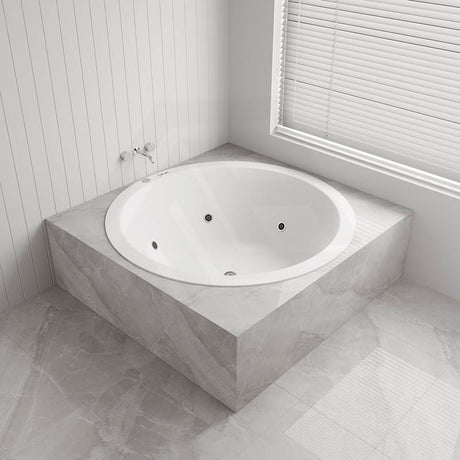
Start with the bath itself. A shower over bath setup requires a minimum bath length of 1500 mm. A standard 1675 mm or 1700 mm bath suits this configuration well. Confirm that the bath shell can carry the weight of a screen — an acrylic shell responds differently to this loading than a pressed steel or cast iron shell.
Screen style depends on bathroom width. A fixed-panel screen suits a bathroom of at least 1500 mm in width — it is tidy, has no joints that can leak, and contains water effectively. In a narrower bathroom, a hinged or bi-fold screen is preferable, as it folds back when the bath is used without the shower. Broadway offers a drop-in bath range at mid-range specification, priced from $312–$1,184, which suits both configurations. Over bath shower screens must always be measured and fitted professionally — this is not a DIY project in most Australian states. Beyond the screen itself, there are plumbing compliance requirements to keep in mind as well.
Under AS/NZS 3500.4, the hot water temperature at the outlet must not exceed 50°C (AS/NZS 3500.4). This is a mandatory requirement for any shower over bath setup, and is especially important where the shower will be used by young children or elderly adults.

Walk In Shower Ideas for Small and Large Bathrooms
The total size of your bathroom directly shapes which walk in shower ideas and bathroom design ideas are practical. Small ensuite designs work differently from larger family bathrooms.
In bathrooms under 4 m², the priority is keeping the shower footprint as compact as possible. A corner shower with a single fixed 10 mm panel maintains an uncluttered layout without wasting space on a swinging door. A frameless corner panel from Covey starts from $130 and delivers a seamless finish. Use large-format tiles laid vertically in a stack bond to help the space read larger. Where possible, a recessed niche is preferable to a projecting shelf — a 300 × 600 mm niche set between studs provides storage without reducing the shower's usable width. If the bathroom already contains a built in bath, over bath shower screens are a practical alternative to fitting a dedicated walk in shower. Where a custom-built bathtub is not feasible, a well-chosen built bathtub from a quality range can suit the same compact footprint.
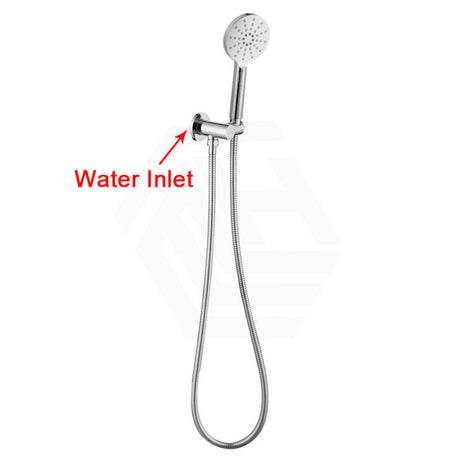
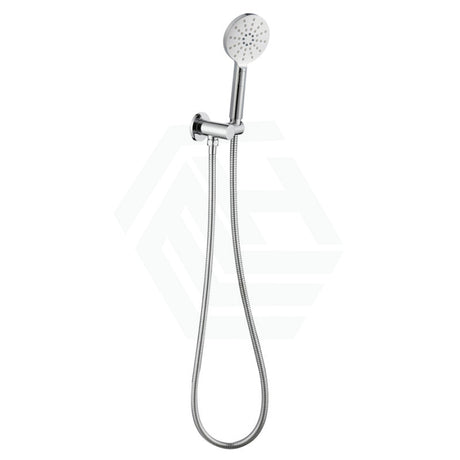
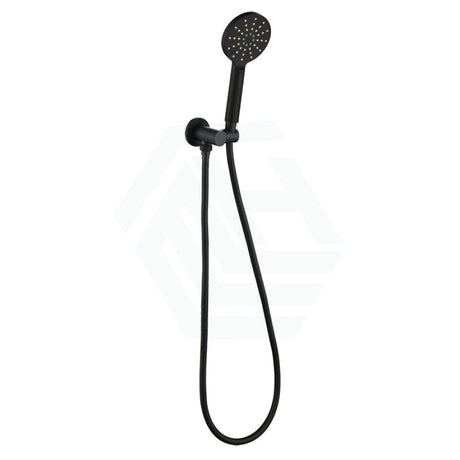
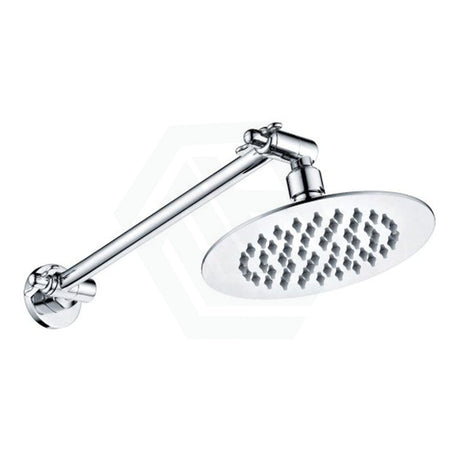
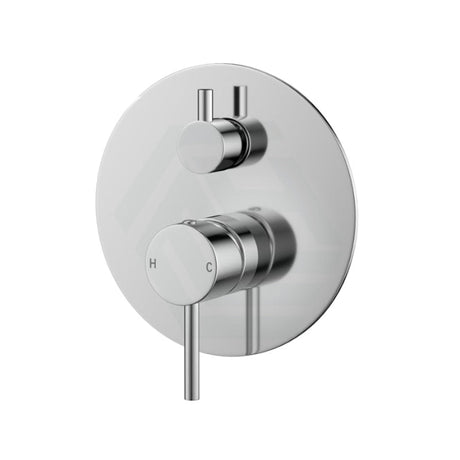
For bathrooms of 6 m² or larger, the focus shifts to comfort and openness. A double-entry configuration — open at both ends — requires no screen at all, provided the shower depth is at least 1200 mm from wall to wall. Dual showerheads, one fixed overhead and one handheld on a hose, allow flexible use and can be controlled via a wall mixer with diverter, available from Fienza or Aquaperla in the $83–$758 range. A tiled built-in bench is another option for larger showers, provided it is built over a structural substrate such as fibre cement sheet — it is particularly useful in a family bathroom where children need somewhere to sit while water temperature is adjusted.
Regardless of bathroom size, layout and sizing decisions for any walk in shower must be resolved before selecting products or setting a budget. These bathroom design ideas only work when the fundamentals are right from the start.
References
National Construction Code 2022, ABCB Housing Provisions, Part 10.2 Wet Areas
AS 3740:2021 Waterproofing of Domestic Wet Areas, Standards Australia
AS/NZS 3000:2018 Electrical Installations (Wiring Rules), Standards Australia
AS/NZS 3500.4 Plumbing and Drainage — Heated Water Services, Standards Australia