

06 May, 2026
Minimalist Bathroom Design: Clean Lines with a Japanese Soaking Tub
Minimalist bathroom design with clean lines and a Japanese soaking tub: serene wet room layouts, hidden storage and natural materials. Create a calm, uncluttered space for Australian homes.

What Makes a Bathroom Truly Minimalist
It would be naive to say that creating a minimalist bathroom design simply involves taking things out. More realistically, it is an exercise in paring everything back to the most functional, beautiful and considered space you are able to achieve. Having worked for many years in the display home and housing industry, I have seen that there is some shared DNA among minimalist bathrooms: less hardware and fixtures, storage hidden behind walls, a limited choice of colour and materials used in the room, and a clear sight-line to view the whole room from the doorway.
Of course, colour and materials is where most people make the biggest error. The idea is to use surfaces that recede and do not clash with each other, such as large-format matte porcelain, honed stone or the latest stone-look porcelain, and even a timber-look vinyl flooring to add some warmth to the space. Matt black tapware finishes is the most common choice at over 1,600 product options now available in the Australian market, giving you a strong feature against a neutral backdrop for any of the hardware, without the high maintenance requirements found with a polished chrome finish. You can even use brushed nickel or gunmetal grey and this works just as well.
My point is, concealed storage is a must. Any clutter sitting on an open surface is the quickest way to lose a minimalist bathroom design.

Planning Your Bathroom Floor Plan and Measurements
Now that we have gone through the main elements, we should talk about your bathroom floor plan and bathroom measurements, so that you have a good sense of what you can achieve in your home. Again, if your space is not correctly planned for each fixture to have clear space, then a minimalist bathroom will not work.
The bathroom floor plan will guide your choices as your design starts with the configuration and then moves to the size and measurements. If you have a very narrow room, a single-wall design would work really well, while an L-shaped layout may see a soaking tub located at a perpendicular angle to the vanity wall. A wet room design that does not use a screen or shower tray, just the gradient of the floor to direct the water flow, is beautifully suited to minimalist design, and is gaining huge popularity in new builds across Australia.
Bathroom measurements are the next consideration. Under the NCC 2022 Livable Housing provisions, new Class 1a dwellings require a minimum 820mm clear door opening (NCC 2022, ABCB Housing Provisions, Part 12.2) to bathrooms and a 900mm × 1200mm clear zone in front of the toilet. Outside of livable housing requirements, for example, I would never design a bathroom with less than 900mm of circulation clearance beside the tub. Plan to keep a minimum 150mm between the tub edge and any adjacent wall; 200mm is more comfortable. Too often people make the mistake of placing the tub up against the longest wall and not leaving any space to reach the taps from the other side.
Wall-hung vanities are also a good idea to specify from the outset. The raised visual floor plane, easier floor cleaning, and huge impact on a sense of light and open unclutteredness of space in your bathroom is well worth adding to your minimalist project. The Lukka range has genuinely minimalist cabinetry proportions that suit this application well.

Choosing and Sizing a Japanese Soaking Tub
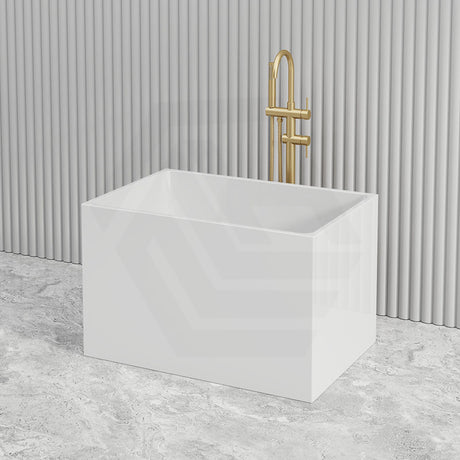
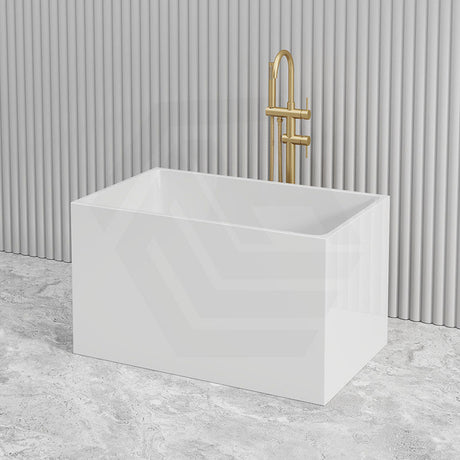
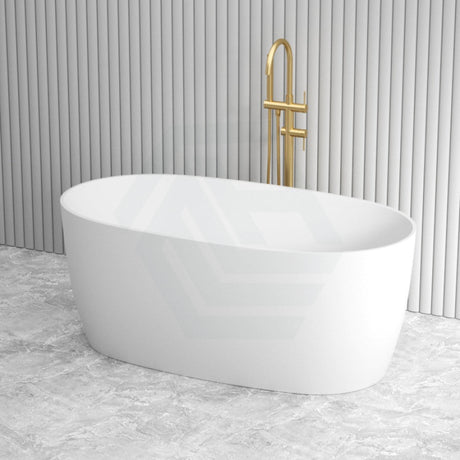
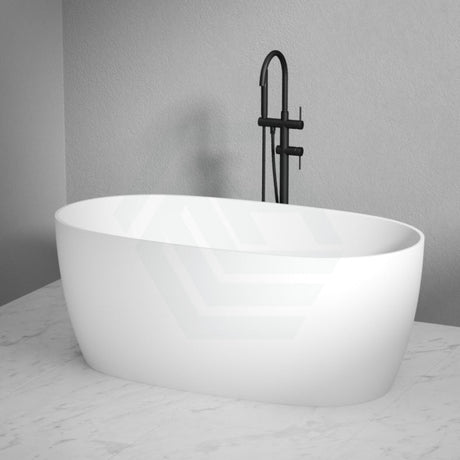
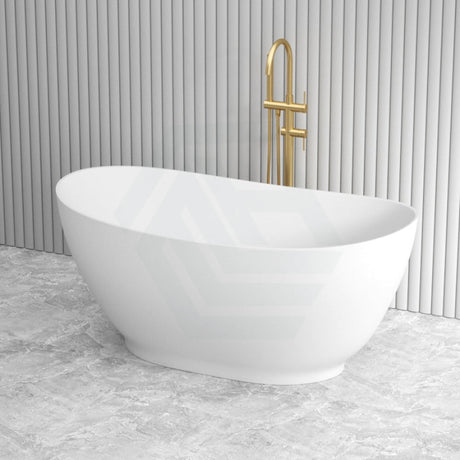
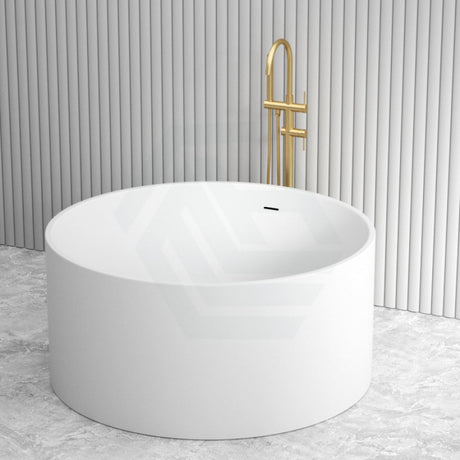
With a floor plan allocated, you are ready to start thinking about sizing and specifying your soaking tub — and a Japanese ofuro has completely different dimensions and structural requirements to a standard Australian bath. The ofuro is deep, typically 550–700mm internal depth compared with approximately 400mm for a standard acrylic bath, but is relatively compact externally at 700–900mm wide and 700–1000mm long, compared to a standard 1700mm Australian bath. The smaller floor footprint is a positive in a minimalist bathroom layout, but the weight is not. A stone resin ofuro-style tub filled with water can reach 400kg or more, so always consult a structural engineer before specifying one in a first-floor bathroom.
Hinoki wood is the traditional Japanese ofuro material and is beautiful, warm and aromatic, and well thought through, but needs regular oiling and to be properly drained and dried after each use. Acrylic or stone resin baths are a more practical and low-maintenance option for Australian bathrooms and still offer the same depth and proportions. Entry-level acrylic freestanding models start from $878, with stone resin pricing higher.
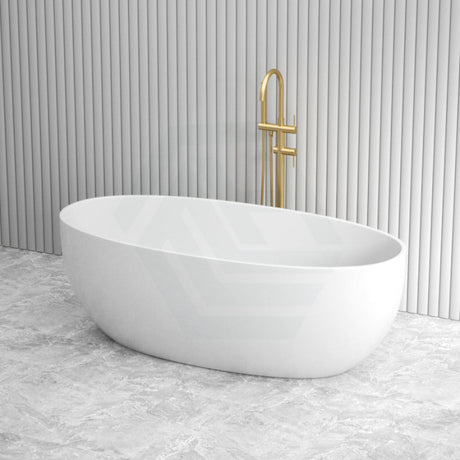
Ensure the walls next to the tub are waterproofed 150mm above the tub rim (NCC 2022, ABCB Housing Provisions, Part 10.2) per NCC 2022, and any tub installed back-to-wall is not placed in until waterproofing is complete — a licensed waterproofer is required for this work. Once waterproofing is signed off, a freestanding soaking tub or soaking tub stand alone configuration is particularly appropriate in a minimalist bathroom: you are reading the form as a sculpture, and the open floor around it is in keeping with that uncluttered aesthetic.

Fixtures, Fittings, and the Case for Japanese Toilets
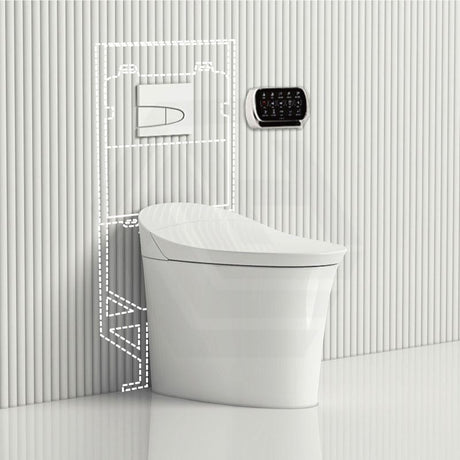
With a tub in mind, the remaining fixtures should still be selected and specified with a minimalist approach: compact, wall-hung and WaterMark compliant to keep the space light, open and practical. In the minimalist bathroom, the only logical toilet option is a wall-hung suite. Wall-hung toilets gain approximately 150mm floor depth over a standard floor-mounted suite, and with floor space visible below, they keep your bathroom feeling light and open. Wall-hung toilet installations require in-wall cistern systems to conceal the plumbing: Geberit's Sigma8 in-wall cisterns are well regarded and widely specified by Australian plumbers for bathroom projects. Ensure the toilet pan and cistern are specified to be compatible.
Japanese toilets: the combined bidet bowls with heated seats, auto-flush and remote or app control — are the next stage of minimalism. They remove the need for a separate standalone bidet, therefore saving a good chunk of space in a compact bathroom layout. The Poseidon and Kohler ranges both carry WaterMark certification (WaterMark Certification Scheme), which is mandatory for all plumbing and drainage products in Australia. It is worth remembering that 1 May 2026 is the WaterMark lead-free deadline for all scheduled products — an important detail to confirm if specifying at the top end.
For tapware, I opt for a recessed niche rather than a freestanding shelf, and I fit a wall mixer with a separate bath spout, dress kit and body system, so the finish can be changed after tiling without replumbing — something I specify on nearly every project.

Cheap Bathroom Renovation Strategies for a Minimalist Look
If you know exactly which fixtures you need, you can budget accordingly. As an added bonus, the minimalist brief — lower fixture count and simple surface lines — has cost-saving options that are not present when specifying a more complex finish, and the numbers back that up.
The HIA Bathroom Renovation Cost Guide 2025 estimates a small ensuite renovation at $10,000–$25,000 (HIA Bathroom Renovation Cost Guide 2025) (and higher in Sydney and Melbourne), but it is entirely possible to achieve a cheap bathroom renovation in minimalist style for $5,000–$8,000 if you have thought through where to splurge and where to save.
Resurface the tile if it is sound and not cracked or loose. Professional tile resurfacing costs $800–$2,000, compared with $3,500–$6,000 for a full retile.
Where tile resurfacing is not an option, go for large-format porcelain tile — say 600×1200mm. Fewer grout lines mean less grouting labour and material. Yes, the per-square-metre tile cost is higher, but faster installation makes up for it.
Wall-hung vanities, even in PVC construction, are available from as little as $500. In a minimalist bathroom, you may need only one towel rail and a wall niche, meaning an even lower fixture count.
You can keep a cheap bathroom renovation low-cost by going for a soaking tub stand alone set-up. All you need is a floor waste and wall-mounted bath mixer; no need to tile around an alcove or build a hob, and no timber framing that needs to be enclosed. There are significant labour savings here.
Tapware swapping and repainting an existing vanity are easily DIY tasks. Each state and territory still requires licensed plumbers for all plumbing connections, and licensed electricians for hardwired items such as an LED mirror and heated towel rails. Note that waterproofing requires a minimum 72 hours cure time before tiling can begin — do not allow any trade to skip this step. Getting the correct budget for trades versus DIY is only possible with a good plan, and the plan begins with getting the right bathroom floor plan and bathroom measurements from the start.
References
National Construction Code 2022, ABCB Housing Provisions, Part 12.2 Livable Housing
National Construction Code 2022, ABCB Housing Provisions, Part 10.2 Wet Areas
WaterMark Certification Scheme, Australian Building Codes Board
HIA (Housing Industry Association) — Bathroom Renovation Cost Guide 2025