06 May, 2026
Bathroom Floor Plan: Modern Ensuite Design with a Freestanding Bath
Modern ensuite bathroom floor plan with freestanding bath: smart wet-dry zone separation, optimal layouts and clearances. Design a functional, luxurious space for your Australian home.

What Makes a Modern Ensuite Bathroom Floor Plan Work
The layout comes first. Forget about tiles and finishes for now, just focus on a solid bathroom floor plan, otherwise nothing else is going to be able to make up for a frustrating daily routine.
We always come back to the same rule when designing an ensuite, separate the wet zone (shower, bath) from the dry (vanity, WC, entry). Having these two areas overlapping results in a messy bathroom that will be that much harder to keep clean. Also, you need to make sure you have a nice flow from the door and to the other bathroom fixtures. You do not want any traffic conflicts, they have to be obvious and clear, and be roomy enough to use without any obstruction. The one planning mistake we see quite often when creating bathroom layouts for display homes is the shower door swinging directly across the circulation path. Every single time it becomes a conflict. You have also got to think about the sight lines through the bathroom. What can be seen when you first walk in the room can make or break the mood of the bathroom floor plan, so consider this carefully.

Sizing and Layout Considerations for Ensuite Bathrooms
To give you some actual numbers, the bathroom floor plans that we design and build vary significantly. A very small ensuite will be between 3.5 to 5 square metres, a standard ensuite is between 5 and 8 square metres, and a large ensuite that has space for a freestanding bath needs to be at least 8 to 12 square metres. The Livable Housing Design provisions within NCC 2022 require an 820mm clear door opening (NCC 2022, ABCB Housing Provisions, Part 12.2) and a 900mm × 1200mm clear zone in front of the toilet pan in Class 1a dwellings from October 2023; however, this is a good guide anyway even if this requirement does not apply to your design. Allow at least 600mm to the side of the toilet pan, 900mm minimum width inside the shower, and a 1000mm clear space at the vanity. Again, this may appear overly generous in theory but becomes essential when you are using these spaces.
A rectangular ensuite works very well in a galley style, with the shower at one end, and a vanity unit spanning the entire length of the other wall. If you have an L-shaped ensuite, you have more freedom to locate a freestanding bath without completely dominating the room. Ventilation is another element that's easy to overlook when you're focused on layout, so make sure it's on your checklist. You'll require a minimum 25 litres per second (NCC 2022, ABCB Housing Provisions, Part 10.8) mechanical exhaust in a wet area if there's no natural ventilation available, one of the design oversights we see most frequently with ensuites that are otherwise designed beautifully. Once you have the room measurements and fixture clearances, you can begin to add the elements that take you from a functional ensuite to a truly luxurious ensuite, with 2025 having several definite trends in this space.

Key Features of Luxury Bathroom Design in 2025
It is quality specification, not ornamentation, which is creating real traction in the bathroom trends 2025 landscape, as opposed to those with purely instagrammable appeal. Heated flooring, frameless shower screens, wall-hung toilets with concealed cisterns, and built-in niches are those that clients tend to inquire about most. All add resale value in Australia.
Hydronic is an option most relevant for new builds where the slab can be designed around it, and the most accessible choice for renovations is electric underfloor heating. Frameless walk-in shower screens in 10mm tempered glass conforming to AS/NZS 2208 are the standard for modern bathroom design at this level. A framed screen works against the clean spatial quality these ensuites aspire to deliver. Wall-hung vanities from Aulic and Lukka, both constructed of quality plywood, visually reveal more floor space to make the room feel larger. Combine this with a wall-hung toilet with a Geberit concealed cistern within a false wall, and you are again able to reveal the majority of the floor plane. A key characteristic of luxury bathroom design is less visual clutter — quality specification and a colour palette that flows throughout the bathroom from floor to ceiling.

Placing a Freestanding Bath in Your Floor Plan
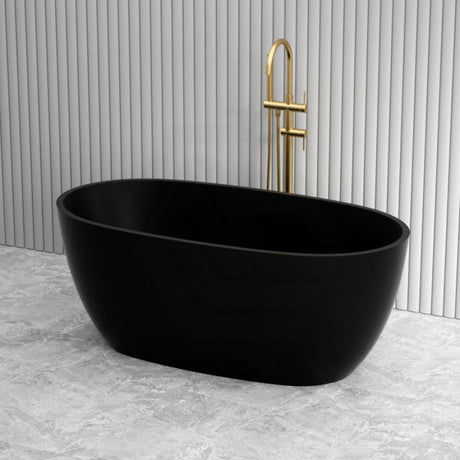
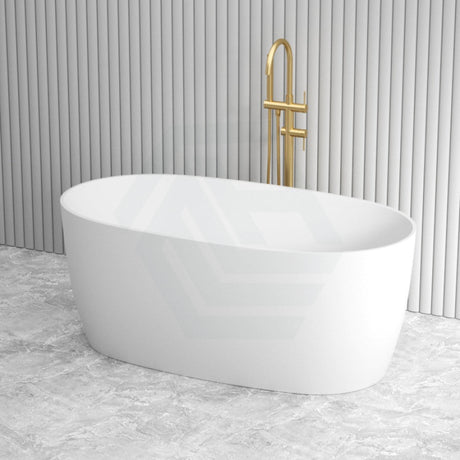
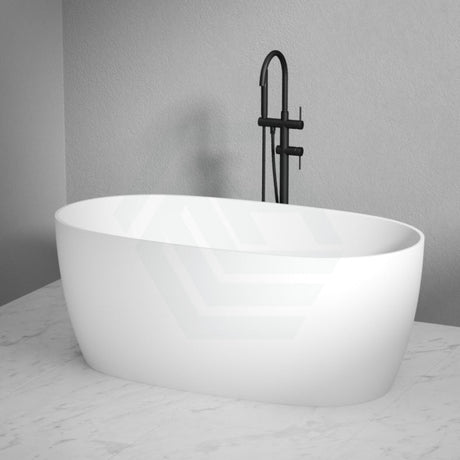
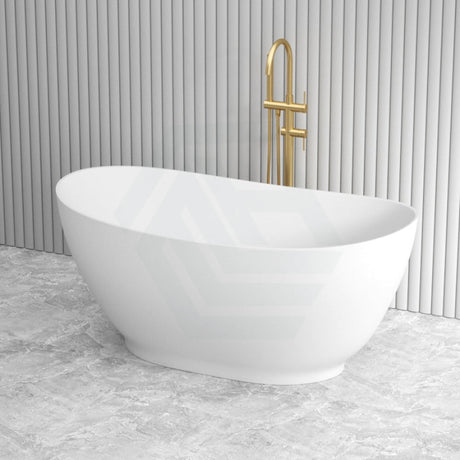
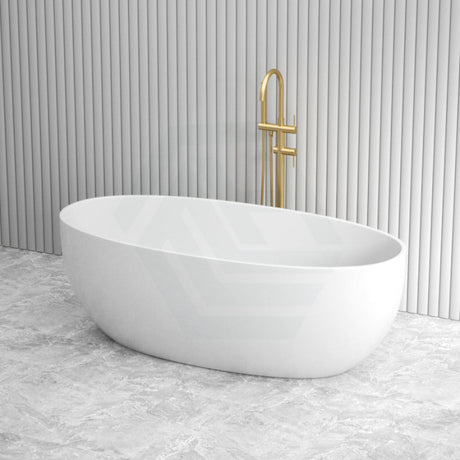
The freestanding bath is probably one of the largest spatial features on the bathroom floor plan and least flexible once the rough-in is completed. A 1700 freestanding bath is a very common option in an ensuite and most main bathrooms. It will require 200 to 300mm of clear floor space from the bath in all four directions. Plan for a floor area of 2.1 metres by 1.0 metre to allow for the bath and its surround, prior to making decisions on the floor waste and bath mixer rough-in.
The floor waste will need to be located centrally to the bath, or adjacent to the bath waste outlet of the free standing bath 1700. It will be important to engage your licensed plumber at the rough-in stage with the specific bath model selected so the waste can be located in the correct position. A floor-mounted bath mixer requires water supply rough-in approximately 150 to 200mm off the centreline of the bath; this is best checked against the bath specification sheet. You can alternatively choose a wall spout, but framing needs to be incorporated at the construction stage to house the bath taps, which cannot be retrofitted later. Speak to your builder to ensure the flooring can withstand the load; there is a big difference in weight between acrylic, stone resin, and cast iron. Broadway offers freestanding bath models in acrylic, making them practical and elegant at this specification — and before any bath is set in place, waterproofing compliance needs to be sorted. AS 3740:2021 requires waterproofing to cover the full area under the freestanding bath plus 150mm up adjacent walls (AS 3740:2021), and this must be installed by a licensed waterproofer before the bath is placed, as most states mandate licensed waterproofing for this process. It's a good design move to situate the freestanding 1700 bath on the axis from the doorway if the plan allows.

Materials, Fixtures and Practical Fitout Tips
Once the bath is placed, consider materials and fitout. For a luxury bathroom design, large-format 600×1200mm porcelain floor tiles are the right choice — fewer grout joints, a cleaner appearance, and a more refined overall finish. A slip resistance rating of P4 or P5 per AS 4586 must be met for both the shower floor and areas around the bath. Stone-look porcelains with a matte texture are low maintenance and can be purchased for between $60 and $150 per square metre.
With a 2 to 3mm grout joint, you can achieve a clean, refined look consistent with modern bathroom design at this level; anything larger results in a dated, less sophisticated finish. Shower walls require waterproofing to a minimum height of 1800mm above the floor substrate (NCC 2022, ABCB Housing Provisions, Part 10.2), and bath-adjacent walls require waterproofing to 150mm above the bath rim. This is a legal requirement and must be completed by a licensed waterproofer in most states.
Note: basins and tapware are not normally included with the vanity and should be itemised in your bill of quantities. Check with your licensed plumber if a vessel basin is a design preference to confirm the load-bearing capacity of the vanity. Our most specified tapware finish at this level is Meir or Fienza matte black tapware — durable, unified, and works across warm or cool-toned tiles. Advise your licensed electrician at rough-in of the requirement for hard-wired LEDs for your mirror; it is too late at fit-off. Ensure your shower floor has a minimum fall of 1:80 toward the waste — easy to get right at planning, but often missed on site. A good grasp of your bathroom floor plan combined with informed product and finish selection makes the difference between a functional bathroom and a beautiful one. From demolition to practical completion, a typical ensuite renovation takes eight to twelve weeks.
References
National Construction Code 2022, ABCB Housing Provisions, Part 12.2 Livable Housing
National Construction Code 2022, ABCB Housing Provisions, Part 10.8 Condensation Management
AS 3740:2021 Waterproofing of Domestic Wet Areas, Standards Australia
National Construction Code 2022, ABCB Housing Provisions, Part 10.2 Wet Areas