

14 May, 2026
Small Bathroom Renovation: Ideas, Costs and Timeline
Planning a small bathroom renovation? Discover Australian layout ideas, realistic costs and timelines to transform your space.

Video Credit: Cherie Barber
Is a Small Bathroom Worth Renovating?
Picture this: you walk into your bathroom, but it's not the same cramped, dingy space you remember. The mouldy grout is gone, and there is a proper place for towels. A small bathroom renovation, done right, is absolutely worth it.
Most Australian bathrooms range from 3 m² and 5 m². Small as that is, it doesn't mean you don't have the space to make a difference if you set yourself some realistic goals. Most people are annoyed by three specific things in their bathroom: awkward layout, outdated fixtures and very little storage for towels and toiletries. A renovation can fix all three of those issues.
From a functional perspective, a refreshed bathroom adds genuine value to your home. It's a popular area that buyers and tenants look at closely. So, if you have been delaying it, read on for our ideas and tips on small bathroom renovations, and also on what you could budget and the time frame for a bathroom renovation.

Small Bathroom Ideas That Maximise Space
Layout first. Tiles and fittings second. It seems self-evident, but choosing tiles and tapware before deciding on the layout is one of the most common mistakes.
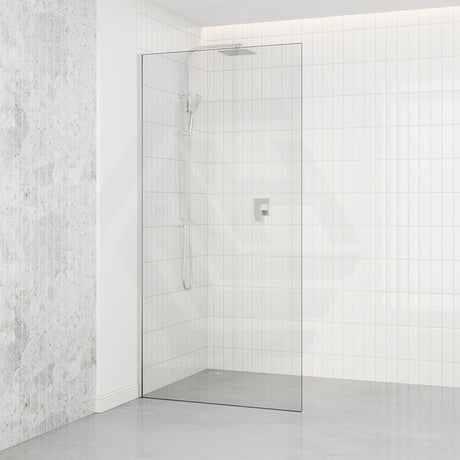
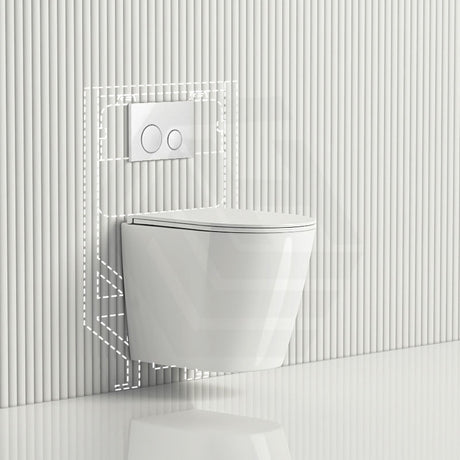
Wall-hung fixtures are the best option in a small bathroom. Wall-hung toilets save roughly 150–200 mm of floor depth compared with a floor-mounted suite — that gap makes the room feel noticeably larger. You can combine this with a frameless walk-in screen, with no door or barrier, as it allows the space to open up. Frameless screens comply with AS/NZS 2208 safety glazing requirements and are available from around $130, making them one of the most cost-effective small bathroom ideas for opening up a compact shower recess.
Anything under 900 mm in a shower recess is just too cramped to be practical. Got some flexibility with the layout? A wet-room setup where the whole floor grades to a central drain that ditches the hob entirely and gives the space a seamless, open feel. Fewer grout lines mean a floor that reads as bigger — that's the argument for large-format tiles like 600 × 600 mm or 900 × 900 mm, where both the 600 mm and 900 mm dimensions work hard in a tight space. Before you purchase floor tiles, check the slip-resistance rating — wet areas demand P4 or P5 under AS 4586.
A recessed niche in the shower wall — cut 300 mm deep between studs — handles storage without eating into your floor space at all. You're basically reclaiming space the wall was hiding.

Bathroom Renovation Cost: What to Budget in Australia
Sort out your bathroom renovation budget upfront — nasty surprises down the track are a lot easier to dodge that way. Three broad tiers cover most small bathroom renovations in Australia — budget at $8,000–$15,000, mid-range at $15,000–$25,000, and premium from $25,000–$40,000 upward — with scope, location, and finishes all shifting the final figure. Labour rates in Sydney and Melbourne are usually at the top of the scale — head into regional areas and you'll generally pay less.
Expect labour to chew through the lion's share of your budget. Plumber, tiler, electrician — each trades at their own rate, and a small bathroom almost always needs all three on site. Some quotes lump waterproofing membrane in without a line item, yet under NCC 2022 it's non-negotiable and deserves its own cost entry. Push for it as a separate line. Before a single tap gets turned on, you've already paid for strip-out and disposal, wet-area waterproofing, tiling, fixture fix-out, and cabinetry.
The costs that blindside people most? Council permits whenever structural changes are on the cards, exhaust fan wiring to satisfy AS/NZS 3000 wet-area electrical requirements, and the often-wide gap between a fixture's supply price and its installed price.

Cheap Bathroom Renovation Strategies — Without Cutting Corners
When budget's the main driver, knowing exactly where to hold firm matters just as much as knowing where to trim. These are the cheap bathroom renovation moves that genuinely put money back in your pocket.
Your single safest cost-saving move? Leave the plumbing exactly where it sits. Move a toilet or shower drain and you're up for jackhammering a concrete slab or rerouting pipes through walls — costs blow out fast either way. Keep the original layout and licensed-trade hours drop considerably. In every Australian state and territory, plumbing connections, waterproofing, and electrical work sit firmly in licensed-trade territory (state plumbing licensing legislation) — leave them to the pros. Water damage sets in, and any short-term saving vanishes with it.
Go with pre-sized rectified tiles and custom-cutting fees disappear entirely. Time your vanity purchase to coincide with mid-year or end-of-financial-year sales — hundreds off the cabinetry bill is very achievable.
Of all the places to scrimp, waterproofing isn't one of them. Per (AS 3740:2021), membrane on shower walls must reach at least 1800 mm above the floor substrate, and it needs to cure fully — allow 24–48 hours — before any tiles go up. Cut it short or skip it altogether, and the water damage bill will dwarf whatever the waterproofing would've cost.
Most small bathroom renos wrap up somewhere between two and four weeks on site — book your trades early and sequence them carefully to hold that timeline.

Best Vanity Choices for a Small Bathroom Renovation
A poorly sized or badly positioned vanity can drag down the whole room — in a small bathroom, that one decision carries serious weight.
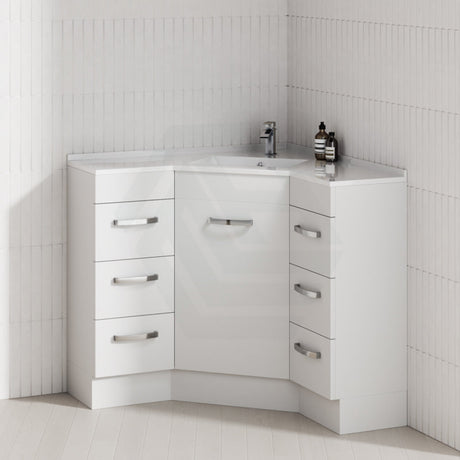
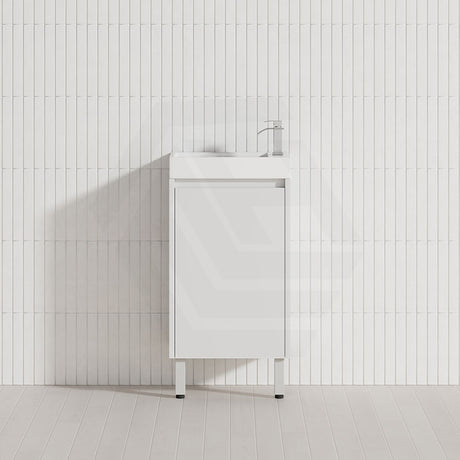
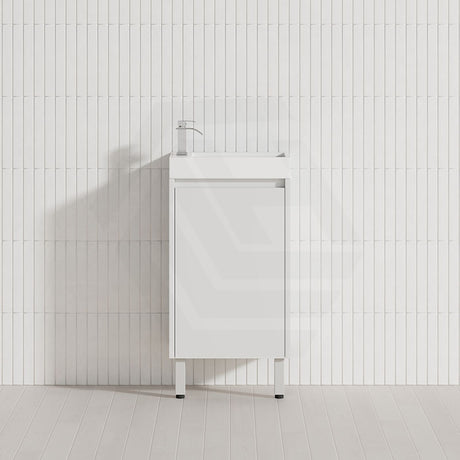
Under 4 m²? A wall-hung vanity around the 600 mm mark hits the sweet spot. A little more wall to play with and a 750 mm unit slots in without a problem. Bump the room up to 5 m² and a 900 mm width becomes a realistic option. Whatever width you choose, 750 mm of clear floor space in front of the vanity is the accessibility clearance minimum — don't go under it.
Cabinet substrate and basin top are two separate spec decisions — price them out individually.
For the cabinet itself, a PVC-wrapped finish is hard to beat on price — fully waterproof and available from around $50 — which makes it a go-to cheap bath vanity pick. Mid-range cabinets bring moisture-resistant MDF with properly sealed, finished surfaces. Want real woodgrain warmth? A timber bathroom vanity in premium plywood brings durability alongside that rich, tactile character. After a natural, considered aesthetic? A wooden vanity at this tier handles a wet environment well and doesn't sacrifice style to do it.
Ceramic basin tops cost the least; stone resin looks more sculptural but comes at a higher price. These two decisions are independent — mix and match them to suit your priorities rather than defaulting to a single package.
Few decisions shape a small bathroom reno more than vanity size, type, and cabinet material — get those right and the rest of the room tends to sort itself out.
References
National Construction Code 2022, ABCB Housing Provisions, Part 10.2 Wet Areas
State plumbing licensing legislation (VBA Victoria; Fair Trading NSW; QBCC Queensland; Building Practitioners Board WA; CBOS Tasmania; ACTPLA ACT; Building & Energy SA; ABPB NT)
AS 3740:2021 Waterproofing of Domestic Wet Areas, Standards Australia