08 December, 2025
Are Smart Toilets Worth It? Everything You Need to Know
Are smart toilets worth it? Heated seats, bidets, auto-flush & self-cleaning boost hygiene/comfort – but $2K+ costs add up. Pros/cons guide for Australian buyers.

Smart toilets are becoming more common in modern Australian homes, and many people wonder if they’re actually worth the money. These upgraded toilets come with features like warm water cleaning, automatic flushing, built-in dryers, and even night lights. They promise more comfort, better hygiene, and a cleaner bathroom experience overall. But smart toilets can be expensive, and not every home needs one. In this article, we’ll break down: are smart toilets worth it, how they work, what they offer, how much they cost, and the pros and cons to help you decide if a smart toilet is the right choice for your home. Let's begin.

What Is a Smart Toilet and How Does It Work?
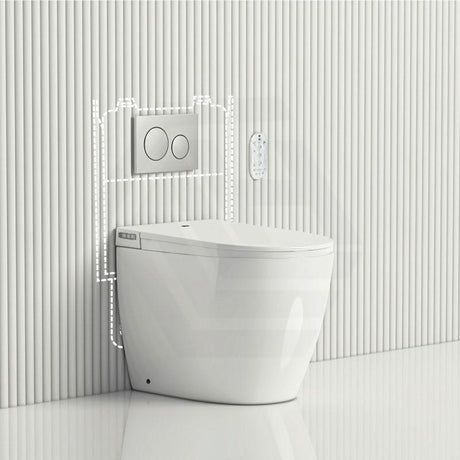
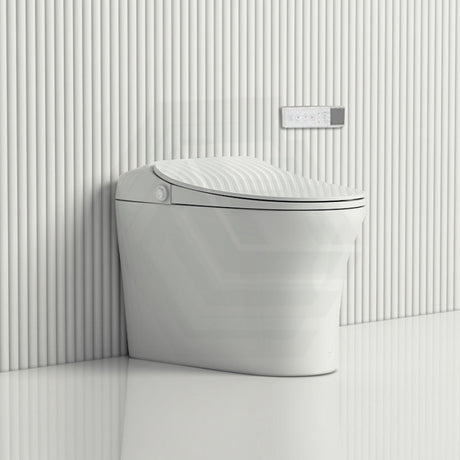
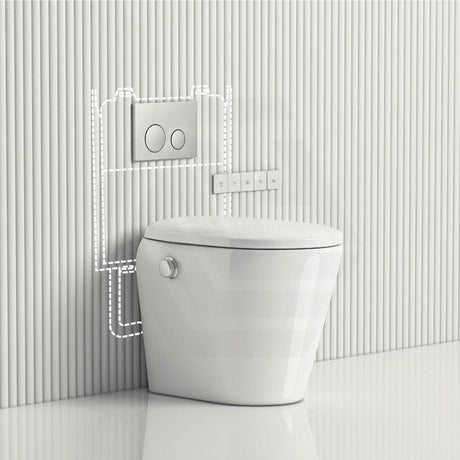
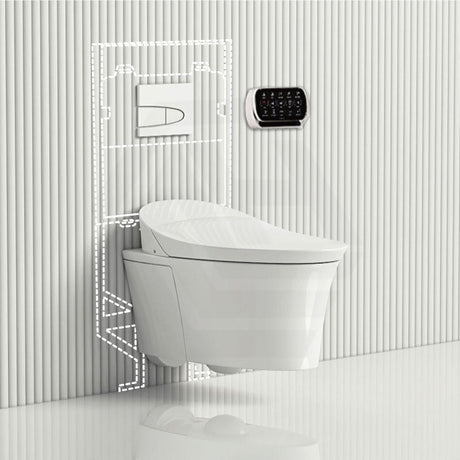
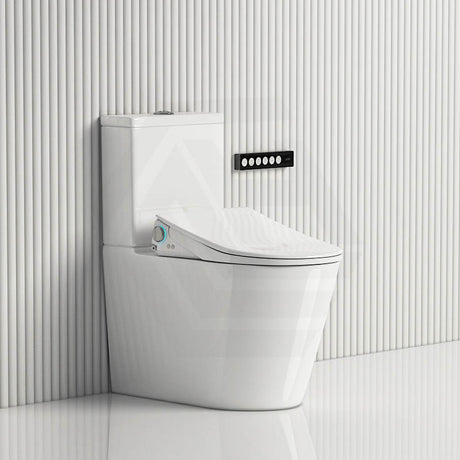
A smart toilet is a normal toilet with extra tech built in to make bathroom use cleaner and easier. Its development has been strongly influenced by Japanese toilets, which helped shape the modern focus on hygiene and automation in bathroom design. It can open and close on its own, wash you with warm water, dry you, and flush without you touching a handle. Many models also keep the bowl fresher by reducing smells and cleaning parts of the toilet by themselves. The main idea is comfort plus better hygiene. Most smart toilets come with a bidet spray, a heated seat, adjustable water temperature and pressure, and automatic flushing. Some higher-end models like TOTO smart Toilet Australia, Kohler smart toilets add soft lighting for night use, touch-free lids, and even simple health checks. They’re made to cut down on toilet paper and make cleaning up feel more thorough.
So, how do smart toilets work? Inside, a smart toilet mixes regular plumbing with sensors, heaters, a small pump, and a control board. Sensors notice when you walk up, so the lid may lift and a light may turn on. After you leave, the toilet can flush automatically.
When you choose a wash mode, a hidden nozzle slides out and sprays warm water. The water is heated quickly inside the unit, and the pressure is controlled to match your setting. Afterward, the nozzle rinses itself and tucks away.
Power from a wall outlet runs the heaters, dryer fan, and deodoriser. A filter pulls air from the bowl to reduce smells, and some models also use UV or treated water to keep the bowl cleaner. Overall, everything works together so each visit feels simpler, cleaner, and more comfortable.

The Key Features of a Smart Toilet
Smart toilets pack a surprising number of features into one unit. But not all are built in the same way. Some focus on hygiene, others on comfort, and a few are built for people who want more control over their home setup. Here’s a quick look at what the best smart toilet Australia usually offers and why these features matter.
Touchless Lid and Automatic Flush
Many smart toilets open the lid when you walk up and flush when you step away. It reduces germs and makes the whole experience more hands-off, which is great for kids, older adults, or anyone who just prefers things to run on their own.
Bidet Functions
Most smart toilets come with a built-in bidet. You can adjust the water pressure, water temperature, and spray position. Some even add extra modes like oscillating or pulsing spray. It’s cleaner, gentler, and usually more comfortable than toilet paper.
Heated Seat
A heated seat might not sound essential, but once you try it, it’s hard to go back. You can set the warmth to whatever feels right, so winter mornings don’t feel quite as harsh.
Warm Air Dryer
Instead of reaching for toilet paper, the toilet can dry you with warm air after cleaning. It’s convenient, reduces waste, and feels surprisingly natural after a few uses.
Self-Cleaning Technology
Smart toilets often clean themselves using UV light, automatic nozzle rinsing, or special sterilizing water. The idea is simple: less scrubbing, fewer germs, and a fresher bowl without constant effort.
Built-In Deodorizer
A small fan inside the toilet pulls in odors and passes them through a filter. This keeps the bathroom smelling clean without sprays or room fresheners.
Night Light
A soft glow around the bowl helps you find your way in the dark without turning on bright lights. It’s a small detail, but it makes late-night bathroom trips easier.
Adjustable Settings
You can fine-tune almost everything: water temperature, drying temperature, spray strength, seat heat, and more. Some models even let you save user profiles so everyone in the house gets their preferred settings every time.
Smart App Control
Higher-end toilets connect to an app where you can adjust settings, check water usage, or even monitor health data. It’s a step toward a fully connected bathroom.
How Much Do Smart Toilets Cost?
Smart toilets can feel like a luxury, and the price shows that. Basic models usually start around $600. They cover the main features, like bidet washing and simple touch-free controls.
If you want the top models with everything built in, like the auto lids, heated seats, stronger bidet settings, and even health sensors, the price can jump past $3,000 and sometimes reach $5,000. That’s a lot more than a standard toilet, which often costs about $100 to $500.

Main Benefits of Installing a Smart Toilet
Now the real question is, are smart toilets worth it, and what benefits will you get? The answer is that smart toilets aren’t just fancy gadgets; they offer real improvements in hygiene, comfort, and convenience. While they cost more than regular toilets, many homeowners find the perks worth it. Here are the main advantages:
- Smart toilets improve hygiene by reducing germs and toilet paper use.
- They make bathroom visits more comfortable with warm seats and gentle water sprays.
- They allow hands-free use, so you don’t need to touch surfaces.
- Soft LED lights help you navigate the bathroom at night.
- Some models can track health indicators like hydration or glucose levels.
- You can personalize settings for water pressure, seat warmth, and spray type.
Drawbacks of Smart Toilets
Despite the advantages, smart toilets aren’t perfect for everyone. They come with a few downsides that are worth considering before investing.
- Smart toilets cost much more than standard toilets.
- They need to be near a power source for most functions.
- Repairs can be expensive if sensors or electronics break.
- Heated seats, bidets, and dryers use electricity.
- Some users may find the features confusing or unnecessary.
- Electronics can malfunction over time and require service.
How Do You Decide if a Smart Toilet Is Right for Your Home?
Choosing a smart toilet depends on your priorities, budget, and lifestyle. If you value hygiene, comfort, and convenience and don’t mind spending a bit more upfront, then a smart toilet can be a great upgrade. They’re especially useful for families with kids, elderly members, or anyone who wants a more hands-free, sanitary bathroom experience.
On the other hand, if you prefer simplicity, low maintenance, or want to avoid higher electricity and repair costs, a traditional toilet might be a better fit. Think about which features matter most to you, how often you’ll use them, and whether the investment aligns with your home setup before making a decision about whether smart toilets are right for your home.
Conclusion: Are Smart Toilets Worth It
Smart toilets do cost more, but they can give you real day-to-day wins. The wash and dry features feel cleaner than toilet paper alone, the seat stays warm, and hands-free flushing makes things simpler. If you like comfort and enjoy modern gadgets, the upgrade can be worth the price.
Still, they’re not a must-have for every home. You need a power socket nearby, and the higher cost plus occasional upkeep might not fit every budget. In the end, a smart toilet is worth it if you’ll use the features often and you want that extra ease and hygiene. If you’re ready to explore good options, MyHomeware offers high-quality smart toilets to choose from.