16 July, 2024
Understanding In-Wall Cistern Toilet Dimensions: A Comprehensive Guide
Learn about the key dimensions of in-wall cistern toilets to ensure a successful installation. Our comprehensive guide covers cistern, toilet pan, wall cavity, and flush plate dimensions for optimal bathroom design.

In-wall cistern toilets have become increasingly popular in modern bathroom designs due to their sleek appearance and space-saving benefits. However, understanding the dimensions of these toilets is crucial for a successful installation and optimal functionality. This blog post delves into the key dimensions of in-wall cistern toilets, providing a detailed guide for homeowners, designers, and installers.
Definition and Overview of In-Wall Cistern Toilets
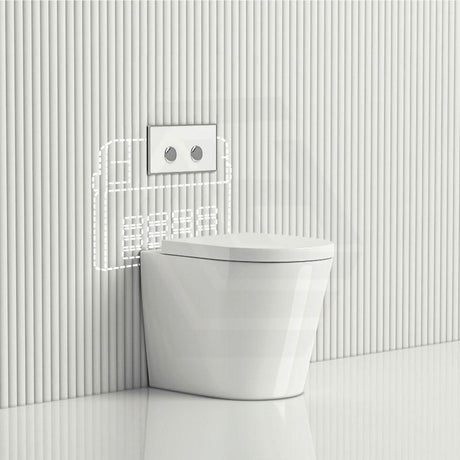
An in-wall cistern toilet, also known as a concealed cistern toilet, features a cistern that is installed within the wall, with only the flush plate and toilet pan visible. This design offers a minimalist look, freeing up floor space and providing a streamlined appearance in the bathroom.

Key Dimensions to Consider
1. Cistern Dimensions The cistern is the hidden component of the toilet, and its dimensions are crucial for installation within the wall. Standard inwall cistern dimensions typically include:
- Height: 500mm to 600mm
- Width: 350mm to 400mm
- Depth: 90mm to 150mm
These dimensions can vary depending on the manufacturer and model. It is essential to check the specific product specifications for accurate measurements.
2. Toilet Pan Dimensions The toilet pan, also known as the bowl, is the visible part of the in-wall cistern toilet. Its dimensions include:
- Height: 400mm to 450mm from the floor to the top of the seat
- Width: 350mm to 400mm
- Depth (Projection): 500mm to 700mm from the wall to the front edge of the pan
3. Wall Cavity Requirements The wall cavity must be deep enough to accommodate the cistern and any additional plumbing connections. Typical wall cavity depth requirements are:
- Depth: At least 150mm to 200mm
Ensure that the wall structure can support the installation, especially in cases of retrofitting into existing walls.
4. Flush Plate Dimensions The flush plate is the control panel visible on the wall, used to activate the flush. Different systems may use varying plate designs, and many modern setups are compatible with a wide selection of toilet flush buttons commonly used across in-wall cistern installations. Standard dimensions include:
- Height: 150mm to 200mm
- Width: 200mm to 250mm

Installation Considerations
1. Accurate Measurements Accurate measurements are essential for a successful installation. Measure the wall cavity, plumbing connections, and the space for the toilet pan to ensure compatibility with the chosen in-wall cistern toilet.
2. Structural Support Ensure the wall can support the weight of the cistern and the toilet pan. Reinforcing the wall structure may be necessary, particularly in older buildings.
3. Accessibility for Maintenance Plan for future maintenance by ensuring easy access to the cistern through the flush plate or an access panel. This consideration will facilitate repairs and replacements without extensive wall damage. For a detailed overview of the most frequent issues you may encounter, refer to our guide on common in-wall toilet cistern problems.
Benefits of In-Wall Cistern Toilets
1. Space Saving The concealed cistern design frees up floor space, making the bathroom appear larger and more open. This is particularly beneficial in smaller bathrooms.
2. Aesthetic Appeal With only the toilet pan and flush plate visible, in-wall cistern toilets offer a sleek, minimalist look that complements modern bathroom designs.
3. Easy Cleaning The absence of a visible cistern and exposed plumbing makes cleaning easier and more efficient, reducing the accumulation of dust and grime.

Conclusion
Understanding the dimensions of in-wall cistern toilets is essential for a successful installation and optimal functionality. By considering the cistern, toilet pan, wall cavity, and flush plate dimensions, you can ensure a seamless integration into your bathroom design. Explore our range of in-wall cistern toilets to find the perfect fit for your space.