

07 April, 2026
What Does Bidet Mean? Your Guide to Bidet Showers and Sprays
What does bidet mean? Simple guide to bidet sprays and showers for Australian bathrooms. Learn types, how to install a handheld bidet sprayer, and why they’re a hygienic, practical upgrade.

If you’re like most people, you’ve probably heard the term “bidet” thrown around quite a lot when it comes to bathrooms, and if you’ve been pretending to know what everyone is talking about while secretly wondering… you’re definitely not alone. The bidet meaning is actually really simple, and once you know what it is, you’ll probably be wondering why it took so long to become popular in Australian bathrooms. A bidet is essentially a way of cleaning yourself with water after you go to the toilet. That’s it. No mystery, no fancy technology, just water, doing what water does best. And with the various options that are available these days, particularly the handheld sprays that have exploded in popularity throughout Australian bathrooms, it’s never been easier to add a bidet into your existing bathroom without having to do a full renovation.
What a Bidet Actually Is (and Where the Word Comes From)
So here’s a fun fact for you to impress your friends with at dinner parties, the word “bidet” actually comes from the French word for “pony” or “small horse”. If you picture the way you’d ride a small horse, you’ve roughly got the position that people assumed when using the original standalone bidet units that were so common throughout Europe for centuries. The traditional standalone bidet was essentially a low basin positioned next to the toilet, and it’s still a standard fixture in countries like Italy, France and right throughout the Middle East. The Japanese even took it a step further and developed the electronic washlet seats that heat the water, adjust the angle of the jet, and even provide a drying function. But in Australia, standalone bidets just never really caught on in the same way. What has caught on in a big way is the handheld bidet spray, basically, the type of unit that attaches to the wall beside your toilet and is connected to your water supply. In most cases, when Australians talk about “getting a bidet”, this is what they’re actually referring to. Understanding the bidet meaning in an Australian context is important, because it affects the type of product you’ll actually be looking for, and fortunately, these types of spray units are very affordable, easy to fit, and very practical.

Types of Bidet Sprays for Australian Bathrooms
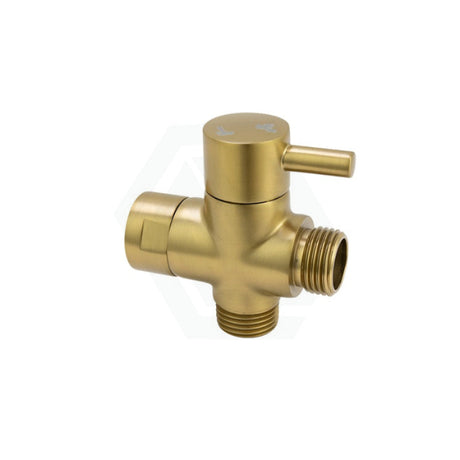
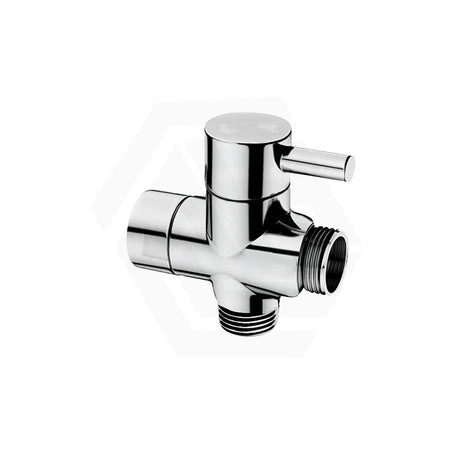
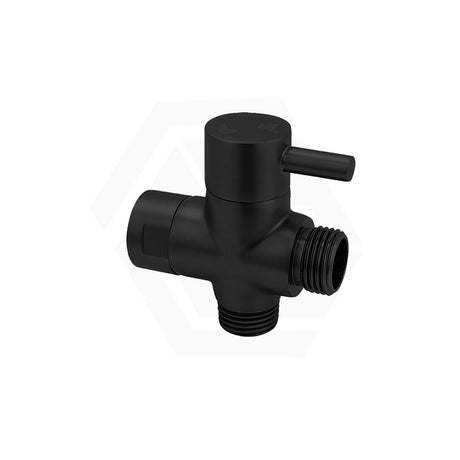
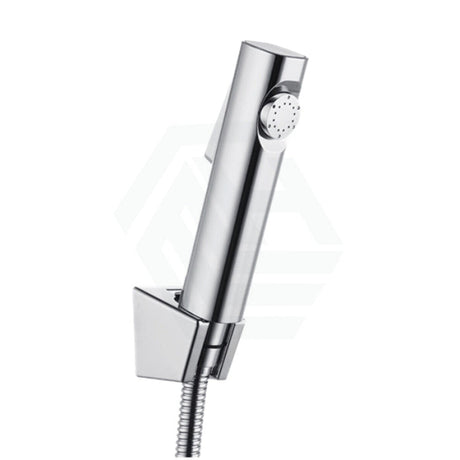
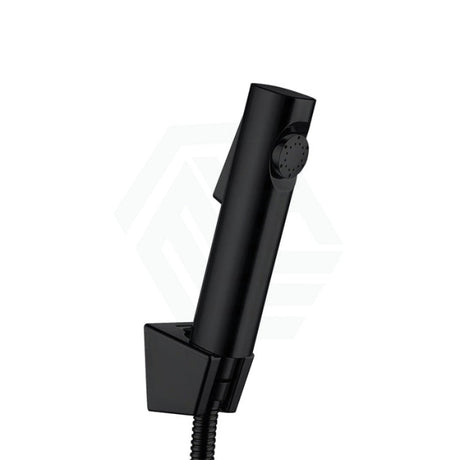
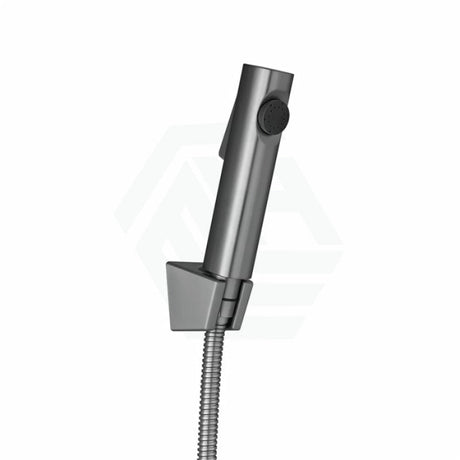
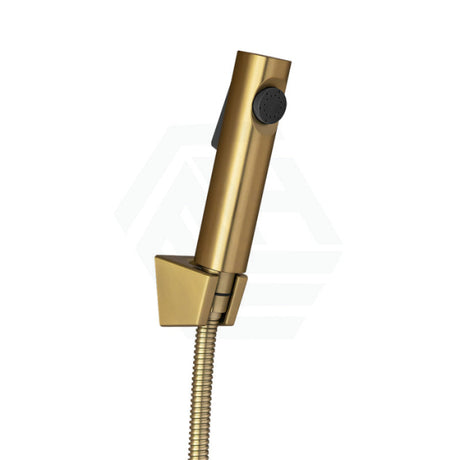
If you’re just starting to explore the options that are available to you, you’ll probably notice that there are a few different styles of bidets out there. The most popular, by far, is the bidet shower, which is essentially just a handheld spray head on a flexible hose that attaches to a bracket beside your toilet. If you can imagine a small shower rose at toilet height, you’re on the right track, you squeeze the trigger, and you direct the flow wherever you need it. It’s simple, it’s effective, and the installation is very straightforward. A handheld bidet sprayer is connected to your toilet’s water supply by a T-valve, basically a small valve that allows your water line to be split, so that it supplies both your cistern and your bidet. The hose runs up to a bracket that’s either mounted to the wall or to your toilet itself, and the spray head usually has an adjustable flow rate. You can get models with a ceramic or chrome finish, so they’ll match in with your existing bathroom fixtures. Aside from the handheld bidet sprayers, you’ll also encounter bidet attachments that actually replace your existing toilet seat and have a built-in nozzle, and then there’s the electronic washlet seats with heated water and air drying and all the extra features, although these tend to be a bit more expensive, and they require you to have a powerpoint somewhere nearby. A handheld bidet sprayer is the best bidet for Australian bathrooms in terms of cost, installation convenience and day-to-day practicality.

How to Install a Bidet Spray (It Is Easier Than You Think)
One of the great things about the latest bidet sprays is that most do not require a plumber to install. If you have fitted a showerhead or a garden hose before, you are already qualified to fit a bidet sprayer. Here is a general overview of the process: first, turn off the water supply to your toilet (isolation valve is usually behind or adjacent to the cistern). Next, flush the toilet to empty the supply hose, then disconnect the hose from the cistern inlet. At this point you will use the T-valve. You attach the T-valve to the supply hose and the cistern inlet so that you now have an additional outlet to attach the bidet hose. Wrap the threads with a bit of plumber’s tape (also known as thread seal tape) to prevent drips. Attach the spray holder to the wall or cistern side (ideally within easy reach), attach the bidet hose, turn the water back on, check for leaks, and you are done. When buying a toilet jet spray, look for one that includes the T-valve and wall mount bracket in the package (most quality kits do). A commode jet spray with a metal hose rather than a plastic hose will last longer and feel more substantial in your hand. If comparing different models, a jet spray toilet attachment with an adjustable flow trigger will give you far more control than a simple on-off valve. The entire process of how to install a bidet spray takes about twenty minutes, and once you have tried it, the bidet meaning will become all too clear when you experience the difference to your daily routine.