08 September, 2026
What Are Toilets Made Out Of? Materials Explained
Find out what are toilets made out of, from vitreous china to stainless steel. Compare materials, glazes and cistern parts to choose the right toilet.

Have you ever wondered what are toilets made out of?
If you're renovating or just curious about what's behind the flush, this guide breaks it down in simple terms, covering materials, glazes, and cisterns.
Whether you're in the market for a new toilet, doing a bathroom renovation, or just curious about what's behind the flush, this guide breaks down the key materials used in modern toilets. From vitreous china to the hidden plastics and metals inside, you'll learn how to choose the best toilet to match your budget and how you'll use it.
Honestly? Most of us never think about it. Flush and move on. But here's the thing — what your toilet's actually made from matters way more than you'd think. Vitreous china dominates the Australian market. Dense, high-fired, coated in this almost glass-like glaze — bacteria and staining just don't stick. Daily punishment? Doesn't faze it one bit. A decent pan can last 20 to 30 years without much drama at all. Other options exist, sure — plastic, stainless steel, composite resins. Each suited to something different. Look, whether you're mid-renovation or just curious, here's what genuinely goes into a modern toilet.
Video Credit: Smithsonian Channel
Why Vitreous China Is the Dominant Toilet Material
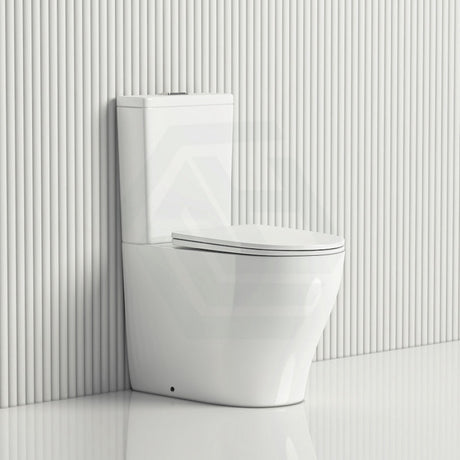
The vast majority of toilets sold in Australia are made from vitreous china, or sometimes labelled as porcelain. It's hard-wearing, easy to keep clean, and long lasting.
Vitreous china is a high-quality ceramic made from a specific combination of clay and fired at extremely high temperatures (around 1,200°C). This makes the material dense and less porous than other clays. It's coated with a hard glass-like glaze that prevents it being porous.
The glaze on vitreous china keeps bacteria from sticking to the toilet bowl, making it the most hygienic choice for use in the bathroom. It also makes the toilet pan easy to clean, helping prevent limescale and stains. A vitreous china pan also typically lasts 20 to 30 years or more with regular servicing. This material is also resistant to most domestic chemical cleaners used in the home.
In Australia, there are minimum standards for the water absorption level for ceramic sanitary ware, under the AS 13006:2020 standard. True porcelain is classified by a water absorption rate of 0.5% or less. But vitreous china is often called porcelain in retail situations, and the two terms are largely interchangeable at the point of sale.
The cost of a new vitreous china toilet in Australia can range from $200 to $1,500 or more depending on brand and design.

Alternative Materials: Plastic, Stainless Steel, and Composites
Some toilets are made from other materials. ABS plastic or polypropylene is common in budget, portable, or caravan toilets. They're easier to scratch, less hygienic in the long-term and can stain, but they're much cheaper and lighter in weight.
Toilets are also made from stainless steel, typically Grade 304 or 316 for corrosion resistance. Steel toilets can last a very long time, are very hygienic, and easy to clean. But they tend to be more suited to commercial rather than domestic situations. You'd find them in correctional facilities, hospitals, factories, and other institutional environments where robustness is required. The material and finish are also more industrial and cold, rather than a traditional residential toilet. In recent times, they have become more popular on coastal properties and for outdoor bathroom installations in Australia.
In premium and designer bathrooms, you might see composite or resin toilets that can form unique designs and geometrics. For instance, wall-faced toilet suites can be made from composite materials. Confirm WaterMark certification before purchasing — non-certified products may not be accepted by local plumbing authorities.

How Toilet Pan Material Affects Performance and Cost
The material of the toilet affects price and durability, but also the performance of the toilet pan over its lifetime. You should choose a material that's suited to your bathroom design, but also the way you will be using it and the cleaning demands it's likely to see.
When choosing a new pan, it's important to consider glazing quality. A smooth pan glaze helps water sheet efficiently off the pan and is less likely to collect bacteria and limescale in microscopic surface irregularities. At the point of purchase, check for consistent glazing across the pan with no rough patches, pinholes, or dull spots. Over time, you might notice fine cracks in the glazing, or crazing. This is sometimes caused by chemical cleaning products but can also indicate poor quality.
The cistern body is typically made from the same material as the pan — vitreous china. However, the internal toilet cistern parts can vary depending on quality, price, and demand. Those internal components — including fill valves, flush valves, and floats — are typically made from plastic, stainless steel, or brass. In Australia, all toilet cistern bodies and parts sold are required to be WaterMark certified.
Cheaper toilets may use all-plastic components, while high-end brands such as Geberit, Poseidon, or Fienza often use more stainless steel or brass. Plastic, particularly ABS, is lightweight and reduces manufacturing cost, so it is often used for toilet seats and other moving parts.
To choose the best option, toilet suites broadly fall into three price categories:
• Budget (approx. $200 to $400): These are basic toilet suites that often have a vitreous china body but cheaper plastic components within them
• Mid-range (approx. $400 to $800): These toilets may have slightly higher quality ceramic bodies and higher quality internal cistern components to make them more durable over time
• Premium (from $800 and above): These have top-quality ceramic bodies and are often precision crafted with high-quality stainless steel and brass internals
Budget toilets can be fine for low-usage situations or short-term rentals. But high-quality cistern components are more durable and reliable. Hard water or chemically treated water can cause poor-quality plastic valves to wear out more quickly — a common issue with budget toilets that may be cheaper up-front but require servicing sooner.
Premium brands like Geberit, Poseidon, or Fienza typically offer higher-quality internals using more high-grade plastics, as well as stainless steel and brass.
If you're unsure about the best toilet type or material for your bathroom, speak with your local licensed plumber. They can advise on the best type of toilet pan and installation, including any requirements such as reinforced flooring for heavier fireclay toilets, and ensure all plumbing connections meet Australian plumbing regulations.
In Australia, toilets must comply with water efficiency regulations and carry a WELS label. Most modern toilets feature dual-flush systems — a 4-star WELS rated toilet uses a full flush of 4.5 L and a reduced flush of 3 L, averaging 3.3 L per cycle. Check all products carry the WaterMark label. The WELS Act 2005 requires all water-using products to be registered before they can be sold in Australia.

Choosing the Right Material for Your Toilet Suite and Cistern Parts
When selecting toilet suites, the material of both the pan and cistern body matters — but so do the internal toilet cistern parts. A well-glazed vitreous china pan paired with quality brass and stainless steel internals will outperform a budget unit over the long term, particularly in high-use households.
Consider the full picture: understanding what are toilets made out of covers the toilet pan material, the cistern body, and the quality of the toilet cistern parts inside. If you're asking what are toilets made out of before a purchase, use that question to guide a conversation with your licensed plumber or bathroom specialist — they can match the right material profile to your specific installation environment.
References
AS 13006:2020 Ceramic tiles — Definitions, classification, characteristics and marking, Standards Australia
WaterMark Certification Scheme, Australian Building Codes Board
AS/NZS 6400:2016 Water efficient products — Rating and labelling (incorporating Amendment No. 1:2022 and Amendment No. 2:2022), Standards Australia
AS/NZS 3500.2:2025 Plumbing and Drainage — Sanitary Plumbing and Drainage, Standards Australia