

09 April, 2026
Toilet Dimensions Guide: Standard Sizes in Australia
Toilet dimensions guide for Australia: standard sizes, heights, set-out distances, P-trap vs S-trap and clearance requirements. Essential measurements to choose the right toilet that fits your bathroom perfectly.

Let's be real, talking about toilet sizes is far from the most glamorous part of designing a new bathroom. However, if you're installing a new toilet, renovating an old one or trying to understand why your new toilet seat won't fit, these measurements are more important than you'd think. And if you get them wrong, you could end up with a toilet that protrudes too far from the wall, a seat that is unstable or, at worst, doesn't match up with your plumbing system. Here's everything you need to know about toilet dimensions in Australia, explained in a way that's easy to understand.
So, what's the deal with toilet dimensions anyway?
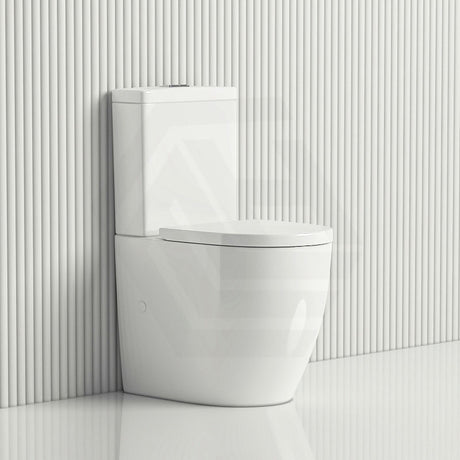
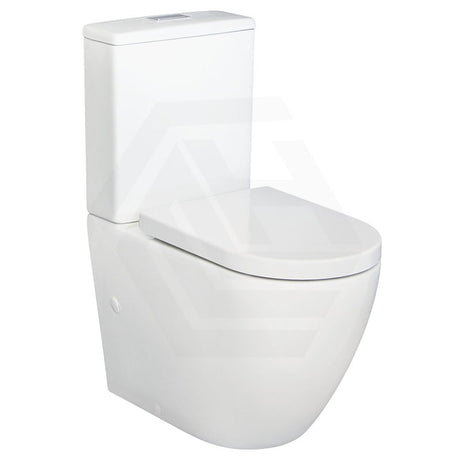
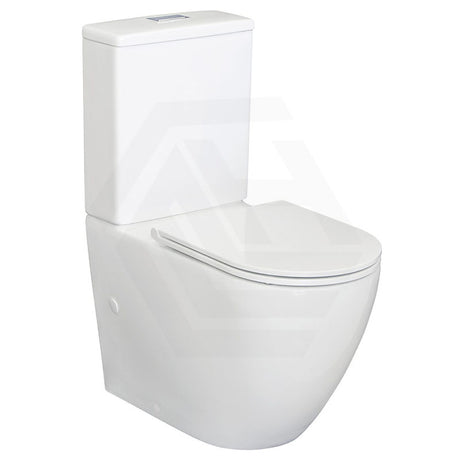
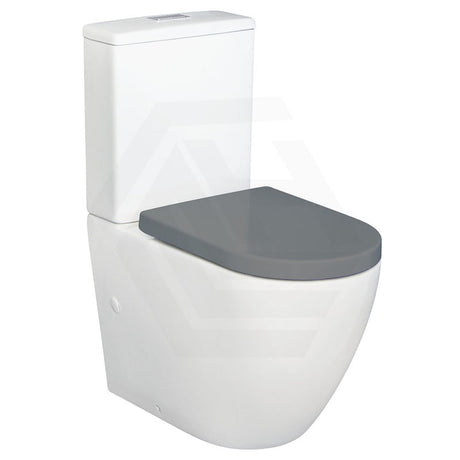
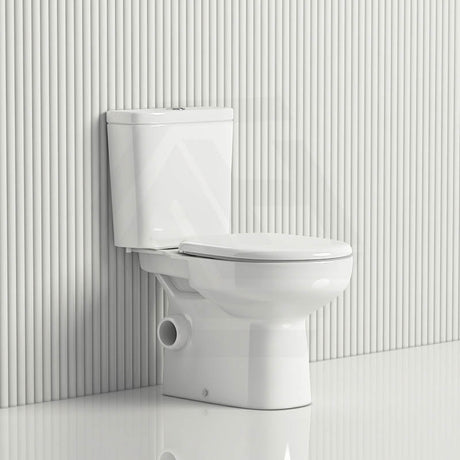
While there is a 'standard' measurement for Australian toilet sizes, there's no such thing as a one-size-fits-all approach when it comes to toilet sizes in Australia. Different styles of toilets, including close-coupled, back-to-wall, wall-hung and concealed cistern toilets all have slightly different dimensions and may sit in different ways within your bathroom, so it's worth checking the toilet dimensions specifications for each one. When someone mentions standard toilet dimensions, they're typically referring to the average range of sizes for the majority of household toilets sold here. Generally speaking, a standard close-coupled toilet (the most common type of toilet sold in Australia) will measure between 650mm and 750mm in length, 370mm to 400mm in width at the bowl and between 400mm to 460mm in height from the floor to the seat. The cistern adds some extra height to the toilet, taking the overall height up to between 750mm and 850mm. However, these measurements can vary between different brands and models, so always check the specs of the toilet you are interested in. For example, a wall-hung toilet will be hung from the wall, so the height of the toilet is dependent on how high your plumber decides to hang it. A back-to-wall suite will have the cistern concealed in the wall, which affects the depth of the toilet. I have heard of cases where someone has ordered a new toilet online only to find it was 50mm deeper than their existing one and now the bathroom door wouldn't open properly.

The numbers that actually matter
Before you start looking at toilet sizes and comparing the measurements of different toilets, there are three key measurements you will need to take in your existing bathroom. The first measurement you need to take is the set-out distance. This is the distance from the wall (or from the finished surface of the wall, not from the studwork) to the centre of the waste pipe in the floor. In Australia, common set-out distances are 140mm, 165mm and 200mm, so make sure you measure accurately to avoid toilet dimensions issues where your toilet won't fit your plumbing. The easiest way to do this is by using a tape measure to measure the distance from the wall to the exact centre of the waste pipe. Next, measure the distance from the front of the toilet bowl to the object in front of it (this might be a wall, a bathroom vanity or a shower screen). You will need at least 600mm of clearance in front of the bowl to make the toilet comfortable to use. Building codes differ state-to-state, but this is a good rule of thumb. The third measurement is side clearance. You will require a minimum of about 200mm from the centre of the toilet to any wall or fixture on either side. This is one of the easy ones to get wrong, especially in small bathrooms, and can be the difference between a comfortable toilet and one where you have your elbows on the wall (which is not great).

Standard toilet height — and why it's not one-size-fits-all
The toilet height is one of those things you don't consider until you've already bought and installed the wrong one. In Australia the standard toilet height is approximately 400-420mm from the floor to the top of the seat. This is fine for most adults, but it's not the only option. "Comfort height" toilets (occasionally referred to as "accessible" or "raised") are about 450-480mm. They're becoming increasingly popular because they're kinder to knees and lower backs, especially in households with older adults or people with mobility issues. They're also mandatory in some bathroom configurations under the Australian Building Code for accessible design. On the other end of the scale, a lower seat height (around 380mm) can be preferable in households with small children. The difference may not sound like much, as we're talking 40-60mm, but sit on a toilet that's too high or too low and you will notice it. If you are purchasing a wall-hung toilet, the height can be adjusted at the time of installation, giving you a bit of flexibility. However, you do need to decide the height before your plumber does the rough-in, not after the tiler has been. I've seen this go terribly wrong more than once.

Toilet seat sizes: how to measure without the guesswork
The final dimension that catches people out is toilet seat sizes. Seats are available in two main shapes: round (or "O-shaped") and elongated (or "D-shaped"). Australian toilets are predominantly fitted with elongated seats, but round seats do exist, particularly in older properties or tiny powder rooms. When measuring for a new seat, there are three measurements you will need. Firstly, the distance between the two bolt holes at the back of the bowl, generally around 150mm (mercifully this is fairly standardised). Secondly, the width of the bowl at its widest point, usually 340-380mm. Lastly, the length from the bolt holes to the front edge of the bowl, roughly 430-480mm for an elongated seat and 380-420mm for a round seat. The best way to get this right is to take the old seat with you when you go shopping, or at the very least photograph it against a tape measure. Even within the same category, toilet seat sizes differ between manufacturers, so don't assume a "standard" elongated seat will fit your particular bowl.

What to check before you buy
Ok, now you have the measurements, what next? Here's a list to go through before you buy: Verify that the set-out distance is correct for the toilet. Yes, you've just measured it, but lots of toilets don't have this measurement in the product description. If it isn't there, ring the supplier and ask. The set-out distance is the biggest single reason toilets don't install correctly. Where is the water inlet? In Australia, toilets have either bottom-entry or back-entry water inlets. If you have back-entry plumbing, you need a back-entry toilet, otherwise you will be relocating the cistern inlet which is a pain. What is the WELS rating? All toilets in Australia have to have a WELS rating. A 4-star dual flush toilet uses 4.5l full and 3l half-flush. The higher the star rating, the less water you use and the less your water bill will be. If you're considering a smart toilet option, many of these have excellent water ratings too, so if you're considering one of these, factor that into your thinking. Are you planning for the future? If you're renovating for ageing-in-place, a comfort height toilet now is better than having to replace it later. If you've been thinking of a bidet on the toilet, are the dimensions compatible with a bidet seat? Some of the more compact bowls aren't compatible. If you're considering a bidet for the toilet seat, do you have the correct bolt-hole spacing and bowl shape? Measure and check first.