

07 May, 2026
Smart Toilet vs Bidet Seat: Which Is the Better Investment?
Smart toilet vs bidet seat: features, costs, installation and honest comparison for Australian bathrooms. Discover which upgrade delivers better value, hygiene and comfort for your home.

What Is a Smart Toilet and How Does It Differ from a Bidet Seat?
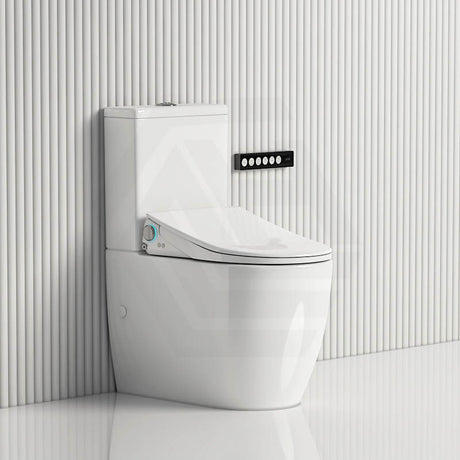
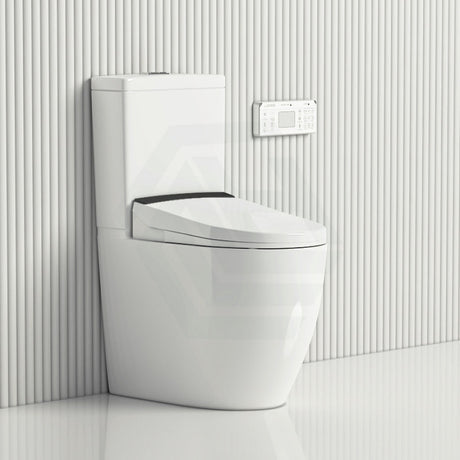
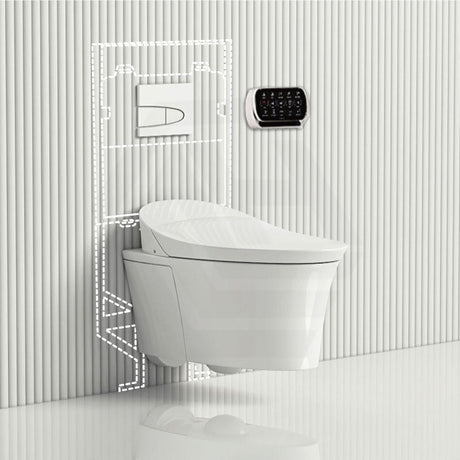
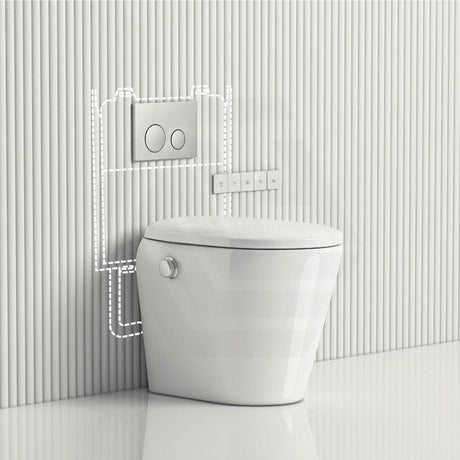
The difference between the two is important, so it's something to keep in mind. A smart toilet is a complete, integrated fixture — the pan and all the electronic functions are built into a single unit. You remove your existing toilet suite entirely and install the smart toilet in its place. It's a full fixture replacement.
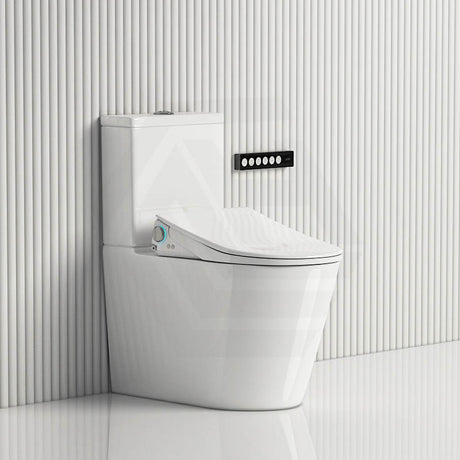
A bidet seat — sometimes called a smart bidet seat or toilet seat cover — is a retrofit product. It replaces your existing toilet seat on your current pan and adds wash, dry, and heat functions without touching the pan itself. Two very different product tiers.
So, now that you know the main difference, let's discuss what each product does and whether this difference justifies the difference in the prices.

Comparing Features: What You Actually Get for Your Money
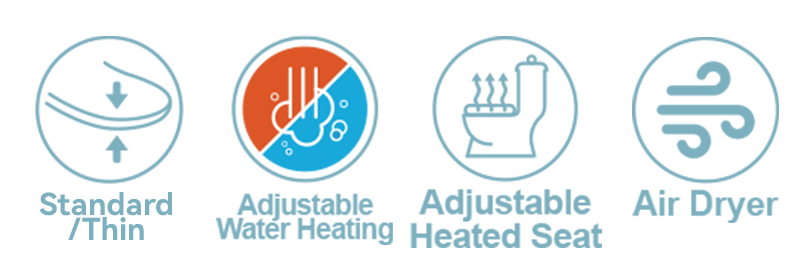
A bidet seat will most likely include features like a heated toilet seat, bidet wash modes for both the posterior and feminine areas, adjustable water temperature (typically up to 38–40°C — well within the 50°C anti-scald cap mandated under AS/NZS 3500.4), and an adjustable pressure setting. It will also most likely have a warm-air dryer built in. Some higher-end models can also include night lights and deodorising, while some even include auto-lid closing and opening.
On the other hand, if you choose a smart toilet, then it'll most likely have all the features that bidet seats include, along with auto-flush, rimless pan design, and more seamless integration of its functions with the cistern as well. In this type of toilet, the entire design is built-in, rather than simply added on top of a toilet like with the seat.
That said, a premium bidet seat from a brand like Kohler or Poseidon can match or exceed the feature set of an entry-level smart toilet. I think the honest answer is that for most households, a well-specified bidet seat delivers the bidet benefits that matter most — hygiene, comfort, and reduced toilet paper use — without the complexity of a full fixture replacement.
All these features don't mean much if you can't easily fit the unit into your bathroom, which is why we're now going to cover the plumbing and installation needs for each product type.

Installation Requirements and Practical Considerations
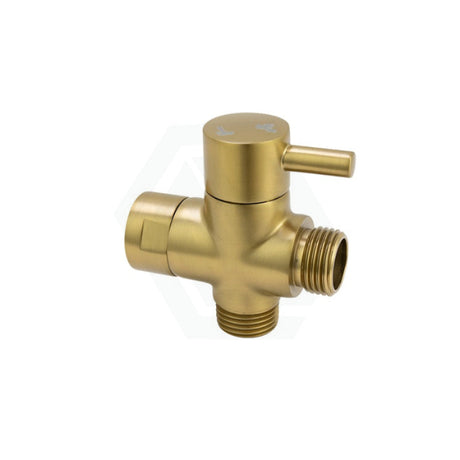
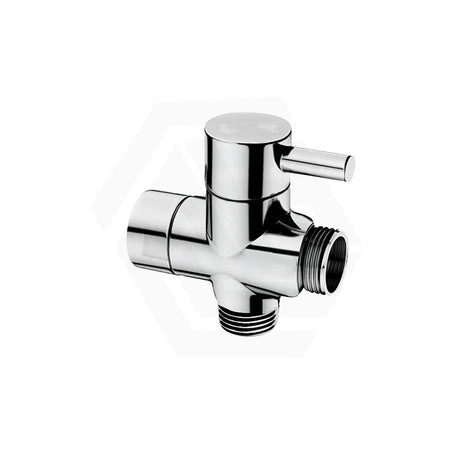
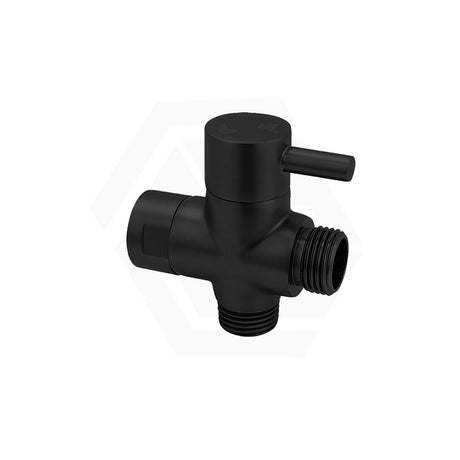
Bidet seats are largely considered DIY-friendly at the seat-swap stage — you remove the old seat, attach the mounting plate, and connect the T-valve to the water supply inlet. However, connecting to the water supply is licensed plumbing work in every Australian state and territory. The power connection requires a standard GPO outlet within reach of the toilet; any hardwired electrical component must be handled by a licensed electrician under AS/NZS 3000:2018.
Smart toilet installation is a different matter entirely. You're looking at a full pan removal and replacement, which involves disconnecting and reconnecting the water supply and waste pipe — definitively licensed plumbing work. Rough-in measurements need to match most Australian bathrooms use an S-trap with a 100–120 mm setout, though some older homes may vary. Get that measurement before you purchase anything.
Wall-hung toilets are not compatible with standard bidet seats, as the in-wall cistern complicates the water supply connection considerably.
All fittings must carry WaterMark certification (WaterMark Certification Scheme) — non-certified products may not be signed off by your plumber. This is something you simply shouldn't risk.
Installation complexity is directly related to price. It's always worth considering the total cost of both options before buying.

The Price: Initial Cost, Running Costs, and Lifespan
Bidet seats start from around $80–$400, with mid-range options coming in between $400–$800. There are even bidet seats costing as much as $1,846. A heated toilet seat at that level will come very close to a smart toilet in terms of features but at a very different price point.
A smart toilet starts from $1,619. The most expensive smart toilet can go as high as $6,205, and this doesn't even factor in the extra cost of hiring a licensed plumber (around $300–$600, depending on the state).
I often get asked are smart toilets worth it, and I can honestly say it depends on the circumstances. If you're doing a bathroom renovation and the pan is already being replaced, it makes a lot more sense to pay the extra for the smart toilet, considering the price differential can be easily spread over a 10–15-year lifespan. If there is no renovation, a bidet seat offers much more value and will serve just as well. Furthermore, the running costs for both are relatively the same — the heated seat element will only draw about 20–60W of electricity, while the wash function for either will use an estimated 0.5–0.6 litres of water per cycle.
At this point you should have a good idea of the initial cost, the cost of installation, and the running costs of each, so you're in a better position to decide which one is right for you.

Which One Do I Choose? Making the Right Choice for You
So how do you determine whether a smart toilet vs bidet seat is right for your home? It really comes down to four common scenarios.
You're renting or are tight on budget — the bidet seat is going to be your best option due to its low installation complexity and affordable price. It can also be moved to your new place if you decide to relocate.
You're renovating and changing the toilet pan regardless, so it will make sense to pay the extra money for a smart toilet, as you're already paying a licensed plumber so you may as well make use of it.
Your toilet pan has a non-standard shape or configuration (e.g., wall-hung toilet). This will depend on compatibility. Do your research before purchasing a bidet seat, as not all bidet seats will fit all toilet pans. For guidance on how to install bidet toilet seat products correctly, always check the manufacturer's compatibility specifications first.
You prioritise hygiene and accessibility. Compare the feature list of a high-end bidet seat with that of the most basic smart toilet, as the feature difference at this end of the price range is likely to be much narrower.
A quality toilet smart seat from a leading brand will provide great value for most homeowners over a 10–15 year period. If you like the integrated design and your bathroom renovation budget allows it, then an all-in-one toilet seat smart unit will be an impressive purchase. Ultimately, the smart toilet vs bidet seat decision depends on your circumstances and honestly reflecting upon what your bathroom needs.
References
AS/NZS 3500.4 Plumbing and Drainage — Heated Water Services, Standards Australia
State plumbing licensing legislation (VBA Victoria; Fair Trading NSW; QBCC Queensland; Building Practitioners Board WA; CBOS Tasmania; ACTPLA ACT; Building & Energy SA; ABPB NT)
AS/NZS 3000:2018 Electrical Installations (Wiring Rules), Standards Australia
WaterMark Certification Scheme, Australian Building Codes Board