

14 April, 2026
What Is a Close Coupled Toilet? Pros, Cons and Comparison
What is a close coupled toilet? Pros, cons and comparison with back-to-wall and wall-hung styles. Practical guide to choosing the right toilet for your Australian bathroom renovation.

Look, I'm going to be honest with you: I used to think all toilets were basically the same. That is, until I renovated my first bathroom. My plumber turned to me and asked, "so, close coupled or back to wall?" and I just stood there, blinking like he'd just asked me to solve a maths equation. If you've been in the same boat, this article is for you. Getting your head around what is a close coupled toilet and how it compares to other styles is one of those things that can genuinely save you thousands on your renovation. So let's do a proper breakdown.
What is a close coupled toilet?
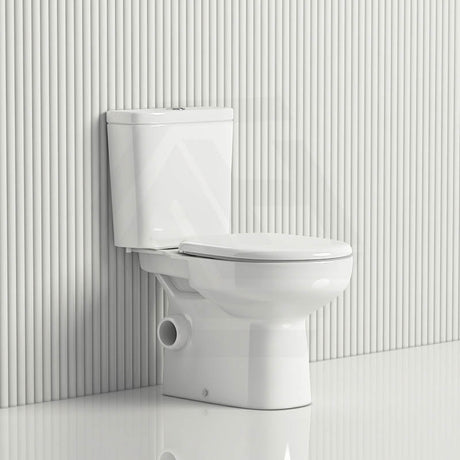
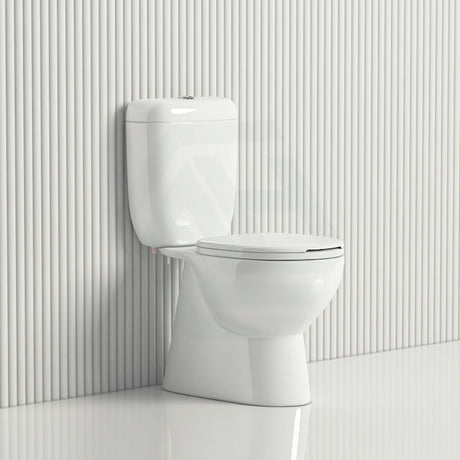
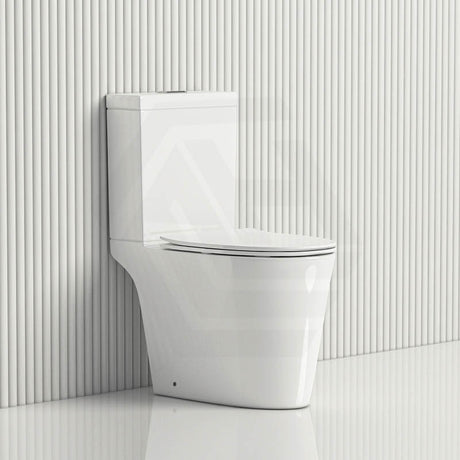
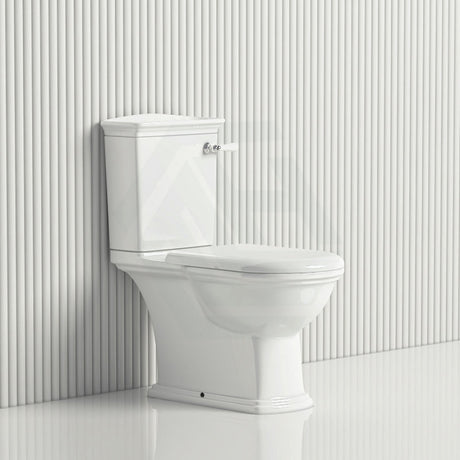
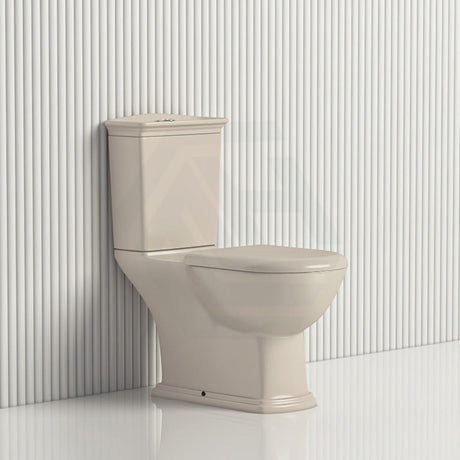
A close coupled toilet is the toilet design most Australians are familiar with. The key difference here is that the cistern is mounted directly on top of the bowl. That means the two components are bolted together and form a unit. The "close coupled" bit refers to the two parts physically being coupled together with no space between them. You've probably already used a close coupled toilet. If it's your average toilet in your house, or in a standard hotel room somewhere, odds are it's close coupled. The cistern and bowl are connected via an internal flush pipe, meaning there are no external pipes in sight. The cistern bolts to a shelf at the back of the bowl, and this makes installation simple. A plumbing professional can get it installed in less than two hours, and they have all the parts you need, so you won't run into any delays waiting on a plumber if parts need to be replaced.

Close coupled vs back to wall — the honest comparison
This comparison is usually the one that comes up when it comes to buying a toilet. This close coupled vs back to wall toilet comparison covers the two most popular residential styles in Australia. Back to wall toilets come with the cistern concealed inside the wall. Only the pan and flush plate are in view. Looks a bit cleaner, you might argue, but there is more work to do, wall cavity work and a concealed cistern frame that means it will be a much bigger plumbing job. A close coupled toilet, on the other hand, is pretty much plug and play, the cistern sits out in the open but it's small enough that it's barely noticeable in a bathroom. The cistern is in full view, so if something goes wrong you're just removing a lid instead of cutting a panel into the wall. In terms of cost, a close coupled toilet is usually $300 to $600 for a good quality toilet suite. Whereas a back to wall can go up to $800 to $1,500 or more.

The Pros
Let's talk about the advantages of a close coupled toilet. The main selling point is that they're the cheapest option. Close coupled toilets are the most affordable style of toilet in either a new build or a renovation. Not only is the cost of the toilets themselves cheaper, but it will also cost less to install because there is minimal work from a plumber. They're easy to maintain. Everything is right there to access, just lift the lid and take a look at the fill valve. Or change out the flapper if it's needed. There are no wall panels you have to remove to access these parts, and you don't need to call a plumbing specialist to fix common issues. For anyone who has done a running toilet fix on a late, late Sunday night (and that's a true fact about me, don't ask), this is worth it. They're easy to find. A close coupled toilet can be found at most plumbing suppliers in Australia and there are a lot of designs available. This means replacement parts, and even toilet seats and flush mechanisms, are easy to find because they're compatible across close coupled toilet brands. There are different types of toilets in the close coupled category, like comfort height, compact, and round or elongated pan options.

The Cons
Of course the cistern does take up more space, if you have a small ensuite bathroom or even a small powder room you will notice a difference in space around the unit, the cistern is literally attached to the wall, which can make small bathrooms feel more cramped than they actually are. It is also trickier to clean around. Again, because the cistern is attached to the wall, you will find it harder to clean the cistern from both the back and the sides, and again because the cistern is connected to the bowl there is a harder place to clean. This makes it less convenient, especially if you have small children, because the dust build-up can be more difficult to keep clean. A back to wall toilet will not have this same issue. Another disadvantage of the close coupled toilet is that is more of a traditional style toilet, if your bathroom is contemporary in look it may not be the best look for your bathroom. But, with technology the close coupled toilet has advanced significantly, with modern toilets now being more sleek and modern. If you would like to upgrade to a modern toilet without the full renovation, a bidet and toilet seat option is one to consider. These seats and bids can mostly fit over a close coupled toilet.

Choosing the right toilet for your bathroom
So, to help you pick the right toilet for your bathroom, we have outlined what will be the best option for you depending on your budget, bathroom space and preference. If you are looking at back to wall vs wall hung toilet style the wall hung toilet takes the same features as a back to wall and then raises the toilet above the floor, so the whole toilet unit isn't actually touching the floor. Wall hung toilets look very striking and modern, are very easy to clean and work well with modern bathroom designs. But of course because of the complexity of installation the wall hung toilet is also the most expensive style and it requires a very strong frame bolted into the wall structure. But for most bathroom renovations in Australia, a close coupled toilet works better, is a lot more affordable, more functional and more readily available than the other styles. The modern toilet lid with bidet seat and bidet wc seat can work with most close coupled toilets, as they fit directly onto the standard toilets with a simple connection to the water supply, and can be installed in about thirty minutes which is an easy upgrade which is very functional.