

07 May, 2026
Are Smart Toilets Worth It? Features, Costs and Honest Review
Are smart toilets worth it? Honest review of features, costs and installation for Australian homes. Compare with bidet seats and decide if the luxury upgrade is right for you.

What Is a Smart Toilet and What Does It Actually Do?
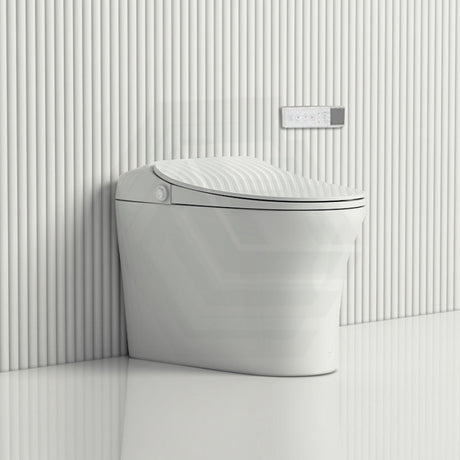
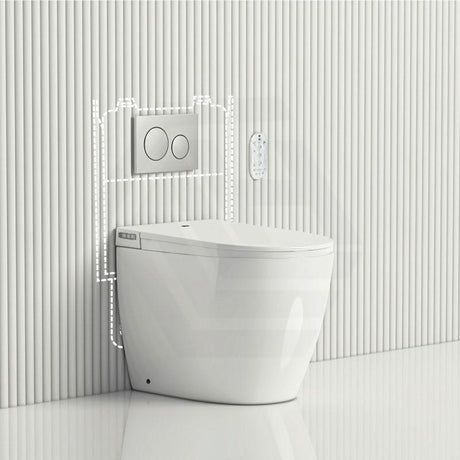
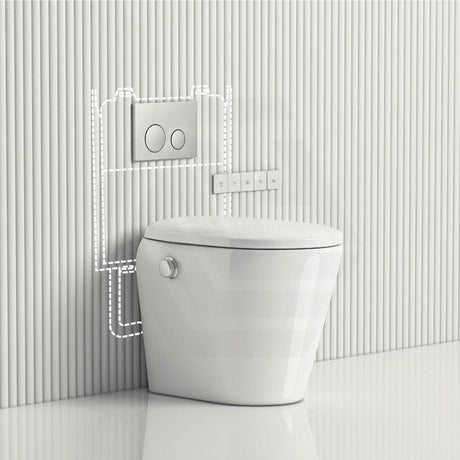
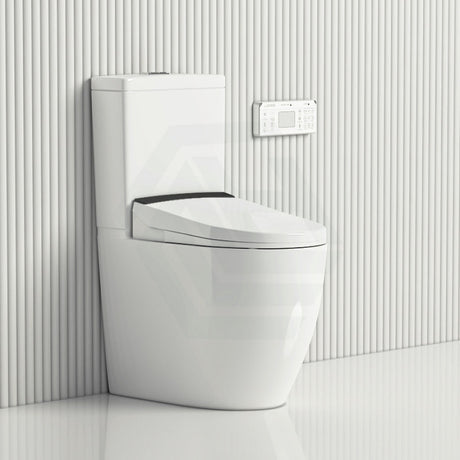
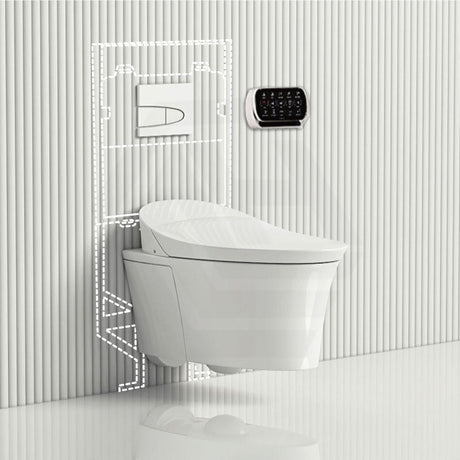
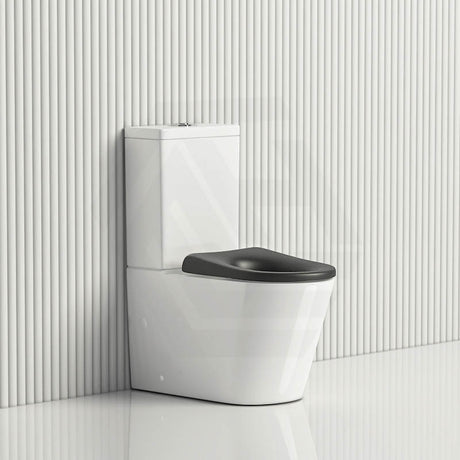
A smart toilet is a suite with the electronic functions integrated directly into the product itself, and not fitted afterwards. I'm talking about a toilet where the flushing, cleaning, seat warming, warm-air drying, lid movement and some even incorporate a deodoriser, all in one piece of porcelain and none of it being bolt-on. This isn't a toilet pan with a smart toilet seat cover attached; while the experience is similar, the smart toilet is a single product.
The electrical elements, such as the seat warming element, automatic flush and warm-air dryer, need a dedicated power point in or near the toilet space, installed by a licensed electrician (AS/NZS 3000:2018). The pipework for water and waste connections to the toilet itself is a licensed plumber's job. I'm mentioning that here to flag the impact it has on the overall installation costs.

Smart Toilet Features: Worth the Price or Just Gimmicks?
Not every feature on the specs sheet warrants the additional money you have to pay. After looking closely at these products, my view is the truly valuable smart toilet features are:
- Seat warming — especially useful for Melbourne, Canberra and Hobart winters with cold bathrooms and cold tile flooring, particularly on a morning.
- Posterior and feminine wash modes with adjustable water pressure and temperature.
- Self-cleaning nozzle — this is basic hygiene, not some extra.
- Warm-air dryer — this will definitely result in less toilet paper consumption.
- Night light — not a luxury when you just have to get up at 2 am and don't want to blind yourself in the process.
The smart toilet features I'd rate low for priority are: Bluetooth audio speakers, ambient colour lighting and automatic open/close lids. These only add to the price and are the first items to go wrong when electronic failures start to creep in.
Regarding how to use a bidet function if you haven't used this style of toilet before — you simply select the wash type you prefer on the remote control or the side panel, sit on the seat, and the retractable nozzle extends out beneath you and washes with adjustable water temperature and pressure. A warm-air dryer finishes the process. It's very intuitive after about two uses.
Are heated toilet seats worth it when it comes to running cost? The heater draws roughly 20–30 watts. At average Australian electricity tariffs, that translates to under $30 per year. If you're in a southern state with colder winters, my answer is yes, definitely.

Smart Toilet Costs in Australia: Purchase, Installation and Running Expenses
Now we're getting to the reality of owning a smart toilet. In Australia, smart toilets are a premium product category, starting around $1,619 and reaching $6,205 or more for top-end units. There is no cheap, entry-level smart toilet.
Broadly the price tiers are:
- Entry-level ($1,619–$2,500) — heated seat, basic wash modes, auto-flush.
- Mid-range ($2,500–$4,000) — includes warm-air dryer, self-cleaning nozzle, enhanced wash pressure control. 3. Premium ($4,000–$6,205+) — fully loaded with high-spec ceramics from leading brands such as Kohler and Poseidon.
Installation costs: a licensed plumber to connect water supply and waste typically runs $150–$400 (AS/NZS 3500.2) depending on your state and existing rough-in configuration. If there is no power point nearby — as is common in many older Australian bathrooms — a licensed electrician will need to install one, adding $100–$250. Your licensed plumber must issue a compliance certificate (state plumbing licensing legislation) on completion, as required by your state's plumbing licensing legislation. That covers the installation side — but the product itself has to clear its own compliance hurdles too.
Beyond the installer obligations, the product itself must also meet regulatory standards — every smart toilet sold in Australia must carry WaterMark certification (WaterMark Certification Scheme) and be WELS registered. If a product lacks either, do not buy it.

Smart Toilet vs Bidet Seat: Which One Makes More Sense for Your Bathroom?
With that cost breakdown in mind, things look different.
A retrofit smart toilet seat cover — see toilet lid with bidet options — fits over almost any S-trap or P-trap toilet pan without a plumbing change. It just needs a nearby power point. With an upfront cost anywhere from $80 to $1,846, it is a much smaller investment than a full smart toilet suite.
Looking across a range of toilet & bidet seats, you can find a bidet with seat that features a heated seat, a wide range of wash modes and warm-air drying for a fraction of an integrated unit's price. The feature set is comparable at the mid-range level.
The smart toilet does have a better overall look as a single seamless unit with no visible seat attachment. If you're doing a full new build or new bathroom and you know your rough-in size from the outset, a smart toilet makes more sense. If you're fitting into an existing bathroom, the extra cost and disruption is harder to justify.

Are Smart Toilets Worth It? An Australian Verdict
So are smart toilets worth it? The answer is yes — but it genuinely depends on your situation.
I'd recommend a smart toilet if you're doing a full bathroom renovation or new build, or if you're building for accessibility and want a premium all-in-one fixture.
However, if you're upgrading an existing bathroom with a toilet suite that works fine, a bidet with seat delivers 80–90% of the hygiene and comfort benefits at a much lower price point.
Before purchasing either, confirm: WaterMark certification is present; the unit suits your rough-in position (100–120mm for S-trap, 185mm for P-trap); a power point is accessible; and engage a licensed plumber and a licensed electrician from the outset. Combined, a straightforward swap-out typically takes two to four hours across both trades.
Are smart toilets worth it? For a new build or full renovation, yes. Just make sure you know exactly what you're paying for.
References
AS/NZS 3000:2018 Electrical Installations (Wiring Rules), Standards Australia
AS/NZS 3500.2 Plumbing and Drainage — Sanitary Plumbing and Drainage, Standards Australia
State plumbing licensing legislation (VBA Victoria; Fair Trading NSW; QBCC Queensland; Building Practitioners Board WA; CBOS Tasmania; ACTPLA ACT; Building & Energy SA; ABPB NT)
WaterMark Certification Scheme, Australian Building Codes Board