13 July, 2026
How to Fix Water Pressure in Shower: Australian Standards and Practical Tips
Learn how to fix water pressure in shower using Australian standards, common causes and fittings, plus when to call a licensed plumber.

Standing under a trickle of water when you just want a decent shower is enough to test anyone's patience. In my experience, the fix comes down to three things: diagnose the actual cause, check it against the standard, then work through the DIY options before calling a licensed plumber. Residential water supply in Australia is generally required to sit between 200 kPa and 500 kPa static pressure, so anything below that isn't bad luck — it's a genuine fault. Clogged showerheads, corroded old pipework, faulty pressure-limiting valves and gravity-fed tanks are the usual culprits, and most homeowners can rule a few of these out themselves before spending a cent on repairs.
Video Credit: Ultra Plumbing & Drain Cleaning
Understanding Water Pressure Problems in Australian Showers
Low water pressure in the shower is one of those problems nobody seems to notice until you're trying to shampoo your hair in the middle of winter and barely any water is coming out. I'd say it was one of the top three jobs I got sent out to do over the years – after the leaking tap and the pipes knocking at night.
Water pressure is measured in kilopascals (kPa), not psi if you are reading any international guides. And flow rate is measured in litres/minute (L/min). They're two different things that happen to be connected. You may have a water pressure that seems reasonable, but the flow rate could still be low if there's a blockage further down the line.
Many older houses in Australia, particularly those built before the 1980s, may still have galvanised steel pipework somewhere in the system. Over time, the inside of these pipes corrodes and narrows, which reduces flow long before the water reaches the showerhead. If you're renovating a property with old plumbing, I'm going to put my money on this being part of your issue.

Australian Standards for Water Pressure and Flow Rate
Now that you've seen what a shower pressure problem looks like, let's discuss the standard your plumbing should be meeting in Australia:
Residential water supply in Australia is generally required to sit between 200 kPa and 500 kPa static pressure, with plumbing systems designed around these limits to protect fittings and prevent pipe damage. Hot water delivered to bathroom outlets is also capped for safety reasons, with a maximum of 50°C at the tap to prevent scalding (AS/NZS 3500.4:2025). That's useful information if you pull apart your shower fittings only to be told by a plumber that the real issue is a tempering valve delivering water below 50°C, not the shower itself.
Having these figures at hand is a useful guide. If a plumber comes out and measures a static pressure below 200 kPa for your plumbing, then you have a very good case of water pressure fault that you can be certain isn't bad luck.

Common Causes of Low Shower Pressure and How to Diagnose Them
Now that you have the range of compliant water pressures, let's find out the reasons why you might be falling short.
Clogged showerhead. The most common cause for low water pressure, and an easy fix to start with. The flow rate through the showerhead is reduced by debris and mineral buildup – more of an issue with hard water areas, the holes get clogged up.
Corroded galvanised pipework. Over years these pipes gradually restrict flow, so if you own an older home it might only become an issue once they are very badly corroded.
If the pressure-limiting valve on your main water supply has slipped or is incorrectly adjusted, you may notice that only your shower is experiencing low pressure, rather than the whole house.
In older duplexes and multi-unit developments where there is one large system that heats the water and distributes it to a whole row of homes, the act of someone using water in their kitchen can cause a drop in your shower pressure.
Many homes, particularly older rural properties, still run a gravity-fed tank which does not have the same pressure as mains-fed homes.
In order to diagnose your problem for yourself, work out whether your shower only has low hot water pressure or only low cold water pressure — or is it just low overall? A simple pressure gauge test at home can also help; most hardware stores sell inexpensive gauges, and a reading below 200 kPa points to a genuine fault. However, when it comes to actual repairs, this is not something you can or should do yourself. According to plumbing licensing legislation in each of the States and Territories (check your state requirements), any repairs or alterations to your supply pipes must be done by a licensed plumber, who will issue a compliance certificate once the work has been done.

DIY Fixes: Tools, Fittings and Upgrades to Restore Pressure
Once you have established a cause for the low pressure problem, here's how to fix water pressure in shower yourself with several simple and cheap methods most homeowners can manage.
Soaking your shower head in a solution of one part white vinegar to one part water overnight can remove limescale. There is also no soldering or brazing involved in taking your shower head off by hand or using a wrench wrapped with a cloth, and so this is within the DIY capabilities of most people.
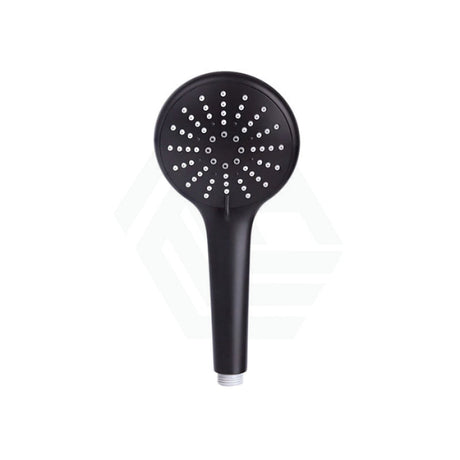
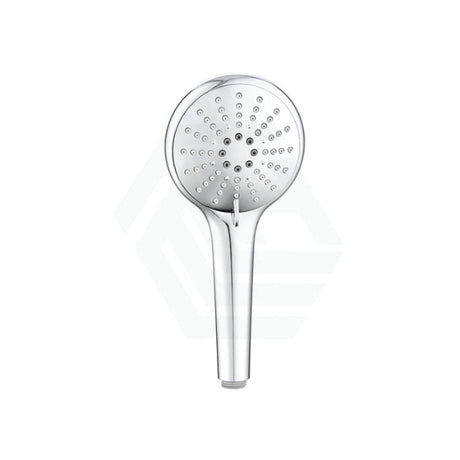
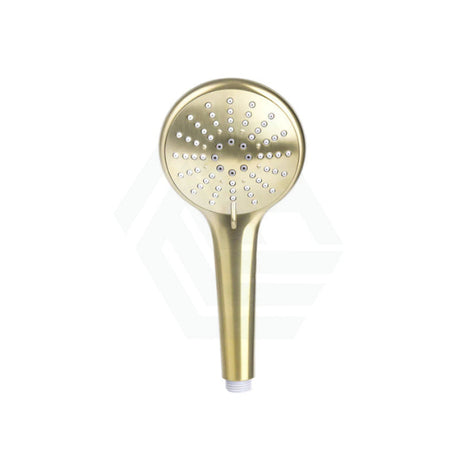
Another thing to check is the flow restrictor or aerator on the shower head. These small plastic discs are designed to help regulate and conserve the flow of water. Sometimes a restrictor has been damaged or isn't fitted properly, which can severely reduce the water pressure of your shower — in these cases, removing or replacing the restrictor can fix what otherwise seems like a faulty showerhead.
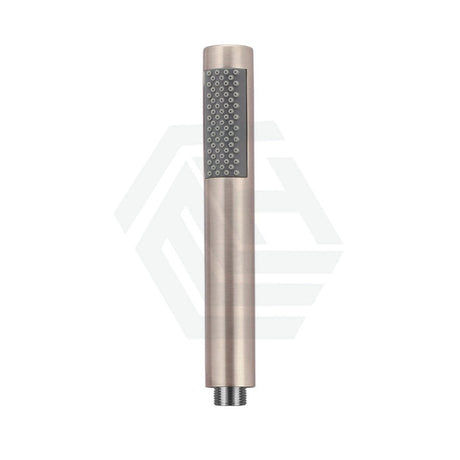
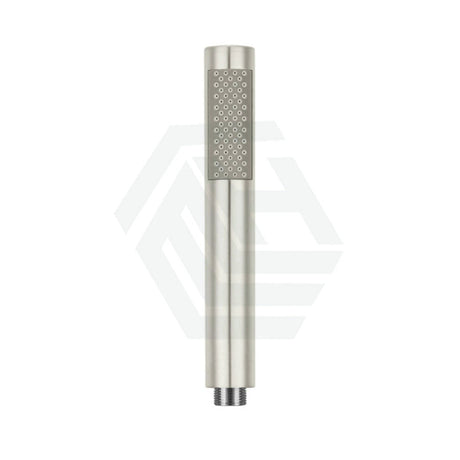
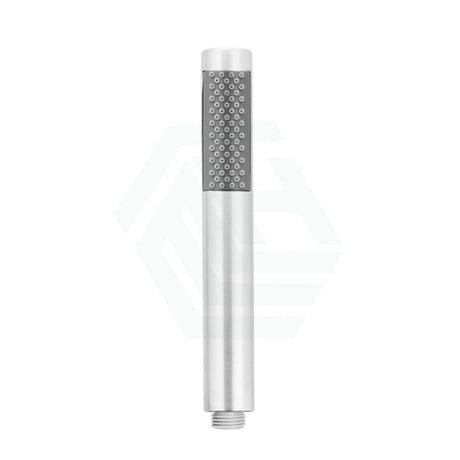
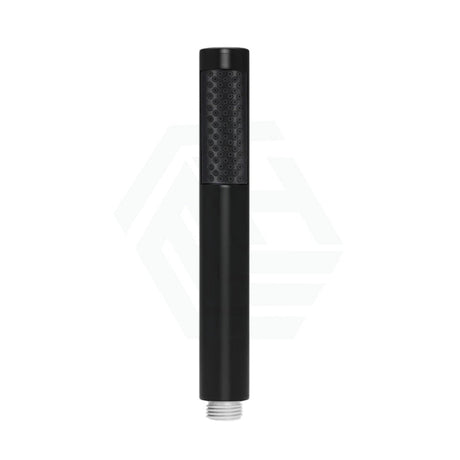
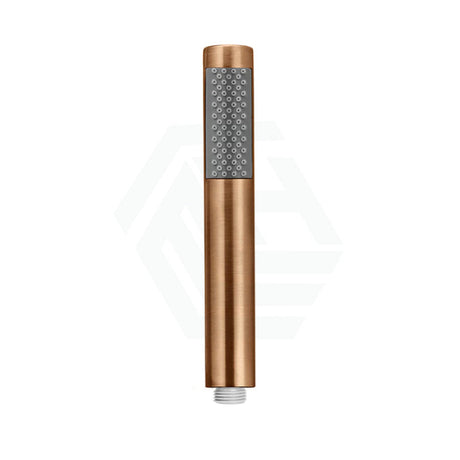
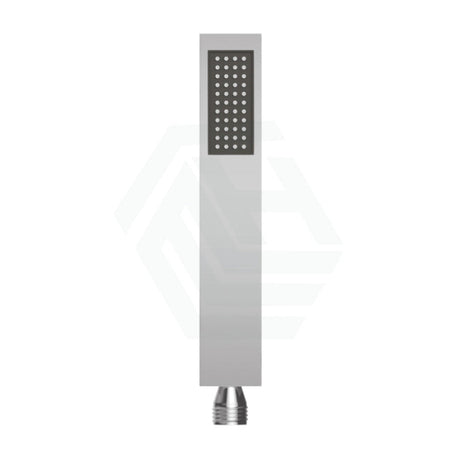
And finally, if your shower is part of a hand-held set, have a look at your bath hose — kinks, old worn-out hoses, and narrow hoses will limit water pressure. Replacing your bath hose with one that is wider and WaterMark certified can be a cheap option under $50 that most homeowners can carry out themselves.
When to Call a Professional: if none of the above resolves the issue, don't attempt any work on the supply pipes, tapware or wall-arm fittings yourself. A licensed plumber callout and pressure test typically costs between $120 and $250 in most Australian states, and a licensed plumber will assess and repair the actual fault.

Choosing the Right Bath and Shower Fittings for Better Performance
If DIY methods haven't shown you how to fix water pressure in shower fully, replacing your bath and shower fittings may be all that is left.
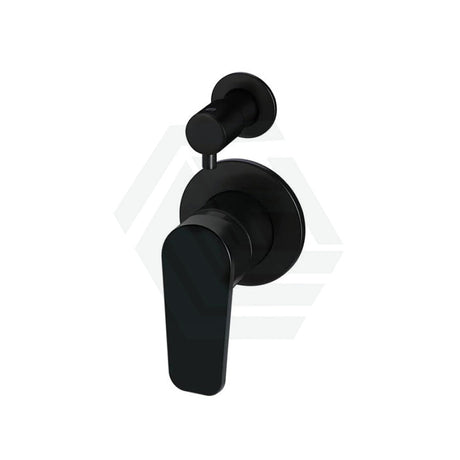
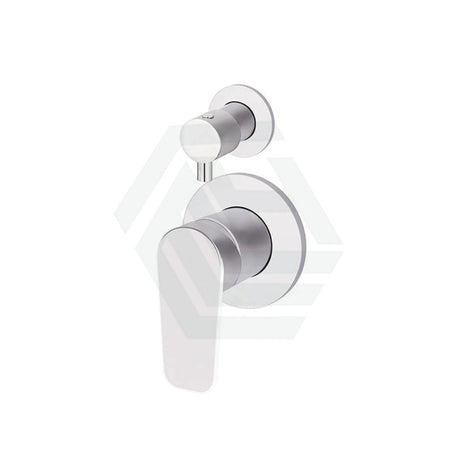
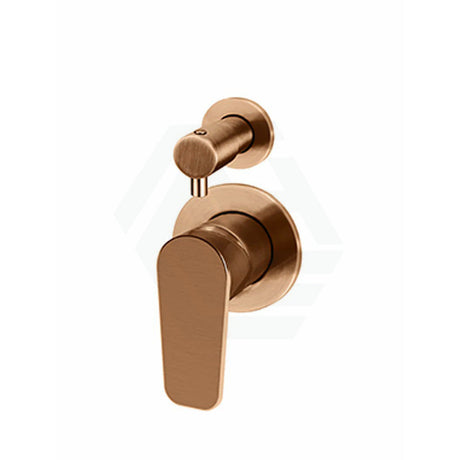
You may consider replacing your bath and shower tapware, or perhaps even adding new freestanding bath tapware — either or both — when you install a new bath and shower enclosure. With regards to bath tapware, you can choose between tapware which has a higher rated flow rate or a higher WELS water efficiency star rating. All showerheads, hand showers and baths, as well as all tapware with integral showerheads, must be registered under the WELS Certification Scheme, and must have WELS labelling affixed to the product prior to sale. The labelling is set out in the Australian Standard AS/NZS 6400:2016.
The higher the star rating, the greater the water efficiency of the product, however, when choosing tapware with high WELS star ratings, check the flow rate figures too. Some products with a high star rating may have a flow rate that just doesn't work for your home, and you won't know this until you check the rating. A well-fitted bath shower enclosure with quality tapware can also look beautiful for a minimum of fifteen years, not just five. A bath shower enclosure on its own will not correct any water pressure issues — it isn't designed to, as it isn't part of the flow of water — however, quality bath and shower tapware compatible with your enclosure will allow the enclosure to work properly.
References
AS/NZS 3500.4:2025 Plumbing and Drainage — Heated Water Services, Standards Australia
State and territory plumbing licensing authorities (Building and Plumbing Commission Victoria; Building Commission NSW / NSW Fair Trading; Queensland Building and Construction Commission; Plumbers Licensing Board Western Australia (administered by Building and Energy); Consumer, Building and Occupational Services Tasmania; Access Canberra ACT; Office of the Technical Regulator / Consumer and Business Services South Australia; Plumbers and Drainers Licensing Board Northern Territory)
WaterMark Certification Scheme, Australian Building Codes Board
AS/NZS 6400:2016 Water efficient products — Rating and labelling (incorporating Amendment No. 1:2022 and Amendment No. 2:2022), Standards Australia