07 September, 2026
Lift-Off Hinges & Toilet Door Regulations in Australia
Understand lift-off hinges toilet doors regulations under NCC 2025 and AS 1428.1:2021. Essential guidance for compliant accessible toilet door hardware.

A toilet door that looks perfectly ordinary can become a serious safety liability the moment someone needs emergency access from the outside. In Australia, the National Construction Code 2025 and AS 1428.1:2021 set clear requirements for accessible and ambulant toilet doors — and the hardware you choose must meet them. The core compliance solution is a lift-off hinge: a two-leaf design where the door can be removed from outside in an emergency without a tool, key, or damage. Getting the specification right also means understanding clear opening widths, load ratings up to 45 kg, and the correct grade of stainless steel for the environment.
Video Credit: EquipMeOT
What Are Lift-Off Hinges and Why Are They Used on Toilet Doors?
Lift-off hinges are essential in the correct application to ensure that a door is compliant with Australian Standards in an accessible toilet. In situations where a toilet door opens into a small toilet compartment, it is often mandatory to have a door that can be removed from the outside if an emergency occurs. This is often referred to as the door being removable in an emergency or egress from the door. A door can be made egress compliant by fitting a specific type of hinge that allows the door to be removed from the outside without a tool. These hinges are commonly referred to as toilet hinges, quick release hinges, or lift-off hinges.

Australian Regulations Governing Toilet Door Hardware
Understanding lift-off hinges toilet doors regulations in Australia begins with the key regulatory instruments: the National Construction Code 2025 and AS 1428.1:2021, Design for Access and Mobility.
A compliant toilet is covered under the NCC 2025 and the ABCB Livable Housing Design Standard. To meet compliance, the doorway of any sanitary compartment located on a ground- or entry-level floor must have a clear opening width of 820 mm (NCC 2025, ABCB Livable Housing Design Standard), allowing for the depth of the frame and door. A compliant door also needs a clear width, measured between the opposing finished surfaces on either side of the toilet pan, of no less than 900 mm.
For accessible and ambulant facilities in commercial or public buildings, AS 1428.1:2021 introduces the emergency-access requirement that directly drives the specification of lift-off hinges. The standard requires that accessible toilet doors be capable of being opened outward or removed from outside in an emergency. A lift-off hinge satisfies the removable pathway. A standard butt hinge does not, and is non-compliant for this purpose.
Door-opening force limits also apply — doors must not require excessive force to operate, which is a consideration when selecting hinge weight ratings and door closers in the same assembly.

How Lift-Off Hinges Meet Accessibility and Safety Requirements
These hinges are commonly found on interior bathroom doors and can be distinguished from standard hinge types in that the two leaves of the hinge are separate, where the barrel of one leaf is positioned over the pin of the other leaf. This allows the door to be quickly lifted off the pin, in many cases in less than 30 seconds, without a tool, key, or damage. A standard or butt hinge has a pinned, fixed barrel that does not allow the door to be removed from the frame, and will not be compliant with AS 1428.1:2021 for a removable door in an emergency.
| Application Context | Hinge Size | Material / Grade | Load Rating | Typical Finishes |
|---|---|---|---|---|
| Residential inward-opening door | 100 mm | Zinc alloy | Up to 40 kg | Chrome, brushed nickel, satin stainless steel |
| Residential solid-core door | 100 mm | Zinc alloy or stainless steel | Up to 45 kg | Chrome, brushed nickel, satin stainless steel |
| Internal bathroom (commercial) | 100 mm | Grade 304 stainless steel | Up to 45 kg | Match door frame colour |
| Coastal, external or high-humidity | 100 mm | Grade 316 stainless steel | Up to 45 kg | Match door frame colour |
| Ambulant toilet cubicle | 100 mm | Grade 304 or 316 stainless steel | Up to 45 kg | Left and right hand available |
When considering what type of lift-off hinge will be required for the correct application, the following should be noted:
- Where an inward opening door is required to be removable from the outside in an emergency, a lift-off type hinge will be required to comply with AS 1428.1:2021. - Standard size toilet doors will generally have 100 mm hinges. In residential applications a zinc alloy hinge is sufficient; however, if the accessible door is a solid-core door then a high load rated hinge capable of supporting up to 45 kg may be required. - Grade 304 stainless steel hinges are typically used in an internal bathroom application; however, in a coastal, external or high-humidity environment a grade 316 stainless steel hinge is preferred. - Colour options for residential applications are typically available in chrome, brushed nickel and satin stainless steel finishes. For commercial applications the hinge will generally need to match the colour of the door frame and door. - In a fully accessible toilet there needs to be a circulation space from the front of the toilet pan of 1200 mm in depth by 900 mm wide. In some situations the lift-off hinge may not be required, but you will still need the egress compliant set of door hardware to meet AS 1428.1:2021, which will include a door closer that meets the opening force compliance requirements as well as the compliant clearances. - In an ambulant toilet (also referred to as limited accessibility) there is also a requirement for the door to be able to be removed in an emergency without a tool. These types of toilets are designed for people with restricted mobility who do not use wheelchairs. The door may be required to be removable from either side without a tool, in which case a lift-off hinge will also be required. Ensure the hinge is available as both left and right hand. Note that ambulant cubicles require an 850 mm clear opening, which differs from the fully accessible standard.
It is important to note that lift-off hinges do have a direction, being either right or left-hand. The most common error made is specifying the incorrect type of hinge that does not allow the door to be removed from the approach side without tools. Ensure the knuckle projects from the door to the correct side.
Most door types will have two hinges as standard, but it is important to check the maximum load the hinge is suitable for, and use three hinges for solid-core doors in excess of 40 kg. Where the door hinges are incorrectly specified it can result in sagging of the door, which will prevent it lifting off the hinge pin.

Toilet Types and Door Configurations That Require Lift-Off Hinges
Understanding lift-off hinges toilet doors regulations also means knowing which configurations trigger compliance obligations. These hinges are commonly specified in the following applications:
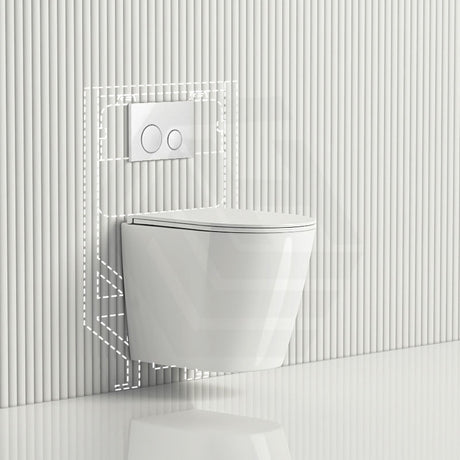
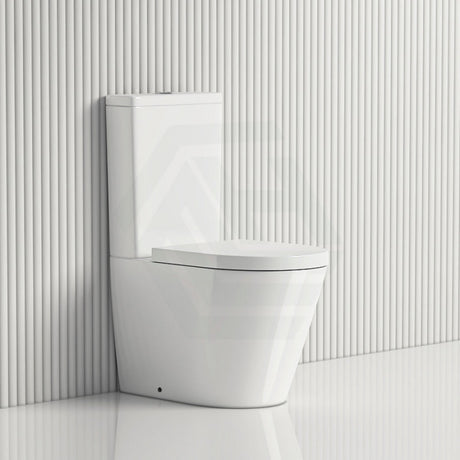
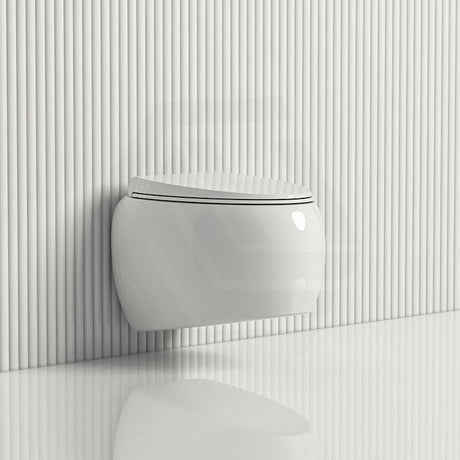
- A back to wall toilet with a concealed cistern where the toilet pan is closer to the door and the door opens into the room. A lift-off hinge in this situation would be required to comply with the accessibility requirements for toilets. The circulation space from the front of the toilet pan must be 1200 mm in depth by 900 mm wide. - An ambulant toilet is a specific accessible toilet for use by the ambulant disabled. The door may need to be removable without tools from either side and therefore a specific lift-off hinge will be required. - In some circumstances, standard hinges will not be compliant, and the door frame may need to be modified for the correct specification. Speak to a licensed builder and/or certifier for more technical advice, and check your state/territory requirements.

Choosing and Installing Lift-Off Hinges for Compliant Toilet Doors
Selecting the right lift-off hinges toilet doors regulations-compliant product requires attention to both hardware compatibility and brand quality. Metlam offer a comprehensive range of accessible and commercial bathroom compliant hardware and accessories. It is best to buy all the door accessories from a range that has been tested for compatibility together. Please note that compliance is not only about the door hardware — you need to ensure that the frame, door, closer, and fixings are all compliant as well.
Fienza also offer a comprehensive range of compliant hardware for accessible and commercial bathroom applications.
References
National Construction Code 2025, ABCB Livable Housing Design Standard, Part 3 Internal doors and corridors and Part 4 Sanitary compartment
AS 1428.1:2021 Design for access and mobility, Part 1: General requirements for access — New building work, Standards Australia