13 May, 2026
Modern Bathroom Ideas: Clean Lines and Contemporary Design
Discover modern bathroom ideas built on clean lines and hidden storage. Practical Australian design tips for a sleek, contemporary bathroom.

Video Credit: Decorants
What's the Real Secret Behind That Modern Bathroom Look? Design Principles Worth Knowing
You walk in, there's nothing underfoot, everything's put away and there is a spot for each thing, and each thing in its spot. That quiet logic is what modern bathroom design is built on. Easier to pull off than most people expect, honestly. Hidden storage, flush joinery, a restrained colour palette — those three things are what separates modern from everything else.
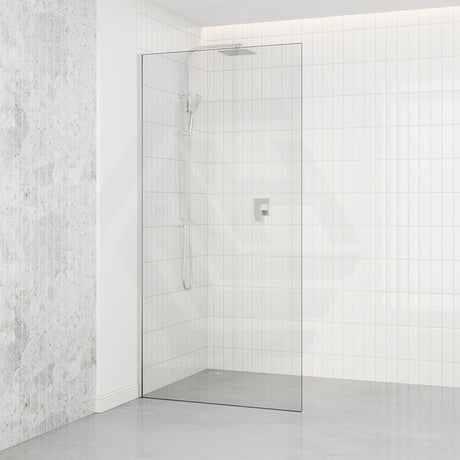
Frameless shower screens, wall-hung toilets, handle-less cabinet fronts — the eye tracks horizontal and vertical lines, and each of those elements keeps that movement clean and unbroken. Your layout's balance is worth leaning into. Line up the vanity with the mirror above it, then bring the towel rail into that same vertical axis as the shower screen — small moves, big payoff. Plan it all upfront — a deliberate design reads completely differently to a room that's just had ideas thrown at it.
Empty space is just as important to the finished look as objects in that space are. An open wall, a clear floor and benchtops without things on them doesn't make a space look unfinished. It is a sign of a well-designed bathroom. Recessed niches and concealed in-wall cistern systems give flush surfaces rather than clutter and protruding fittings. Wall-hung toilets with in-wall cisterns need to be installed by a licensed plumber, so factor this into your planning early. Waterproofing cure time between coats requires a minimum of 24–48 hours — never rush this step. Ventilation is also non-negotiable — windowless bathrooms must provide exhaust extraction of at least 25 L/s (NCC 2022, ABCB Housing Provisions, Part 10.8).
Once the structural principles are clear, the next step is selecting the specific materials and surface finishes that bring those clean lines to life — and understanding how each option performs in a wet Australian environment.

Materials and Finishes That Drive the Contemporary Bathroom Look
Choosing the right materials could be one of the biggest decisions you make when it comes to your modern bathroom ideas. Large-format porcelain tiles are currently the go-to in the contemporary bathroom. 600×600 mm tiles are the entry point and 1200×600 mm formats deliver the most visual drama. Fewer grout lines result in cleaner lines. This style of tile comes in stone-look, concrete-look or marble-look finishes, so any choice with a colour palette that leans modern and restrained is a suitable fit. Large-format porcelain tiles cost anywhere between $6 to $698 per piece, depending on the finish and format selected. A professional should install these tiles as substrate preparation is required and cannot be skipped.
For floor tiles, a slip-resistant option is required. P3 or P4 rated tiles are recommended for wet areas, and waterproofing compliance is equally important to get right. All wet-area waterproofing must meet the relevant standards — shower walls need waterproofing to at least 1800 mm (NCC 2022, ABCB Housing Provisions, Part 10.2) above the floor substrate, and wall-to-floor junctions require horizontal flashing legs of at least 40 mm.
For benchtops in a clean-lined bathroom, honed or matte engineered stone just makes sense. Tough, low-maintenance, and it plays well with warm and cool tile palettes alike. On a matte finish, water marks barely register — handy in a bathroom that sees a lot of daily use.
Materials matter, sure — but the layout within the room's footprint is what separates a genuinely minimalist bathroom from a mood board that never quite lands.

Minimalist Bathroom Layouts: Space Planning and Sizing
The layout of your bathroom has huge implications for your modern bathroom ideas. A common error is a shower recess that is too small. The minimum is 900×900 mm; for genuine everyday comfort you need a 1200×900 mm shower. In a modern bathroom, the shower area is often the centrepiece and deserves the space — but clearances elsewhere in the room matter just as much.
New dwellings in Australia require a minimum 820 mm (NCC 2022, ABCB Housing Provisions, Part 12.2) clear door opening and a 900×1200 mm clear zone in front of the toilet. A standard vanity depth runs between 450 mm and 550 mm, meaning you can still have comfortable floor space in a 4 m² bathroom. A wall-hung vanity creates the illusion of more floor space as well. Allow at least 300 mm between your vanity cabinet and a door swing. In smaller bathroom layouts, a sliding or pocket door are excellent solutions. A full wet-area bathroom renovation in Australia typically takes four to six weeks from demolition to completion.

Selecting a Modern Bath Vanity for the Contemporary Bathroom
A wall-hung modern bath vanity is part of the design, with the cabinet base floating above the floor. The price range is from $50 up to $2,828. They come in 600 mm, 750 mm, 900 mm, 1200 mm and 1500 mm widths — measure from plumbing to wall obstruction before ordering. PVC boards are fully waterproof and the most affordable option. MDF boards require a moisture-resistant finish but are a cheaper option. Plywood offers better resistance to moisture with the added beauty of natural wood grain. Explore Aulic for Australian-made premium plywood vanities.
If you want a little warmth without straying from modern bathroom design ideas, consider a curve vanity cabinet. Confirm internal drawer sizes prior to purchase. Lukka and CETO both offer a variety of straight-edge and curved vanity profiles to suit your style. You may also wish to consider your basin mixer tap, which is not always sold with your modern bath vanity and is available in a range of finishes such as matte black or brushed nickel.

Designing a Bathroom Feature Wall That Works Hard
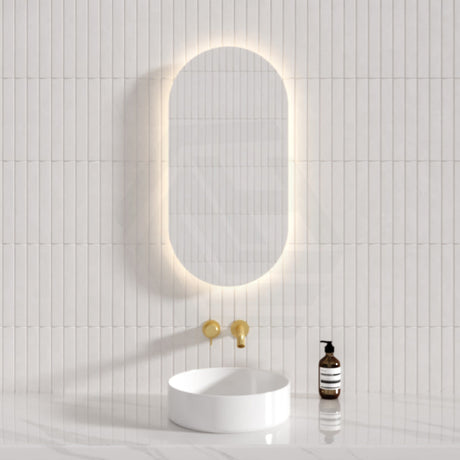
A bathroom feature wall is a place to make a statement while adding utility. This can include a recessed niche for shower products (minimum 100 mm deep), an LED mirror, or an electric heated towel rail such as those from ThermoGroup. Note: an LED mirror and electric heated towel rail must be installed by a licensed electrician with RCD protection suitable for wet areas.
Fluted porcelain tiles are a strong trend for feature walls right now. In larger bathrooms, a book-matched large-format porcelain slab that resembles natural stone makes a striking alternative. Textural finishes such as organic plaster render are another direction worth considering. Whatever finish you choose, all areas of the bathroom feature wall in new builds or reno projects require waterproofing to AS 3740:2021, installed by a licensed waterproofing professional.
A curved vanity works especially well alongside fluted wall tiles or a porcelain slab — the curve of the cabinet creates a contrast to linear tile patterns or the veining of a stone-look finish. It is a subtle but considered detail within your overall modern bathroom ideas.
References
National Construction Code 2022, ABCB Housing Provisions, Part 10.8 Condensation Management
National Construction Code 2022, ABCB Housing Provisions, Part 10.2 Wet Areas
National Construction Code 2022, ABCB Housing Provisions, Part 12.2 Livable Housing
AS 3740:2021 Waterproofing of Domestic Wet Areas, Standards Australia