30 April, 2026
Japanese Bathroom Design: Creating a Minimalist Retreat at Home
Japanese bathroom design ideas for Australian homes: minimalist soaking tubs, natural materials, wet room layouts and serene zen-inspired spaces. Practical tips to create a calming Japanese bathing retreat.

The Philosophy Behind Japanese Bathroom Design
Japanese bathrooms are not just spaces to get clean, they are places of ritual, calm and rejuvenation. In traditional Japanese bathing culture, you have a specific routine. First you clean yourself, outside of the tub. Only then do you get into a soak. Separating the washing area from the soaking area is fundamental, as are zoning the wet and dry areas, and knowing the purpose of each item in the space. Imagine a space where the timber, stone and water do all the talking, and the rest of the room gets out of the way! One of the best reasons for Australian homeowners to embrace this philosophy is that simplicity, in this case, is not about cold, but about calm. You do not strip the room to the bone, but rather clear some breathing room so the materials can shine.

Key Elements: Soaking Tubs, Wet Rooms and Natural Materials
The ofuro, a soaking tub, is the focal point of a traditional japanese bathroom. Different to Western bathtubs, an ofuro is shorter (typically 1000 to 1200 mm) but significantly deeper. You sit upright in an ofuro with water reaching your shoulders.
Wet rooms are another feature of Japanese bathing culture. Without a separate shower enclosure or screen, the entire bathroom floor is waterproofed and drained in the middle of the room. Your shower space can be open in the room (or, minimally, with a simple timber bench and handheld showerhead). Because of the open area, the shower can be more integrated into your overall bathroom design.
Natural materials are another important feature. Hinoki cypress is the classic timber choice, prized for its warm golden colour and gorgeous scent when wet. You can pair your hinoki with stone basins, a pebble mosaic tile feature on your bathroom floor or bamboo bath accessories.

Adapting Japanese and Minimalist Principles for Australian Homes
When bringing the japanese bathroom experience to an Australian home, there are several things to keep in mind. First, timber choices. Hinoki can be expensive and difficult to source in Australia. Teak is a good alternative as it handles moisture exceptionally well and is also a lovely warm colour. Timber look porcelain tiles are another great alternative which offer you that natural wood look without the added maintenance of solid timber.
Secondly, waterproofing is mandatory in any wet area in an Australian home, but a wet room means your whole bathroom floor and part way up the walls has to be waterproofed by a waterproofer to Australian Standards. However, Australia's climate works in your favour; in most regions you can have large windows that look out over nature to allow light into the room. For privacy, use frosted glass or timber louvres that still let the sun shine through. For fixtures, keep them minimal; you can choose wall-mounted tapware in either matt black or brushed nickel to complement the clean lines of a minimalist bathroom. A wall-hung vanity will also keep your bathroom space open at floor level.

Materials, Fixtures and Where to Find Them in Australia
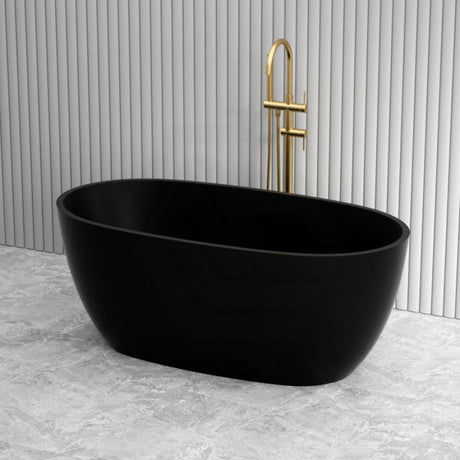
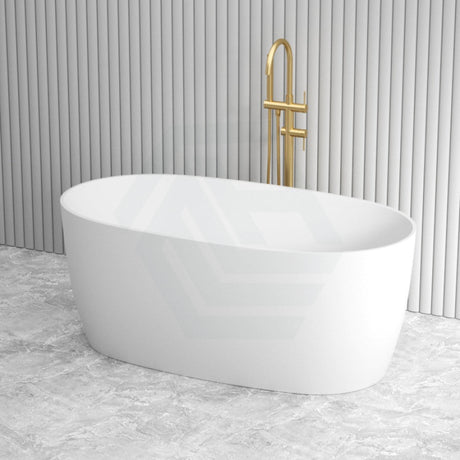
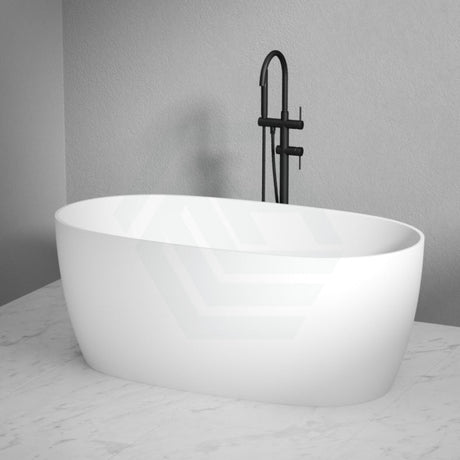
It's easy to assume that Japanese fixtures have to be imported from Japan. Freestanding tubs begin at $878 and go up to $7,182, and if you're looking for a deep soaking-style tub, choose smaller, 1500 mm options instead of 1700 mm. A fienza bathtub is a good starting point. These acrylic designs, in both oval and rectangular shapes, include compact models that work nicely for Japanese-inspired bathrooms. Even a free standing bath small enough for a 1500 mm alcove can offer the soaking experience without taking over the bathroom. The most requested colours for tapware are still matt black, chrome, and brushed gold. For a seamless appearance, wall-mounted basin mixers and concealed shower mixers don't interrupt the eye's path. Wooden finish plywood cabinets from 600 mm to 900 mm are practical and fit the single-basin japanese bathroom aesthetic, freestanding vanities on legs start from $238.

Japanese vs Scandinavian: Minimalist Styles Compared
If you have been diving into the minimalist styles, you have probably noticed both Japanese and scandinavian bathroom aesthetics coming up again and again. The two have shared traits: natural textures, simple and clean lines, emphasis on function, and a general lack of clutter. But that's where the similarities end. Japanese design is inherently warm, the colours are more focused on woods, stone and beige tones, and lighting is generally warm. These bathrooms feel like a space for quiet contemplation, a space for retreat. Scandinavian design, by contrast, seeks out light: white walls, light-coloured wood such as birch and pine, and windows that emphasise maximised light. Less ceremony and more brightness. The two have recently merged to create a new style called Japandi, and its popularity in Australin Japanese style bathroom design cannot be overstated. Try using a black timber double vanity, white tiles, white subway, and a white and light wood colour scheme. In either case, a fienza bathtub can double as a free standing tub, so long as you have 1.8 m of floor space available.