

20 April, 2026
Ensuite Bathroom Ideas: From Compact to Luxurious Designs
Ensuite bathroom ideas for Australian homes: compact layouts, wall-hung vanities, frameless showers, large-format tiles and smart storage. Practical design tips from compact to luxurious ensuite renovations.

Understanding Ensuite Design: Function Meets Spatial Planning
In an ensuite, bedroom and bathroom are locked in a relationship that defines everything. I have worked on projects where the ensuite was barely 2.4 metres by 1.8 metres, but with thoughtful spatial planning, it felt spacious.
The difference between an okay ensuite and an excellent one is usually how well the layout takes into account unique building constraints. An ensuite bathroom is different from a main bathroom because it sits directly off the bedroom, which means plumbing runs are dictated by bedroom location and the plan, not just the layout of the bathroom. You also have to be sensitive to privacy requirements.
And let's not forget ventilation. Most ensuites are internal rooms without an external window, which means mechanical ventilation is essential. The National Construction Code specifies a minimum exhaust rate of 25 L/s for windowless wet areas (NCC 2022, ABCB Housing Provisions, Part 10.8). Start by laying out the floor plan, measuring everything, noting the door swing and finding any existing plumbing. Skipping these essentials in any ensuite design often leads to expensive changes later.

Compact Ensuite Layouts That Maximise Every Square Metre
The best small ensuite ideas follow a simple and clear sequence: the shower first, then the toilet, then the vanity. The easiest way to maximise usable floor space in a tight room is to align them linearly along the longest wall.
Next is the door itself. Under the NCC Livable Housing provisions, the clear opening of a residential bathroom door must be at least 820 mm wide (NCC 2022, ABCB Housing Provisions, Part 12.2). A sliding or cavity-style door gives you 600 to 700 mm of reclaimed space, compared to a conventional swinging hinged door. On a recent project, we swapped to a cavity slider and were able to stretch the shower width from 800 to 900 mm, which is very noticeable.
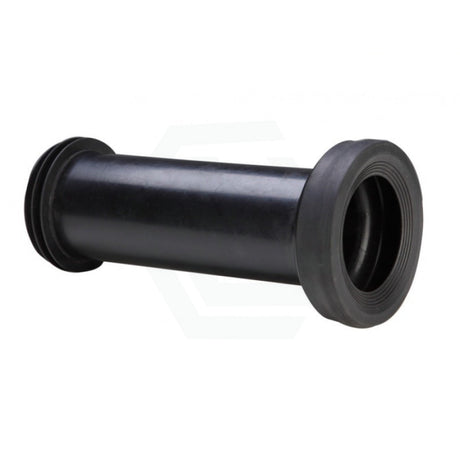
In a small ensuite layout, a frameless glass shower screen is your ally, creating an uninterrupted view into the space and making the room feel bigger. A wall-hung toilet with an in-wall concealed cistern allows you to reduce the toilet's protrusion by 150 to 200 mm off the back wall versus a typical back-to-wall model. The vanity might be a 600 mm wall-hung unit, though sometimes a 750 mm works too.

Fixture Selection for Ensuites of Every Size
The size of the fixtures depends primarily on the size of the ensuite. A tiny ensuite less than 4 square metres would be best with a 600 mm wide vanity, a wall-hung toilet, and a shower recess of 900 mm. A medium size of 5 to 7 square metres opens up the options for a 900 mm vanity, bigger shower with a niche, and perhaps a standard back-to-wall toilet suite.
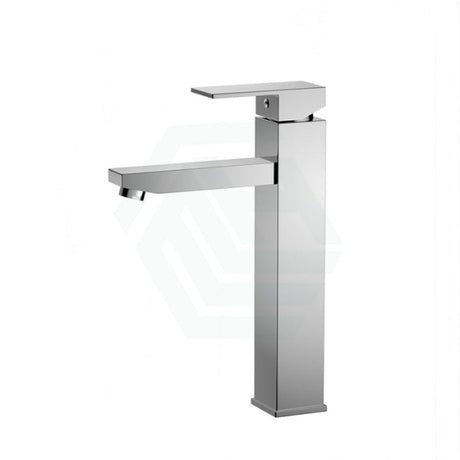
The material is something I often stress but is often overlooked. PVC board is waterproof and suitable for this type of environment; MDF has to be finished with a waterproof seal to protect it from moisture; and plywood is the premium option, with natural timber-look finishes, but also the highest strength. For tapware, Matt Black is leading Australia at present, while Brushed Gold and Brushed Nickel are the warm metal finishes that are starting to get more attention. It is always easier to make an ensuite look good if you stick to one family of finishes; a Brushed Nickel mixer, showerhead, towel rail, and accessories. This allows you to treat the whole room as a single visual space.
One compliance note: tapware, mixers, cisterns and similar plumbing products sold in Australia must carry WaterMark certification (WaterMark Certification Scheme) before a licensed plumber will install them, and taps, showers and toilets must meet the mandatory water efficiency labelling requirements. Check the product listing before buying — uncertified fittings can be refused at installation.

Material and Finish Choices for a Cohesive Ensuite Design
When it comes to ensuite bathroom ideas that actually hold together visually, cohesiveness is achieved by limiting the range of materials. I usually recommend that you stick to no more than three surfaces; one for the floor, one for the walls and one feature. Using tiles that are large format—600 by 600 mm or greater—reduces the number of visible grout joints and gives the bathroom a cleaner, simpler look; this works particularly well in smaller ensuite spaces.
With an 8 square metre ensuite you can usually fit a double vanity comfortably. You'll see that 1200 mm wide double vanities are often considered the standard, however for a true double basin setup a 1500 mm unit can often be more comfortable to use, particularly if you have two people getting ready at the same time. Ensure that you have adequate space for two waste outlets and two mixer connections before committing.
Finish coordination can have a significant impact on the overall look of your ensuite, regardless of the tile pattern. If you have chosen to use a Brushed Nickel basin mixer, then I would suggest using the same finish in a shower mixer and in a towel rail and robe hook if you can. It is that simple and such a quick decision which makes such a huge difference.

Creating a Luxurious Ensuite on a Practical Budget
Ensuring you have sufficient funds for every aspect of the ensuite bathroom ideas project you are planning is an important first step; if you don't budget properly, everything else that follows could fall apart. The biggest proportion of your budget should probably go on waterproofing, then the tapware. Make sure your licensed waterproofer provides a compliance certificate confirming the job meets the Australian Standard for wet area waterproofing (AS 3740:2021); keep that certificate on file for insurance and resale. The basin mixer can be anything from around $85 all the way up to $870 and anything in the mid-range is going to be fine quality.
Savings could be made on tiles; a plain neutral colour rectified porcelain tile is going to be cheaper than using more complex options, and looks great after ten to fifteen years as well. The bathroom vanity could be another place to start to think creatively; a PVC board vanity at the $300 to $500 end of the market looks really good when it is paired with a quality ceramic basin and a well-designed bath vanity mixer in a contemporary finish.
To undertake a small ensuite bathroom renovation (including all materials and labour), you could reasonably expect to spend $10,000 to $18,000 depending on location, though a luxurious master ensuite with expensive fixtures can easily reach a cost of $25,000 to $45,000 or more. Always be sure to have three or more quotes from licensed tradespeople.
References
National Construction Code 2022, ABCB Housing Provisions, Part 10.8 Condensation Management
National Construction Code 2022, ABCB Housing Provisions, Part 12.2 Livable Housing
AS 3740:2021 Waterproofing of Domestic Wet Areas, Standards Australia
WaterMark Certification Scheme, Australian Building Codes Board