05 June, 2026
How Much Does a Small Bathroom Renovation Cost: a Step-by-step Australia Guide
Wondering how much does a small bathroom renovation cost in Australia? This step-by-step guide breaks down every cost clearly.

Video Credit: My Kitchen and Bath
Imagine the end result — a properly done small bathroom renovation: bright new tiles, a usable small bathroom vanity, and intentional design. That is definitely doable. The problem is that first you have to understand what all of that will cost. So, this guide helps you figure out how much does a small bathroom renovation cost, and how much each step costs along the way.
What Drives the Cost of a Small Bathroom Renovation in Australia
What is the average cost for a small bathroom in Australia? It is the most common question asked by homeowners. The reality is that there is not just one single cost figure. It all comes down to the variables that are unique to your situation.
Size, first of all. The average size of a small bathroom in Australia is somewhere between 3 m² and 5 m², with common layouts measuring 1.5 m × 2 m or 1.8 m × 2.4 m. This size will dictate more careful consideration around where your fixtures should go, how much space you allow in the wet area, and how much room you leave for people to move around.
Scope is next. A cosmetic refresh is a world away from a full gut-out, which will have you taking out walls or re-routing plumbing. You will also notice a variation across states — tradespeople in Sydney and Melbourne tend to cost more than their counterparts in Hobart and regional Queensland.
And now the most important thing: will you need to move any plumbing? That is plumbing that connects your toilet, basin, and shower to the main stack. If you can keep all of these in their current locations you can save thousands. If not, and you need to re-route any pipes or water lines, you are going to add labour costs to your budget and will require a new waterproofing membrane. Keeping everything where it currently is will always be your cheapest option.

Typical Price Ranges: Budget, Mid-Range and Premium Renovations
Australian small bathroom renovation projects will fall under one of three categories.
The budget end of the spectrum will be between $8,000 and $15,000, with basic fixtures, standard tile ranges and little change in layout.
The mid-range category is typically $15,000 to $25,000. This means you can opt for upgraded porcelain tiles, better quality vanities, and a rimless toilet suite.
The premium category is going to cost between $25,000 to $45,000 or more, including designer products, upgraded materials like large-format tiles, frameless shower screens and potentially a new layout.
These estimates align with 2024–2025 market costs (HIA Bathroom Renovation Cost Guide 2025). They also will depend on where you live — a small bathroom project in Sydney and Melbourne will likely cost $11,500 or more, even at the lower end of the price scale. A comparable renovation in Hobart may cost closer to $9,000.

Step-by-Step Cost Breakdown by Trade and Material
Demolition and strip-out runs between $500 and $1,500 depending on what needs to come out and how accessible the space is. Waterproofing — which your licensed waterproofer must apply in compliance with AS 3740:2021 and NCC 2025 Housing Provisions Part 10.2 — typically costs $800 to $1,500 (NCC 2025, ABCB Housing Provisions, Part 10.2) (AS 3740:2021). Shower walls must be waterproofed to a minimum height of 1,800 mm above the floor substrate; this is non-negotiable and not an area to economise on.
The labour and materials cost of tiling averages $50 to $150 per m². This all depends on your choice of tile size, format, and installation pattern. Floor tiles need to meet the AS 4586 slip-resistance requirements and your tiler can confirm the P-rating of the tile you want to use.
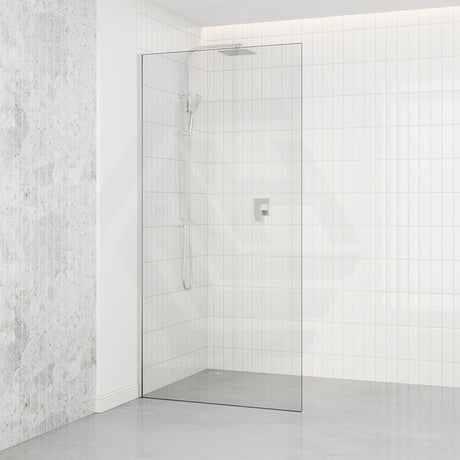
Plumbing and fix-out work is the job of a licensed plumber and costs $1,500 to $4,000 depending on the level of plumbing services required. Any electrical work including installing an exhaust fan must be done by a licensed electrician and costs $500 to $1,200. Shower screens are another item where both safety standards and budget vary considerably. Shower screens are safety glass to AS/NZS 2208 and should be installed by a professional; costs run from $130 (AS/NZS 2208:2023) for a basic framed panel to $2,550 for a frameless system. Once the screens are in, painting is usually the final trade on site and typically adds $300 to $800.

Picking Fixtures to Fit the Size of the Room and Your Budget
This is where style meets cost. If you have a small bathroom, go for a small bathroom vanity from 600 mm to 750 mm wide. A wall-hung small bathroom vanity such as those by Lukka or CETO frees up floor space and can make a small bathroom appear bigger. Cost wise, a small bathroom vanity ranges from $300 to $600 for a budget PVC cabinet through to $600 to $1,200 for an MDF or plywood cabinet. Keep in mind that the basin mixer and waste are usually not included in the vanity price — tapware is a separate line item.
One of the most practical bathroom fixtures for smaller bathrooms is a back to wall toilet suite. A back to wall toilet suite conceals the cistern behind the wall to save floor space — usually around 150 mm of floor depth — which in a small 1.5 m × 2 m bathroom starts to add up. Fienza and Poseidon offer back to wall toilet suites across all price ranges, from $185 at the budget end to $800 for a mid-range rimless back to wall toilet suite.
If the layout allows, you may be able to install a built in bath into an alcove rather than a freestanding bath. A built in bath makes use of the available floor space, whereas a freestanding bath requires at least 1.8 m of clear floor length in front of it — which simply is not realistic in a small 3 m² to 4 m² bathroom. A built in bath can sit neatly in an alcove where a freestanding bath will not fit.

How to Keep Costs Down Without Cutting Corners
Keep the existing plumbing stack positions wherever possible. Choose rectified 600 × 600 mm porcelain tiles over natural stone — they have fewer grout lines and install more quickly. Grouping trades reduces separate call-out charges. Look for fixtures online to cut costs, but confirm that plumbing products carry WaterMark certification. Do not cut costs on waterproofing, licensed electrical work, or quality tapware. Understanding how much does a small bathroom renovation cost before you commit means you can plan your budget properly and get it right the first time — which is always cheaper than fixing it later.
References
HIA (Housing Industry Association) — Bathroom Renovation Cost Guide (2025 edition)
AS 3740:2021 Waterproofing of Domestic Wet Areas, Standards Australia
National Construction Code 2025, ABCB Housing Provisions, Part 10.2 Wet area waterproofing
AS 4586:2013 Slip resistance classification of new pedestrian surface materials (incorporating Amendment No. 1:2017), Standards Australia
AS/NZS 2208:2023 Safety glazing materials in buildings (incorporating Amendment No. 2:2025), Standards Australia
State and territory plumbing licensing authorities (Building and Plumbing Commission Victoria; Building Commission NSW / NSW Fair Trading; Queensland Building and Construction Commission; Plumbers Licensing Board Western Australia (administered by Building and Energy); Consumer, Building and Occupational Services Tasmania; Access Canberra ACT; Office of the Technical Regulator / Consumer and Business Services South Australia; Plumbers and Drainers Licensing Board Northern Territory)