

08 April, 2026
Bidet vs Toilet Paper: Why Australians Are Making the Switch
Bidet vs toilet paper: why more Australians are switching. Compare hygiene, cost, environmental impact and comfort. Plus simple tips on how to use a bidet and installation for beginners.

How Does a Bidet Actually Work?
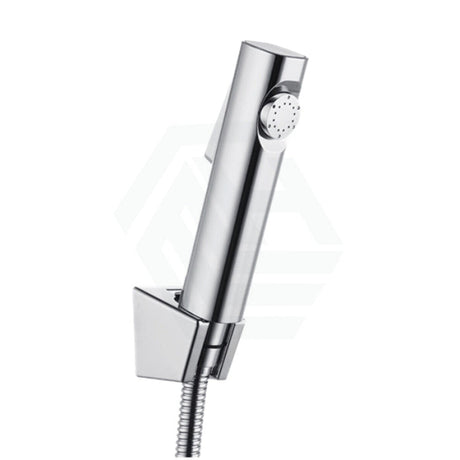
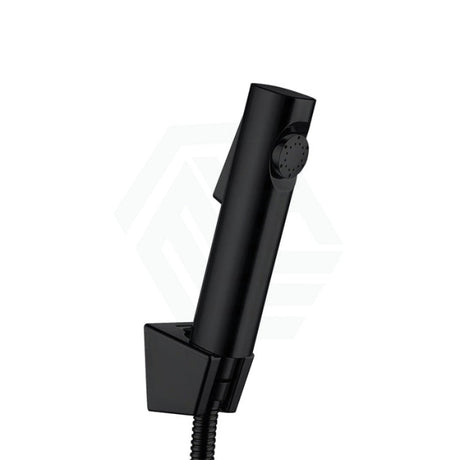
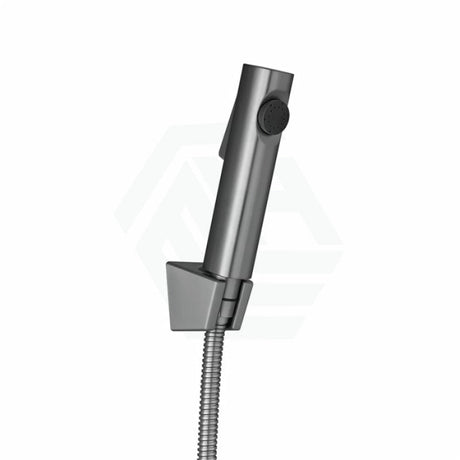
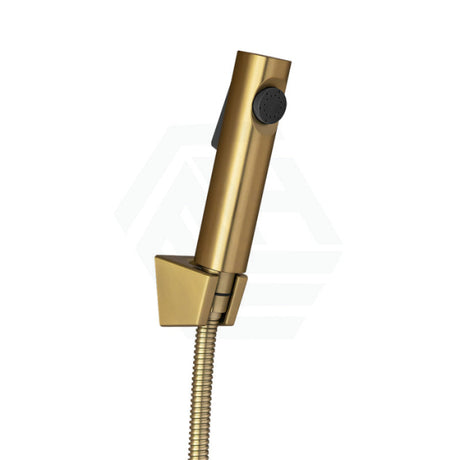
If you have ever wondered how does a bidet work, the answer is surprisingly straightforward. Think of it as a gentle, targeted water spray designed to clean you after using the toilet — and honestly, once you have tried one, going back to dry paper feels a bit... outdated. A traditional standalone bidet sits beside your toilet as a separate fixture, but the models gaining popularity in Australia are bidet attachments and bidet toilet seats that clip onto your existing setup. You press a button or turn a dial, a small nozzle extends, and a stream of water does the work. Some higher-end models let you adjust temperature and pressure, while basic cold-water attachments start from around $50. The whole process takes about 20 seconds.

Bidet vs Toilet Paper — The Hygiene Factor
This is the part that really gets people thinking. When it comes to bidet vs toilet paper, the hygiene argument is hard to ignore. Here is a way to picture it — if you got mud on your hands, would you wipe it off with dry paper and call it done? Probably not. You would wash with water. The same logic applies here, and it is one of the main reasons dermatologists and health professionals have been quietly recommending bidets for years. Water cleaning is gentler on sensitive skin and reduces the friction that can cause irritation, particularly for anyone dealing with haemorrhoids or skin conditions. For new parents, elderly family members, or anyone recovering from surgery, a bidet can make a real difference to daily comfort. There is also emerging research suggesting that the reduced contact and friction lowering the risk of urinary tract infections in women, though more Australian-specific studies would be welcome.
What About the Environment and Your Wallet?
The environmental case is genuinely compelling when you compare the two options. Australians use an estimated 4 kilograms of toilet paper per person each year, and producing a single roll requires roughly 140 litres of water and a significant amount of virgin wood pulp. A bidet, by contrast, uses about 500 millilitres of water per use — a fraction of what goes into manufacturing the paper it replaces. Then there is the cost. A decent toilet paper supply for a household of three runs somewhere between $150 and $250 per year, depending on brand loyalty. A basic bidet attachment pays for itself within the first year and keeps saving you money from that point forward. The maths is not complicated, and neither is the environmental benefit.

How to Use a Bidet the Right Way
For bidet newcomers — and there are many in Australia — the process can feel a little uncertain at first. The process is simpler than you might expect. Use the toilet as normal, then activate the bidet spray using the control panel or side dial. Start with a low-pressure setting (trust me on this) and let the water do its work for 15 to 20 seconds. You can then pat dry with a small amount of toilet paper or a dedicated towel. That is genuinely it! One thing worth mentioning is positioning. Sit slightly forward on the seat so the nozzle can reach the right area. Most attachments are designed for a standard seated position, so you should not need to do anything unusual. After a few uses, it becomes completely second nature.
Keeping Things Fresh
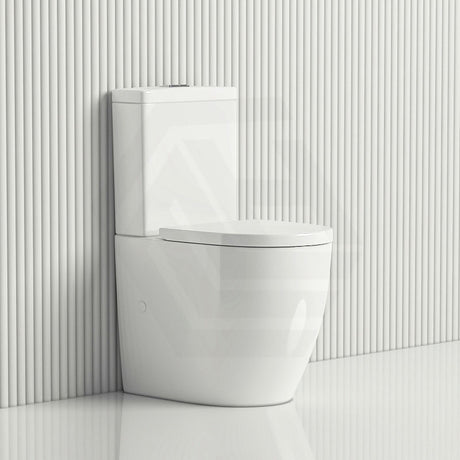
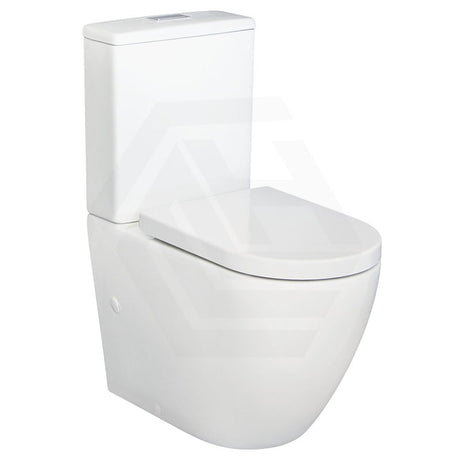
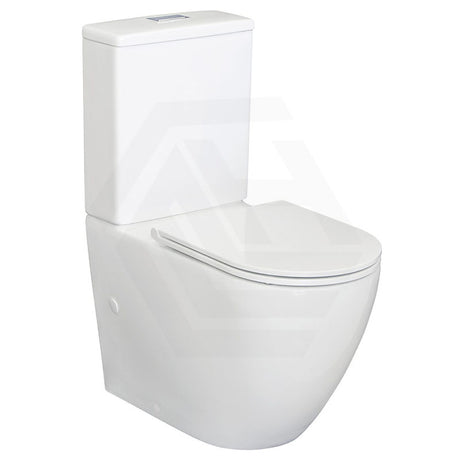
A bidet attachment is only as good as the bathroom it sits in, so let us talk about how to clean toilet bowl surfaces and keep everything sanitary. Most bidet nozzles are self-cleaning — they retract and rinse themselves before and after each use — but you should still give them a wipe with a damp cloth once a week. Avoid harsh chemical cleaners directly on the nozzle, as they can degrade the plastic over time. For the toilet itself, a regular weekly clean with a mild bathroom cleaner and a good brush will keep things fresh. If you are upgrading to a bidet attachment, it might also be a good time to invest in a quality toilet seat and cover — one that fits snugly and complements your new setup. And if your current toilet seat is looking a bit worse for wear, swapping it for a fresh one takes about ten minutes and makes the whole experience feel new again.