

30 March, 2026
Bathroom Colour Schemes: How to Use Black and Bold Finishes
Discover how to create stunning bathroom colour schemes with black and bold finishes. Learn tips for matte black tapware, fixtures and tiles to achieve a modern, cohesive and dramatic look.

If I had a dollar for every time I walked through an international trade fair, the use of darker, bolder finishes caught my attention. Black tapware, black basins and even full matte black bathtubs are becoming more mainstream in some of the better-considered bathroom designs out there in Europe and Australia. For a long time, the Australian market has sat quite comfortably in the realm of chrome, brushed nickel and the odd bit of brass. All gorgeous options, certainly. But with the bathroom trends 2026 unfolding before our eyes, it seems we’re steering more towards braver finishes and black has cemented itself as a legitimate foundation colour and less of a fad.
Why Black Has Become a Popular Design Finish
So, what makes black so effective in a bathroom? Black acts as a grounding element in the space. Unlike chrome or brushed nickel that can look a bit lost in the mix at times, black always provides a focal point. On two of the display home projects I’ve worked on recently, I used matte black tapware because I wanted the eye to be drawn to the fitting detail, as opposed to everything blending into one. The finish you choose is imperative. Matte black absorbs light and adds depth to the space whereas gloss black bounces light and adds a level of sophistication. Two entirely different results. One of the first decisions I make when selecting finishes for a project is whether I’m using a matte or gloss black because it impacts how the rest of the finishes in the bathroom will play. Black is also remarkably versatile as a base. It looks just as good with warm timbers and natural stone as it does with concrete and crisp white ceramics. That’s why it’s finding its way into bathroom colour schemes as a primary element.

Building a Cohesive Black Colour Palette
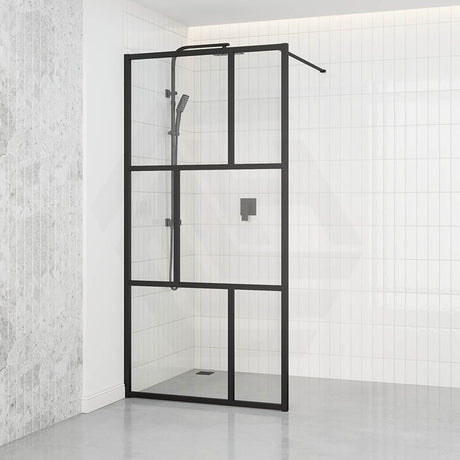
My most frequent frustration is when black is used as just one or two elements in the space. The black tap and black showerhead against an all-white backdrop can look disjointed and less-than-considered. Repetition and coordination is the key to a successful bathroom colour scheme. On a recent project, I used the same finish on the tapware, towel rails, shower frame and mirror surround and the result was thoroughly cohesive and well thought-out. Each of these elements worked in harmony with the others, as they should. Understanding the difference between a warm black and a cool black is more important than you might think. Understanding the temperature of black is crucial. A warm, dark black with a brown or golden base works perfectly with oak and terracotta, while a cooler, bluer black is better suited to grey stone and concrete. If you get the temperature wrong, the entire scheme will feel slightly off, even if you can’t quite put your finger on what it is.

Bold Fixtures as Focal Points
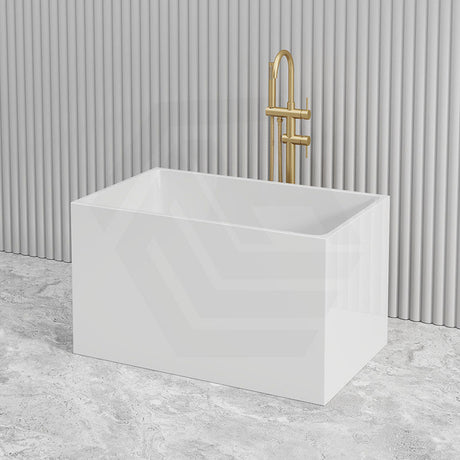
This is where modern bathroom ideas really come into their own. With a black bathtub or freestanding tub, the fixture itself becomes the focal point of the space. I’ve specified both for clients wanting a single standout feature in their bathroom, and the effect is always dramatic. The same goes for a black basin and WC. Some people find it a bit shocking when I first suggest it, but once they see how elegant a black toilet looks against a light floor or wall, they’re always surprised. A black basin and WC can be a design feature, rather than something purely functional. The trick to pulling off black fixtures is balance. If the bath is the hero of the bathroom, don’t detract from it with too much patterning or colour on the walls and floor. Instead, let it take centre stage.

Tiles and Surfaces That Work With Dark Finishes
When you’re working with dark fixtures, your tile choice becomes incredibly important. The bathroom tile ideas that work best alongside black fixtures involve contrast, whether that’s through colour, texture, or tile shape. A simple white or off-white wall tile provides a clean backdrop that will make your black fixtures pop. Last year I worked on a project where we used a textured white subway tile behind a black vanity unit and tapware, and the way the smooth black finish played off the slightly uneven tile was just stunning. For the floor, a mid-tone natural stone or a concrete-look porcelain tile works well to create a visual stepping stone between your dark fixtures and lighter walls. A terrazzo floor is ideal here, the specks of colour in the terrazzo will pick up on and reflect the other elements in the space, adding interest without introducing another design element into the equation. In general, the best bathroom colour schemes are those where the tiles and flooring play a secondary role to the fixtures. Your tiles should enhance your fixtures, not compete with them. bathroom cabinets in timber or a light neutral finish can perform the same function, they help to anchor the middle section of the room, while the dark fixtures provide contrast above and below.

Balancing Black With Light and Texture
My clients often express concern that the inclusion of so much black will create a dark and cave like space. This is a legitimate concern, and not one that can be simply dismissed.
The inclusion of as much natural light as possible will go a long way to ensuring that the space does not feel oppressive. If there is a window, make the most of it. Using a sheer blind will filter the light, and prevent it from directly hitting the black finishes. Black looks different at various times of the day and in different lights. If natural light isn’t an option, it’s important to create layers of artificial light. I typically suggest using a combination of downlights to provide overall lighting to the space, a backlit mirror to provide task lighting, and where possible, a wall sconce or pendant light to create some warmth and ambience. In a dark space, lighting isn’t a decorating item, it is a necessity.
The remainder can be achieved through the inclusion of texture. A vanity unit created from roughly sawn timber, set against a matt black wall creates a tension between the two items that keeps your eye moving between them. A woven basket sitting on a polished concrete floor, introduces a softness to the space. Even the inclusion of a simple linen shower curtain can dramatically alter the way a dark space feels, in this instance it would feel calm and resolved, not heavy.