

30 January, 2026
Intelligent Bathroom Living: The Smarter Choice
Discover smart toilets for modern Australian homes – heated seats, bidets, auto-flush & space-saving designs. Boost hygiene, comfort & sustainability – are they worth it?

With the advent of smart home technology, it was only a matter of time before these product innovations made their way into the bathroom. And, at last, here we are. Smart toilets are becoming commonplace in Australian bathrooms, offering plenty of space-saving opportunities, smart functionality and integrating with other smart home technology. The following guide aims to find out about what smart toilets are, how they work and whether they make sense for modern Australian homes.

How Smart Toilets Differ From Standard Toilets
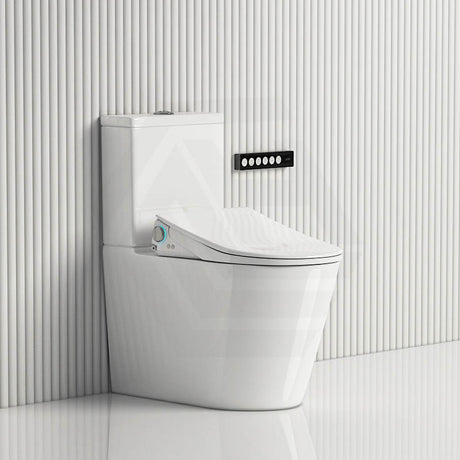
For Australians, the first experience of smart toilets was usually on an overseas trip to Asia, as countries like Japan have been using these bathroom solutions since the 1980s. Unlike conventional toilets, smart toilets combine the pan, cistern and technology into a single system or tightly integrated unit. Most models include electronic controls that allow users to customise a bidet’s water temperature and spray pressure, as well as seat warmth. Some also have deodorising systems, night lights and automatic flushing. For anyone who hasn’t used one before, it’s an experience unto itself.

The Basics of Smart Toilets
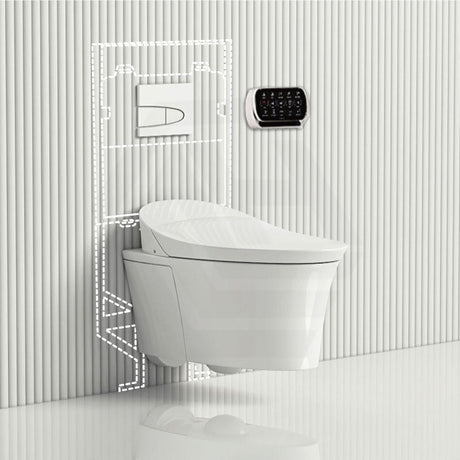
From a design and installation point of view, smart toilets often have a more modern aesthetic, making them suited to the bathroom of today, where clean lines and minimalism are key. Due to their complexity, a lot of homeowners assume that smart toilets take up more room in a space compared to traditional products, but that’s actually not the case. Space-saving smart toilet solutions, like wall-hung smart toilets, can conceal the cistern inside the wall, giving a floating illusion and making the room feel less cluttered. This is especially important in smaller bathrooms like apartments or units, as well as powder rooms, where every millimetre counts to squeeze the most value out of the room. Cleaning is also easier with these wall-hung solutions, as, instead of being attached to the floor, all the plumbing is sent through the wall. This is a benefit that many homeowners don’t even consider, as the smart toilets are often overlooked in the decision stage.
Why Not Just Go With an Add-On Bidet?
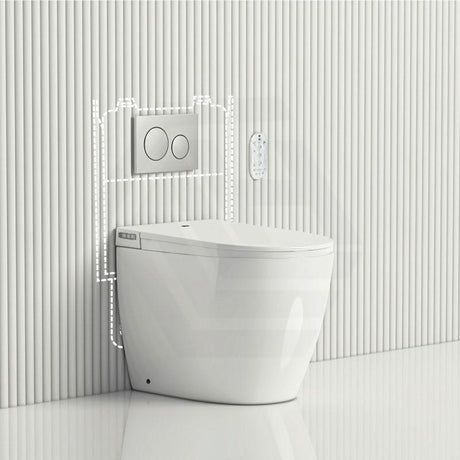
When exploring what toilet to get in a new build or renovation, one of the first decisions is whether to choose an integrated smart toilet or to go with a regular toilet and simply add on a smart seat. The obvious choice is integrated smart toilets, which are purpose-built to include everything, all in one form. These models usually have a cleaner aesthetic, quieter operation and more advanced features, as all components are designed to work together, not tacked on post-installation. Add-on bidet seats, which usually have a cheaper upfront cost, may not deliver the same level of performance or longevity. Integrated units are generally more reliable, easier to maintain and better suited to long-term renovations and new builds, rather than short-term upgrades.

How a Smart Toilet Can Improve Your Next Bathroom Plan
Improved hygiene is one of the strongest draws when going with a smart toilet. Touchless flushing, automatic lid operation and built-in bidet functions reduce the user’s contact with surfaces, meaning there’s less of a chance to pick up any unwanted germs. Smart toilets also offer plenty of water efficiency and environmental benefits. Many of these products use less water per flush than traditional models and can stop user error in overflushing with automated flushes. Additionally, using a bidet helps reduce the reliance on toilet paper, making it a better environmental choice while also shaving a bit off the grocery list by needing to buy less. Comfort is also a big factor. Heated seats (where the weather needs it, like in cooler regions or Aussie winters), adjustable spray settings and warm air dryers add a level of luxury that can become part of everyday routine rather than a novelty. Some prototype models of smart toilets, which debuted at the ISH 2025 trade fair, even connect to various health and wellness apps and can give users a report on the health of their stool.

What to Do When It Comes To Installing Smart Toilets?
Here’s the kicker: There’s a reason they haven’t been commonly installed in Australia despite continental neighbours using them for decades, and proper planning is essential. Smart toilets can be installed in Australia according to the Plumbing Code, but a licensed plumber, and sometimes an electrician, is essential. Most models require access to a power point, which should be considered early in the design or renovation process, as there are regulations guiding the distance powerpoints can be from a water source.
So, After All That, Is Intelligent Bathroom Living Worth It?
For homeowners seeking greater comfort, hygiene and efficiency, intelligent bathroom living is absolutely worth considering. Smart toilets are no longer an indulgence or something you tried out overseas. They’re a practical solution that combines modern design, sustainability and lifestyle expectations. Whether you are renovating a compact bathroom, designing a minimalist ensuite or future-proofing your home, smart toilets offer a compelling blend of technology and everyday practicality that continues to grow in popularity across Australia.