

20 May, 2026
Freestanding Bath vs Built In: Which Is Right for Your Bathroom?
Freestanding bath vs built in — which suits your bathroom best? Our Australian guide covers style, cost and practicality to help you choose.

Video Credit: Tyson plumbing
There are few home renovation choices more debated, more loved, and more agonised over than picking out the bath. I've had friends spend months agonising over what model, material and colour they want; I think they're entirely on it. This is one of the most important features of the bathroom, as it will set the scene for the whole room, so it's worth taking time to get it right.
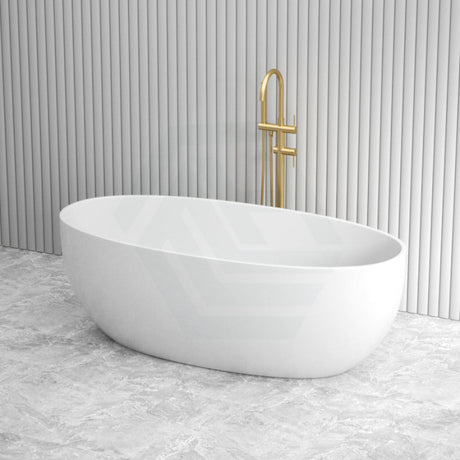
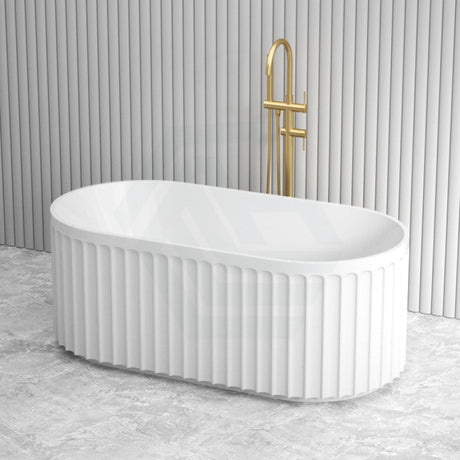
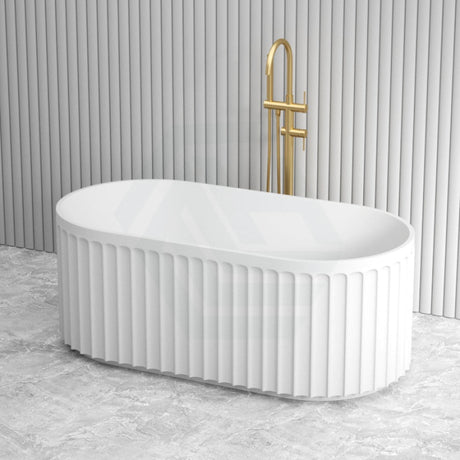
What Is a Freestanding Bath?
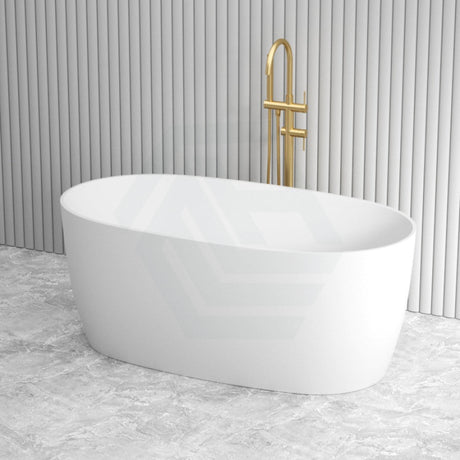
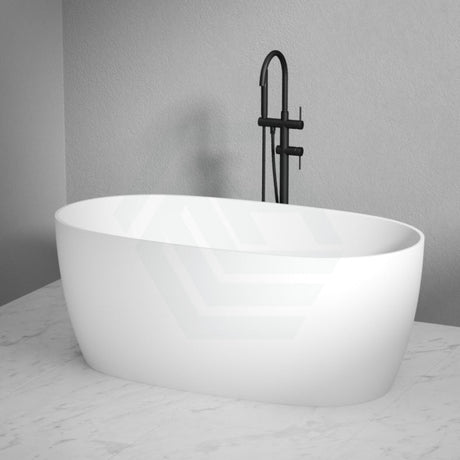
A freestanding bath, as the name suggests, is a single, separate unit not attached to the walls. You can access a freestanding bath from every side. This is often a beautiful centrepiece, and when it goes well it really hits all the right notes.
You've likely spotted freestanding baths in bathrooms in magazines and on television, but the choice comes down to what material you decide on. Acrylic is by far the most common, being lightweight, holding heat decently well, and available in an enormous number of shapes and designs. Stone resin baths are heavier and significantly more expensive, but they are incredibly luxurious to touch and hold water heat well. The final option is cast iron, the original bath material, which is exceptionally tough and good at retaining heat. These are also extremely heavy and your floor structure may need assessment before installation. Your licensed plumber can advise on this during the planning stage.
Freestanding baths have different plumbing requirements than built-in models, as the water supply and waste lines must run through the floor rather than a wall to allow the bath to be accessible from all sides. Talk to your plumber about what works for you.

What Is a Built-In Bath?
A built-in bath comes in two styles. The alcove bath, probably what many of us grew up with, is recessed into a three-wall nook with tiling on the surrounding walls. The other is the drop-in, which is recessed into a tiled deck or hob surround, and this usually looks extremely smart if executed well.
These baths are most commonly made from acrylic or fibreglass-backed materials, both of which are generally less expensive options. The tapware on these models tends to be wall mounted, and you will need to budget in the tiling costs for the surrounds, which can run from $60 to $120 per square metre (HIA Bathroom Renovation Cost Guide 2025) for labour, depending on where you are in Australia and what type of tile you select. The built-in model is better suited to family bathrooms and more efficient for smaller spaces.

Freestanding Bath vs Built In: Key Differences in Cost, Size, and Installation
The following comparison outlines some of the more common considerations when weighing up freestanding bath vs built in.
With regard to supply cost, freestanding baths generally start at $878 for an acrylic model but can go well beyond $7,000 for a stone resin or designer bath. Drop-in built-in baths start closer to $312. Installation costs vary, as freestanding baths require waste plumbing to run through the floor and can require considerable additional work depending on the position of your existing rough-in. Built-in baths typically connect to a wall waste point but add back into the cost through tiling and waterproofing the area around the bath.
Regardless of which bath style you choose, waterproofing the surrounding area is a non-negotiable part of the installation. AS 3740:2021 requires waterproofing the walls adjacent to a bath to a minimum of 150mm (AS 3740:2021) above the top rim, and compliance with NCC 2022 Housing Provisions Part 10.2 is also required. This must be performed by a licensed waterproofer — don't skimp on that job.

Bathtub Sizes and Dimensions: What Fits Your Bathroom?
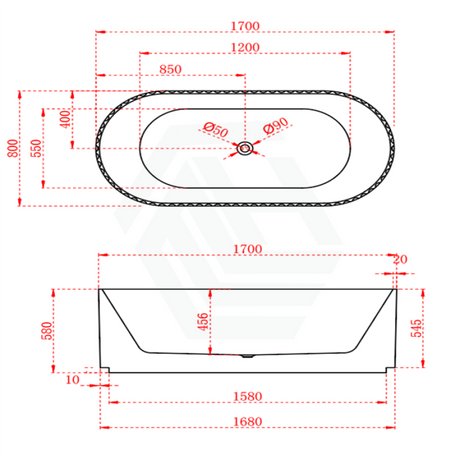
Standard Australian bathtub sizes and bathtub dimensions run from 1500mm × 700mm at the compact end up to 1800mm × 900mm for larger formats. The 1500mm length is the minimum practical bathing length for adults; shorter than that is not worth considering.
Freestanding and built-in baths also differ significantly in terms of space requirements. A freestanding bath needs a minimum of 200mm of clear space on all accessible sides, which means you need a genuinely generous bathroom floor plan before considering one. A built-in bath uses wall space efficiently and works better in smaller bathrooms.
If you like the look of a freestanding bath but don't have a large bathroom, take a good look at the back to wall bath. One side is installed against the wall, giving a sleek and streamlined profile while taking less floor space. For both types, acrylic baths are the most versatile material option, available across all bathtub sizes and the lightest to install.

Choosing the Right Bath for Your Renovation
Consider your budget, available floor space, plumbing rough-in position, and how you intend to use the bath. Families with young children are best served by a built-in alcove bath that is functional, easy to clean, and straightforward to maintain with tiled surrounds. A freestanding bath suits a couple or those who bathe less frequently but want the bath to make a statement.
Watch out for these common pitfalls: buying the bath before confirming your waste outlet position, underestimating how much tiling a built-in bath adds to the bathroom renovation cost, and overlooking that some stone baths are extremely heavy and may require floor reinforcement. Also confirm that the bathtub plug and fittings are compatible with your chosen bath — many freestanding baths have no overflow hole, meaning you cannot use an overflow-compatible bath waste.
All plumbing work — supply, waste, and overflow — must be carried out by a licensed plumber in every state and territory; check your state/territory requirements. When evaluating freestanding bath vs built in at the planning stage, schedule a plumber consultation early. Your bath decision must accommodate your existing plumbing rough-in position. Getting that alignment right from the start will save you considerable time, money, and frustration.
References
HIA (Housing Industry Association) — Bathroom Renovation Cost Guide 2025
National Construction Code 2022, ABCB Housing Provisions, Part 10.2 Wet Areas
AS 3740:2021 Waterproofing of Domestic Wet Areas, Standards Australia
State plumbing licensing legislation (VBA Victoria; Fair Trading NSW; QBCC Queensland; Building Practitioners Board WA; CBOS Tasmania; ACTPLA ACT; Building & Energy SA; ABPB NT)