

18 February, 2026
Trap Plumbing Guide for Laundry Sink Installations
Understand how trap plumbing affects laundry sink installation, including P-trap sizing, bottle trap options and layout planning for better drainage and odour control.

The plumbing trap might not be the first thing you think about when planning a beautiful laundry, but after years of designing these hardworking spaces, I have learned that it is often these hidden details that determine whether a room truly works. I was reminded of this lesson recently while eyeing some plumbing under a nicely curved vanity in an arty new laundry. These invisible elements are usually what determine whether a space will actually function well.
The joinery looked perfect on paper, but the plumbing needed more space than we had allowed for. The result was long term problems with drainage and smelly smells that would not go, regardless of how much cleaning we did. It reminded me that these unsung details often determine whether a room truly functions well.

What Is a Plumbing Trap and What Does It Do?
That U-shaped or P-shaped curve in the pipe under your sink, we all know it and its purpose is a bit more clever than you think. And the water that is sitting in that bend creates what's essentially a seal, preventing sewer gases from flowing up into your home. It's a small detail, but one that is crucial for maintaining your space fresh and pleasant.
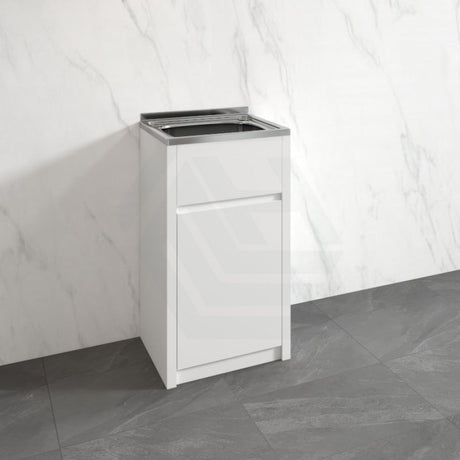
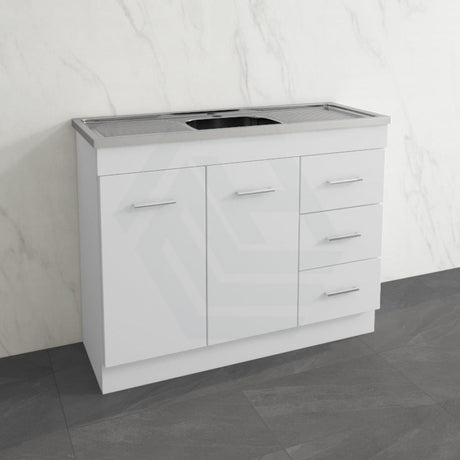
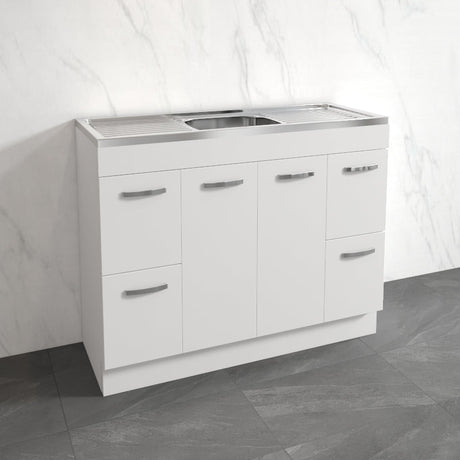
This is why I always discuss plumbing requirements with my clients early in the design process, whether for a kitchen or laundry. The first consideration is space. On paper, it should be simple —there's no shortage of space beneath the sink. But I cannot tell you how many times I have seen beautiful joinery where the trap size was not considered early enough, making installation difficult on site. And if you have drawers underneath the sink, those drawers need to navigate your plumbing, not compete for its cubic footage.
A typical P-trap is 150 to 200 mm below the drain outlet. Your local building codes will determine exact placement requirements, which is why I always recommend involving your plumber early in the design stage. I always recommend getting them in early because refitting joinery is both expensive and disruptive.

Material Choice Matters
Material choice is another consideration. If the trap will be in view -- say, under an exposed vanity in a modern bathroom -chrome-plated brass can make this necessary product into a decorative element. PVC traps are inexpensive, and they work quite well when hidden inside cabinetry. There's no right or wrong - it all depends on what you're going for in your design, and budget.
The bottle trap is a solution I frequently recommend. I have used these for years, especially in small laundries where spare space is at a premium. These take up less space than traditional P-traps, giving you more room for your joinery design. They are especially handy in compact laundries where space is of the essence.
Don't Forget Service Access
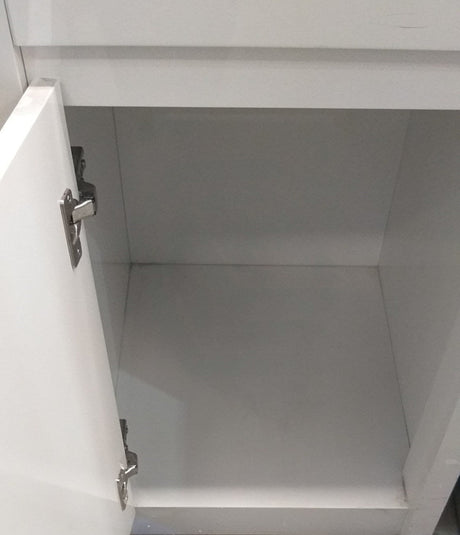
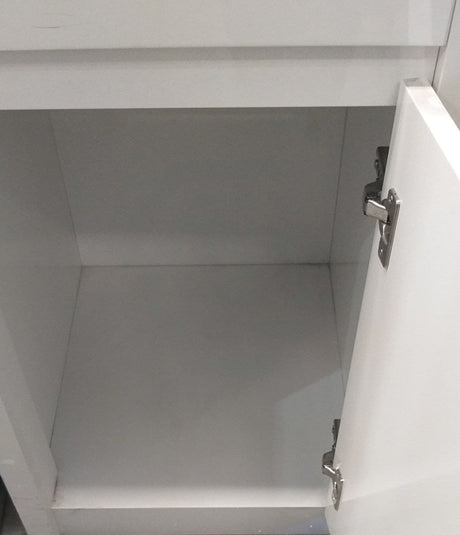
Another important consideration is service access. Traps need regular cleaning, whether you unclog or just get rid of dirt buildup. If you have to tear apart half the cabinetry to access the trap, then any maintenance down the road will be harder than it needs to be. This is where removable panels or access doors become invaluable. They may seem like a small detail now, but you will appreciate them when maintenance is needed.
Good design does not require you to choose between practicality and aesthetics. If you think through these details from the outset, you can get both. Your laundry can be pretty as well as practical. There's no reason you must choose between the two. It is about understanding how everything works together, from the visible surfaces to the hidden plumbing, ensuring the space truly functions for the people who use it every day.

Planning Your Plumbing: Three Essential Steps
If you're gearing up for a new kitchen or laundry, here are three sensible pieces of advice to ensure that the plumbing in your new space will be problem free:
1. Involve Your Plumber Early
Do not wait until the design is finalised to think about plumbing. Involve your plumber early on, when you're still scheming up the layout. They can help you determine the exact space requirements and prevent costly mistakes later.
2. Consider Access for Maintenance
Design for removable panels or access doors under sinks and vanities. You'll thank your future self the next time you have to clean out or repair this trap. Good design considers maintenance requirements, not just the initial installation.
3. Match the Trap Style to Your Design
Choose fixtures that complement your overall aesthetic. If the plumbing will show, invest in handsome fixtures of chrome or brass that complement your design. If you have to hide it, PVC is just fine. And for small spaces, opt for a bottle trap and keep all your storage options open
Have you encountered plumbing challenges in your own renovation? These practical details often make the difference between a space that simply looks good and one that truly works well for years to come.