

01 April, 2026
How to Use a Bidet: Everything You Need to Know
Learn how to use a bidet properly — from basic operation and controls to bidet vs toilet paper benefits. Simple step-by-step guide for bidet seats, attachments and handheld sprays.

In my 30 years working in Australian homes, I’ve noticed a change in the way we approach bathroom design. The bathroom is no longer seen as simply functional, but also as a space in which we can enjoy a bit of comfort, hygiene and good design. This philosophy has seen the bidet become a popular inclusion in many Australian bathrooms. But despite their growing popularity, many of us are still unsure of how to use a bidet and this is often enough to put us off installing one. This issue warrants as much consideration as any I’d give to other elements in a bathroom or kitchen. Just as I would consider the layout of a kitchen before discussing finishes, so too must we discuss the function of a bidet before deciding whether to install one. A bidet is not a luxury item; it’s a legitimate bathroom fixture that can enhance hygiene and comfort when chosen and used correctly.
Understanding the Basics
What is a bidet? A bidet is a bathroom fixture that is designed to clean your genital and anal areas after you’ve used the toilet. It does this by using water pressure and a spray jet to clean your private areas. The word bidet comes from the French word for pony, because originally these were separate fixtures from a toilet that required the user to straddle them in the same way they would ride a horse. In today’s Australian bathroom, standalone bidets are a rare sight. Instead, integrated bidet seats, bidet toilet seats and bidet attachments have become the preferred option. They’re space efficient, offer great performance and are in line with my philosophy that form and function should go hand-in-hand. The best thing about modern bidet technology is that it can turn any regular toilet into a bidet without taking up any extra floor space.

How Does a Bidet Work
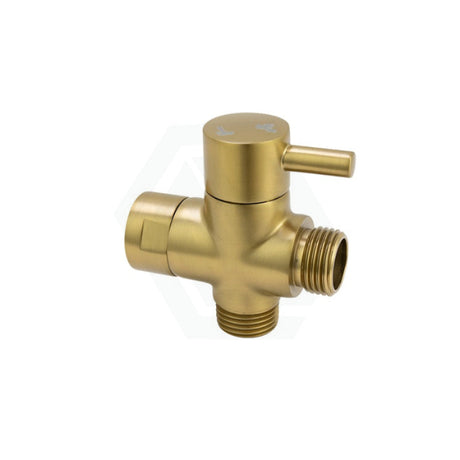
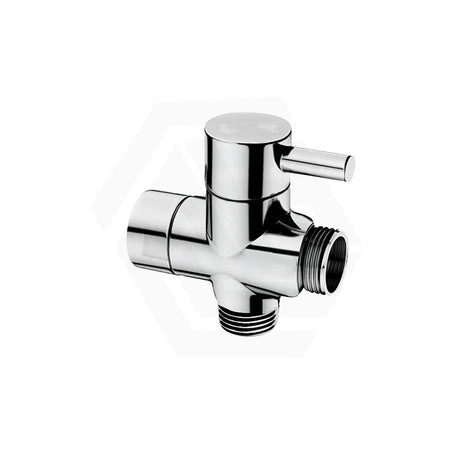
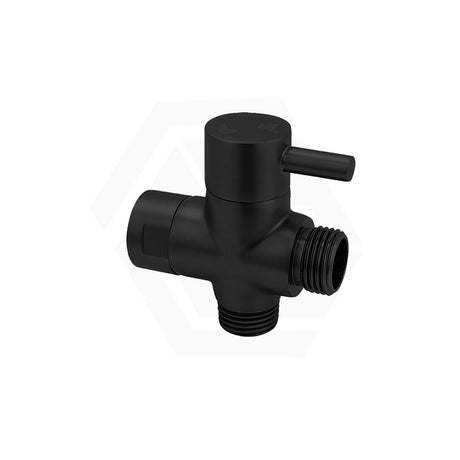
How does a bidet work? Water is connected to your existing plumbing supply. This is typically achieved by fitting a T-valve to the water inlet that serves your toilet. In this way, you can still fill your toilet’s cistern, but you’ll also have a water supply to operate your bidet. Once you turn your bidet on, water will be sprayed from a jet to clean your bottom. Different bidets will have different controls. Some will be mechanical, others will be electronic. The water is warmed either via a reservoir that sits in the unit, or instantaneously via an element. If you live in a cold climate, you’ll appreciate the instant warmth of your bidet on a chilly morning. The angle and force of the jet is important. A good bidet will ensure the jet is positioned so that it cleans your bottom properly without causing too much splashing. The position of the jet will vary from person-to-person, which is why many modern bidets will automatically adjust the position of the jet. Understanding these mechanics is the first step toward making an informed decision about which model suits your bathroom.

The Practical Application of Bidet Use
How to use a bidet starts with knowing the sequence. Once you’ve done your business, remain seated on the toilet and turn the bidet on. This might be via a button on an electronic seat, or by using a control panel. Use the control panel to select the setting you prefer. If you need to wash your front, use the front setting. If you need to wash your rear, use the rear setting. Use the control panel to adjust the pressure of the water to a setting you’re comfortable with. If it’s the first time you’ve used a bidet, it’s a good idea to start with a low setting and gradually increase the pressure as needed. A wash cycle will typically take around 20-30 seconds. You can repeat the cycle as many times as you like, and choose to wash your front and back, or just one or the other. If your bidet allows you to adjust the temperature, do this before you start the cleaning cycle. You don’t want a shock of hot or cold water in a sensitive place! Once you’ve finished with your wash cycle, you can choose to dry yourself. Some people like to use a little toilet paper to dry off after a bidet. This is still a great saving on your usual toilet paper use. Alternatively you can air-dry. Most electronic bidet seats have an air-dry function.

Bidet vs Toilet Paper: A Design Perspective
This debate about the bidet vs toilet paper has huge implications on bathroom design. Toilet paper requires large storage capacity, creates paper waste and uses a lot of water in the production process. Using a bidet as your primary form of hygiene reduces paper usage by up to 75 percent. This means that your bathroom can be designed to accommodate less storage for toilet paper, freeing up space for other things. This also reduces paper waste in Australian households, so is a more sustainable option. However, the human mind has to get used to using a bidet as the primary form of hygiene, and not the toilet paper. If you are struggling with this transition, some people advocate for using a bidet as the primary cleaning method, and a small amount of toilet paper to dry off. I believe in designing bathrooms to accommodate personal preference, rather than forcing people to adopt a particular hygiene routine.
Installation and Maintenance Considerations
To get the most out of a bidet, you need to have it properly installed. The bidet toilet seats and bidet attachments need to be connected to your water supply. This is usually connected under the vanity in the bathroom.
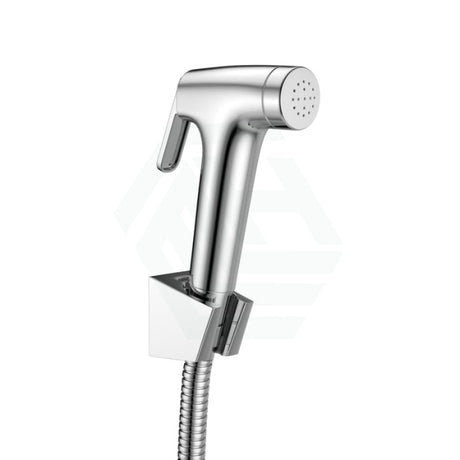
Pairing a toilet and bidet into a single fixture is the most space-efficient approach for Australian bathrooms. You can get a plumber to do this for you, or alternatively, many people DIY with the bidet attachments. The quality of your water supply will affect the performance of your bidet. If you have a lot of mineral in your water, over time mineral deposits can build up in the spray nozzles. Most good bidets come with a self-cleaning feature, where the nozzles are cleaned after each use. You shouldn’t need to clean your bidet unless you have a particularly problematic water supply. Parisi provide a maintenance manual for their high end models. If your bidet is installed correctly, you will get a much better experience from a bidet shower toilet. If it is installed badly, you might find that you don’t get enough pressure, or water leaks underneath the bowl. Both of these problems will cause frustration, and you might stop using the bidet. Because you don’t need to store any cleaning products near the toilet when you use a bidet, your bathroom organisation is simplified. This is one of the benefits that design focused homeowners will appreciate. Knowing how to use a bidet effectively means getting the installation right from the start.