

13 April, 2026
How Does a Toilet Work? A Simple Guide to Flush Mechanics
How does a toilet work? Simple guide to flush mechanics: cistern, fill valve, flapper, siphon effect and common faults. Easy maintenance tips to keep your toilet flushing properly.

What actually happens when you push that button?
When you press the flush button, a series of processes take place in your cistern. In effect, you're pressing the flush valve. This is a rubber plug at the bottom of your cistern. Once the flush valve opens up, the water in the cistern is freed by gravity and is sent through the flushing pipe and into the bowl at high speed.
This creates a vacuum. This vacuum is known as the siphon effect. The water rushes up and pushes all the contents over the toilet's trapway or siphon bend. When the contents have been pushed over, the siphon effect ends, which is that gurgling sound you can hear. The clean water that remains in the bowl provides a water seal that prevents sewer gases coming back up through the pipes.
An entire toilet flush cycle takes about 6 to 8 seconds. Gravity is the force that moves the water through the system, which is the reason most Australian residential toilets are gravity-flush models.

Inside the cistern — where the real magic lives
So what is a toilet cistern? It is your toilet's water tank that sits behind the bowl; it's the brain. If you were to lift the lid you'll find two major components.
The fill valve is the tall, slim thing on your water line. When you flush, the fill valve begins to fill the water cistern. The height of the water is dictated by the float rising as it fills. Once the water reaches the correct height, the valve cuts off the water, which explains the running sound you'll hear about a minute after you flush.
The flush valve is located at the bottom of the cistern, in the middle. There is a rubber cap on the flush valve that covers this hole. When you flush, the flush valve rod will lift the cap and the water is then released. When water runs out, the cap drops by gravity and refills the water cistern via the fill valve. Between these two components, you have the self-regulating cistern mechanism, which doesn't require any power to operate, only main water pressure and good physics.

The flush cycle, step by step
Here is how does a toilet work in practical terms. Pressing the flush button activates the flush valve. The water from the cistern flows into the bowl through the jet holes underneath the toilet rim. These jet holes create the swirling flush action inside the bowl. The rising water level triggers the siphon in the toilet trap, which pulls the contents of the bowl through the drainage system. The flapper valve opens, the float goes up and the fill valve is closed when the water cistern refills.
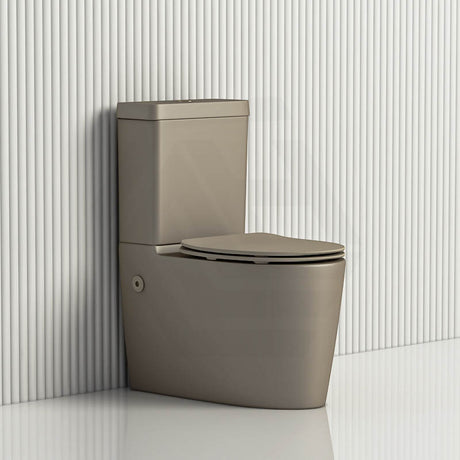
Different types of toilets work differently, and there's no disputing the fact that a close-coupled toilet is one that has its cistern bolted to its toilet bowl, and that a wall-faced toilet is one where its cistern is hidden behind a wall. But the way the toilet flushes won't differ much. Generally, most toilets in a typical Australian home follow the sequence of filling, storing, releasing, siphoning, and then refilling.

When things go wrong
If your toilet not flushing properly, it is most probably due to the flapper valve or fill valve being damaged. A worn flapper valve is most likely to be the problem. The flapper is a rubber part at the bottom of the cistern, which wears down over time (wearing occurs even faster when using an in-cistern cleaning tablet). A worn flapper valve will usually produce an occasional running sound and will result in a higher water bill before you even notice.
A broken fill valve can cause the cistern to overfill or it can't be filled fully, but this is very easy to fix. A replacement costs $15 to $40 from Bunnings and only takes around 20 minutes to install. If you're thinking of changing things up, consider a seat bidet toilet which offers additional functions without the need to change your entire toilet.
Keeping your toilet happy
Taking care of your toilet is a breeze. Every six months, take a look at the flapper valve and replace it if it looks warped and slimy. It is only five minutes, but it can save you hundreds of dollars of water loss each year. You should also check the fill valve float to ensure that it moves freely. If your cistern takes more than 2 minutes to refill after you flush it, you may need to clean or replace your fill valve. Avoid chemical drain cleaners for your toilet because they can corrode the rubber seals. A plunger plus hot water is often all you need to fix a toilet blockage.
Another thing you may want to think about if you are doing a renovation or just upgrading your house is a toilet seat and bidet combo. You can easily install a bidet and toilet seat combo in less than 30 minutes (without the need for a plumber) on your existing toilet, and you can hook it up to the same water source that fills your cistern.