

05 May, 2026
Bidet Invented: History of the Japanese Toilet and Modern Smart Features
Bidet invented in 1700s France, perfected by Japanese innovation. Discover the history of the bidet and modern smart toilet features, benefits and how to choose the right one for your Australian bathroom.

Who Invented the Bidet and When
We rarely think about how our bathrooms came to be, but the history of the bidet is actually quite interesting. The first bidet made its debut in France during the early 1700s. It was, however, the Japanese who eventually created one of the greatest bathroom advancements of all time.
Bidet comes from the French word for small pony, which alludes to the riding style used when sitting on this plumbing fixture. To define bidet in its original sense: it was a standalone basin for personal hygiene, made from ceramic by French artisans. This invention was first mentioned around 1710 in some Parisian furniture design. This type of device quickly became common in French bathrooms.
In subsequent centuries, as European plumbing improved and water became available in homes, bidets became standard in most European countries that spoke Romance languages, such as Italy, Spain and Portugal.

From French Bathrooms to Japanese Innovation
After establishing that the bidet was invented in France, we must discuss what the Japanese did with the invention. While some of Europe adopted the bidet invented many years earlier, Australia and many English-speaking countries did not. Japan, however, did.
In 1980, a Japanese sanitary ware firm introduced the world's first electronic bidet seat to the Japanese home market, revolutionising personal hygiene. Japan's tradition of cleanliness and its reputation as an electronics powerhouse made an integrated electronic bidet seat the next logical step. This was made easier by Japanese bathroom layouts and the nation's desire for comfort. Within a decade, electronic bidet seats had become a fixture in the majority of Japanese homes, hotels, and public facilities.
The Japanese toilet seat wasn't a clone of the French bidet invented long before.

How the Japanese Toilet Transformed Bidet Technology
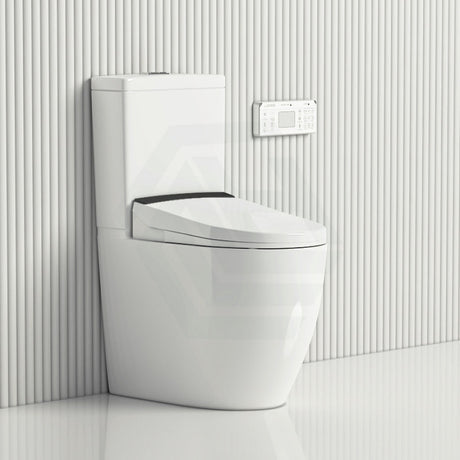
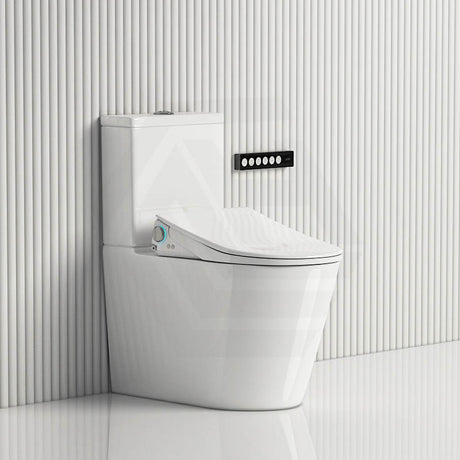
While the first French bidet invented three hundred years ago was a ceramic bowl with a tap, the toilet seat created by the Japanese is actually an appliance. Understanding bidet meaning in the modern context means recognising this shift — from a simple basin to a fully electronic hygiene system.
The technological advances are measurable. Water pressure can be controlled with modern smart seats, adjustable from 0.04 to 0.8 MPa. The temperature of water for the wash is regulated to ensure comfortable temperatures for users, with most smart seats between 30 and 40°C, but also well under AS/NZS 3500.4's limit of 50°C maximum delivery temperature at bathroom outlets. Heated seat covers, air drying up to 60°C, automatic deodorising and nozzle cleaning all signal a transition from mechanical engineering to full electronic engineering — a shift from a separate basin that you sit astride, to a seat cover that fits directly onto a standard toilet suite.
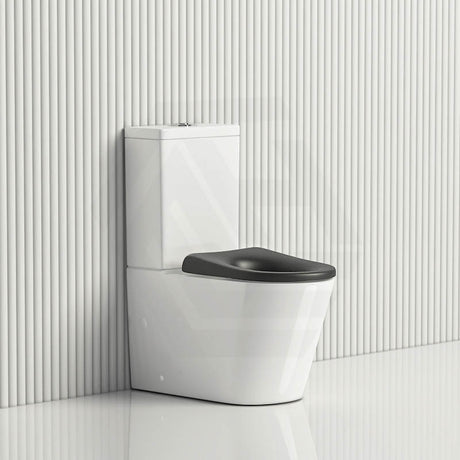
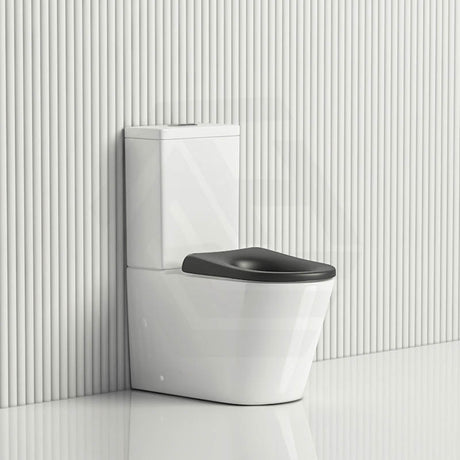
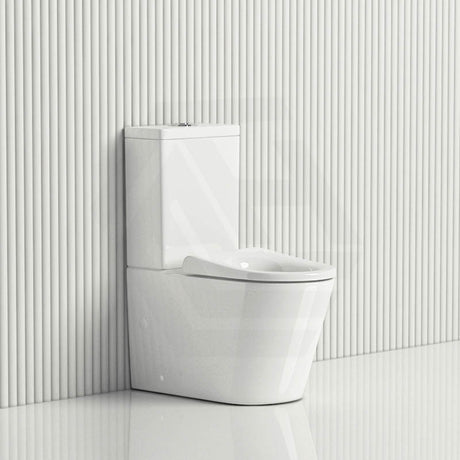
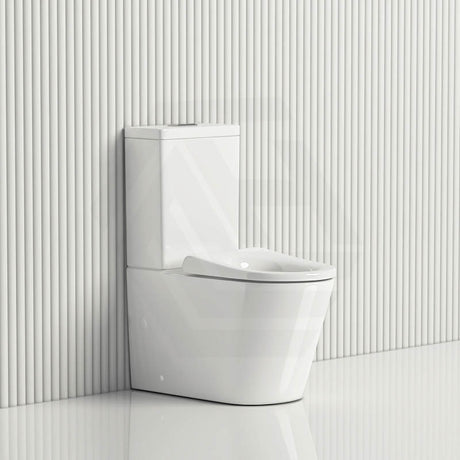
Today's japanese toilets represent the pinnacle of this evolution, combining precision engineering with everyday comfort.

Core Smart Features of the Modern Japanese Toilet Seat
Smart seat cover technology has resulted in the following key features:
Posterior and feminine (dual nozzle) cleaning options.
Some higher-tier seats offer pulsating or oscillating spray for additional comfort and cleaning.
Warm air drying, which can reach temperatures up to 60°C.
Adjustable seat warmth settings, ranging between 33 and 40°C.
Night lights, automatic lid open/close and remote or side control units (premium seats only).
Energy-saving settings, where heating functions are reduced during periods of lower usage, helping to offset operating costs.
Understanding how bidet is used in these modern seats is straightforward: the user selects their preferred wash mode via a remote or side panel, and the nozzle extends automatically to deliver a targeted water stream — no manual handling required. A dedicated bidet spray attachment is also a popular standalone option for those who prefer a simpler retrofit solution.

Choosing and Installing a Smart Bidet Seat in Australia
Once you have a better sense of which features matter most to you, you may feel more at ease selecting the right seat. There are also a few practical considerations worth noting.
Installation
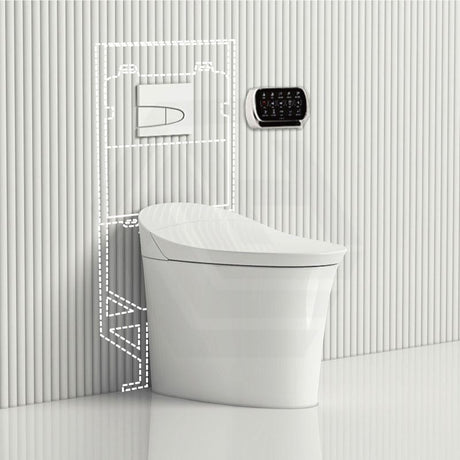
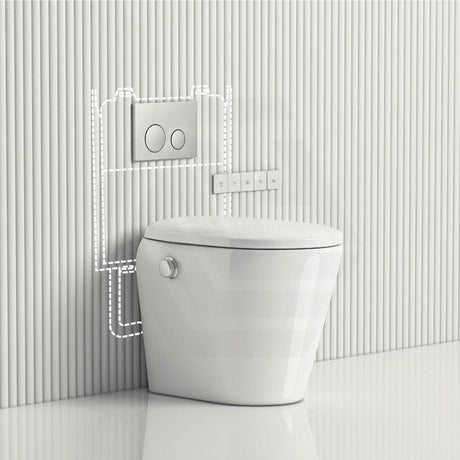
Toilets in Australia use either S-trap (floor outlet, typically 100–120mm setout) or P-trap (wall outlet, typically 185mm setout) configurations. Your seat choice does not affect this, but knowing your configuration matters if you ever upgrade the base toilet suite itself.
The majority of smart seat covers are designed to fit standard toilet pan dimensions, but you should confirm the seat cover you select fits your toilet correctly by checking the length and width of your pan.
Every bidet seat sold in Australia must carry WaterMark certification, which is a required national compliance standard. Products not meeting WaterMark requirements may be rejected by local plumbing authorities. You should also confirm the seat is WELS compliant — a mandatory water efficiency rating scheme for all toilet products sold in Australia.
Smart bidet seat covers require a standard 240V general purpose outlet (GPO) located near the toilet. A plug-in GPO connection is DIY-permissible in all states; however, any new electrical installation in the bathroom must be carried out by a licensed electrician and comply with bathroom zone requirements under AS/NZS 3000:2018. Replacing the seat itself with a smart bidet seat cover is DIY-legal in every state, provided you are not modifying water supply pipes or waste connections, which must be performed by a licensed plumber. Most retrofit installations take around 30 minutes.
The cost of smart toilet seat covers in Australia starts at around $80 and can reach $1,846 AUD, depending on features, while fully integrated toilet bowl and bidet suites start at $1,619 AUD. Leading brands available in Australia include Poseidon, Kohler and Fienza.
References
AS/NZS 3500.4 Plumbing and Drainage — Heated Water Services, Standards Australia
National Construction Code 2022, Volume Three (Plumbing Code of Australia), Part A5 Documentation of Design and Construction — Lead-Free Copper Alloy Requirements
WaterMark Certification Scheme, Australian Building Codes Board
AS/NZS 3000:2018 Electrical Installations (Wiring Rules), Standards Australia