23 June, 2026
How Do You Remove Toilet Bowl Stains? An Aussie Homeowner's Reference
Find out how do you remove toilet bowl stains caused by hard water, rust, and limescale, and get your toilet sparkling clean again!

Video Credit: Cleaning How To
Understanding What Causes Toilet Bowl Stains Down Under
The bathroom gets scrutinised more closely than any other space in your house, and there is nothing that makes an otherwise sparkling room look shoddy than a dingy, stained toilet bowl. Before asking the question, "How do you remove toilet bowl stains?" it helps to be aware of the nature of the stain. Trying the wrong treatment on the wrong type of stain can do absolutely nothing to help, and can actually end up damaging the material of the bowl.
The vast majority of toilet stains in Australia fall into three broad categories:
Hard water stains are caused by a build-up of minerals in your water supply. Calcium and limescale leave deposits that look white or grey, generally sitting around the waterline.
Rust stains result from bore water, which usually has an iron content; they appear red or orange and typically affect homes located in regional Queensland, South Australia and Western Australia.
Mould and bacteria stains are classified as organic stains and appear as dark or black spots. These generally form in the area under the rim or near the outlet pipe.
The prevalence of the three types of stain varies around the country, due to the variation in mineral content between Australian water supplies. Adelaide, for example, is known for having some of the hardest water on the continent, so you need to pay extra attention to its mineral content to prevent an excess of limescale deposits in comparison to say, Sydney or Melbourne. Knowing what type of water is in your area is useful advice when considering how much to bother about cleaning your toilet bowl.
There are two basic types of cleaning agent available: those which are acid-based and those which are bleach or enzyme-based. The first type dissolves mineral deposits such as calcium and limescale, and rust. The latter type cleanses against bacteria or mould. Never confuse either of these with the other, and never mix bleach and any type of acid cleaner together — doing so produces toxic chlorine gas.

Preparation: Gathering Your Tools and Cleaning Supplies
Now that you have a good idea of what kind of stains your toilet bowl is likely to suffer from, it is time to gather the right tools and cleaning agents for the job.
The tools you will need are a good quality toilet brush, a pumice stone available in most hardware stores for $5–$10, some rubber gloves, and protective safety glasses. If you are using any kind of commercial limescale remover or hydrochloric acid-based product, eye protection is non-negotiable. For the chemistry part of the equation, look for white vinegar, bicarbonate of soda, and citric acid powder. They are inexpensive, easy to find, and non-abrasive to surfaces like glazed ceramic and vitreous china. Citric acid powder, which helps remove mineral deposits, is sold at most supermarkets and health food stores for $3–$6 per 500g. For a more severe limescale problem, an acid-based limescale remover can be used; check the active ingredient and ensure that the product will not attack your porcelain surface before use. Bleach is the standard treatment for mould and bacteria. Be sure to ventilate the bathroom well by either opening a window or turning on the exhaust fan when cleaning; this holds true for all cleaners.

Step-by-Step: How Do You Remove Toilet Bowl Stains
With the right supplies gathered and safety considered, you can now get down to removing a dirty toilet bowl stain. First, turn off the water supply at the isolation tap and flush to lower the water level. Lowering the water in the bowl exposes any staining above the waterline and prevents your cleaning agent from being diluted. Once the water level has been reduced, apply your chosen product to the targeted area. If you are tackling a ring stain or limescale, use citric acid or a limescale remover and allow a dwell time of 15–20 minutes — longer if the stain is heavier. If you are going after mould or another organic stain, apply bleach and leave it for 10 minutes. Scrub the area with a toilet brush using firm circular strokes; do not use a scouring pad on glazed porcelain, as you will only scratch the glaze and make future staining worse. Flush and inspect. In many cases, a single application will not be enough to clear a stained toilet, so repeat as necessary.
A very common mistake is the tendency to scrub a bowl dry, or not to allow enough dwell time for the chemical to react. Patience is more productive than elbow grease here — the chemistry of the solution has to react to the deposit before cleaning begins.

Tackling the Most Stubborn Stains in Hard-to-Reach Areas
The process described above will handle the majority of stain removal, but for stains left behind — especially in hard-to-reach places — here are further options.
If a mineral ring refuses to budge after treatment with an acid-based cleaner, a pumice stone can be used on a wet porcelain surface. Provided both the stone and the surface stay wet, you can safely abrade the mineral deposit without damaging the glaze. For an overnight treatment, pour straight white vinegar into the bowl and follow that with bicarbonate of soda. Once the fizzing has finished, leave the toilet overnight and scrub the bowl the next morning.
The toilet bowl parts most difficult to clean are the siphon jet hole at the bottom of the bowl and the channels under the rim, especially on older traditional rimmed designs. Dirt and bacteria can easily build up in these areas, and a normal toilet brush cannot reach them properly. Use a small angled brush or an old toothbrush with a citric acid solution applied via a squeeze bottle to treat these channels. The area under the rim on traditional rimmed toilets consistently holds more staining, even when the rest of the bowl is cleaned regularly.

Keeping Toilet Bowl Stains from Coming Back
Getting toilet bowl staining out is only part of the story. Good cleaning habits and the right products help ensure staining does not build up again.
Your standard routine should involve weekly scrubbing with a toilet brush and light cleanser, and a once-monthly citric acid or white vinegar rinse — especially if your local water hardness exceeds 200 mg/L. Adelaide often records water hardness in the range of 300 mg/L, so monthly acid rinses are particularly warranted there. In-cistern or in-bowl cleaning tablets provide constant background cleaning between sessions. These are inexpensive at $5–$12 for a multipack and require zero effort.
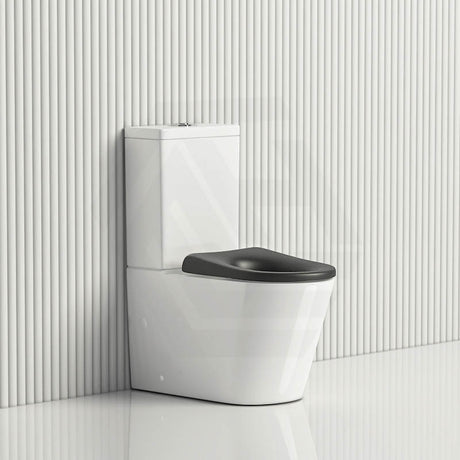
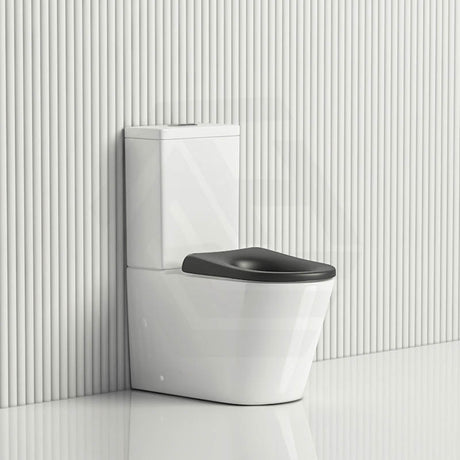
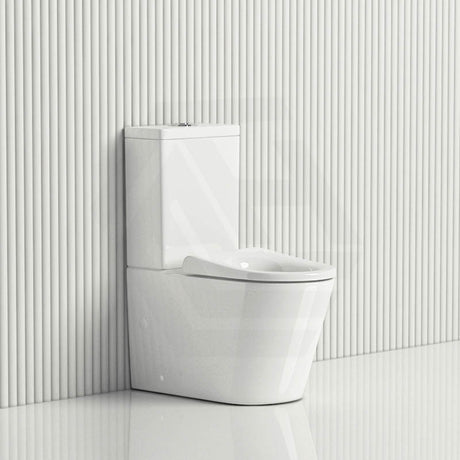
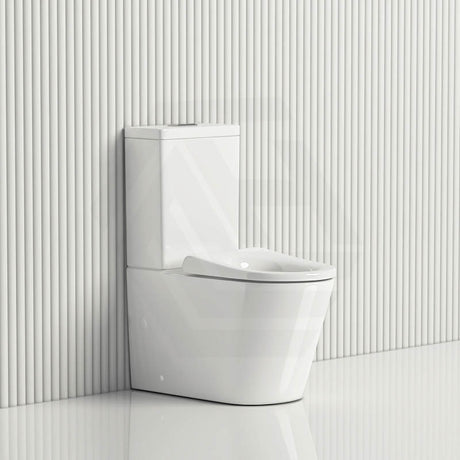
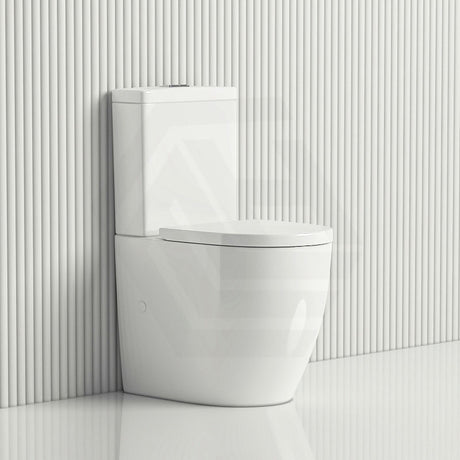
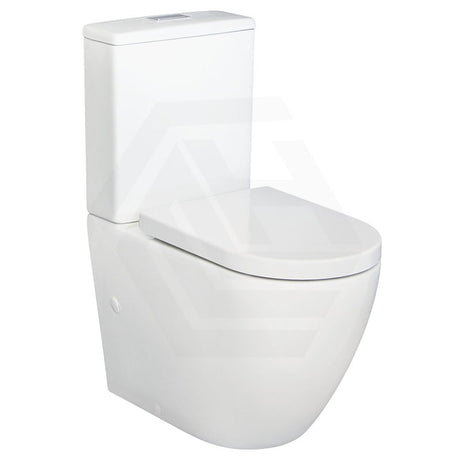
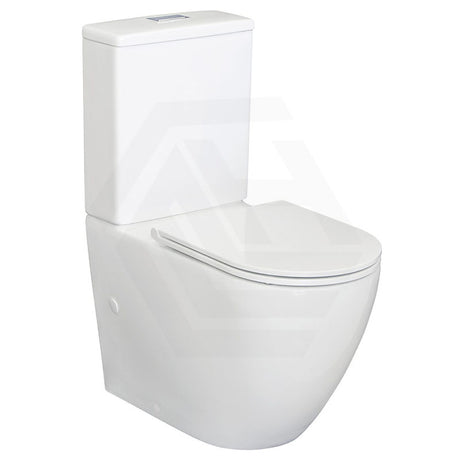
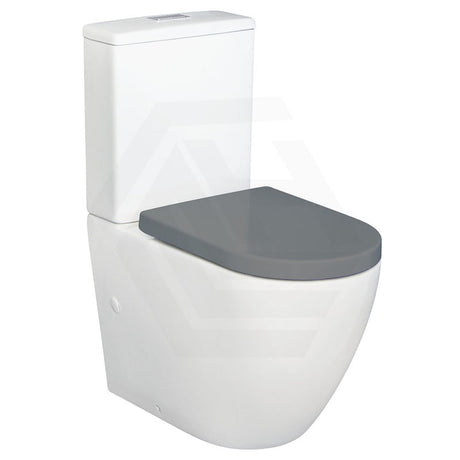
Your toilet design is a significant factor in how easy it is to keep the bowl clean. If you are considering a replacement, a rimless commode is easier to maintain than an older traditional rimmed toilet. On a rimless commode there is no hidden rim channel for unseen dirt to gather in, and the entire bowl interior is reached by each flush and brush stroke. Rimless toilet suites from Fienza and Poseidon are priced between $400–$800, and many feature a nano-glaze coating on the ceramic surface that resists staining. These suites typically carry a WELS 4-star rating, using 4.5 litres per full flush — sufficient volume to wash the entire inner surface of the bowl with each use.
Keep a close eye on your toilet cistern as well. If your toilet cistern is slow to refill or leaks water continuously into the bowl, stagnant water will sit longer than it should, allowing minerals to settle quickly. If staining builds up faster than usual between cleanings, a faulty inlet valve or float in the toilet cistern is a likely cause — and that is a job for a licensed plumber, not a DIY fix. Understanding how do you remove toilet bowl stains that keep returning often comes down to fixing the source, not just scrubbing harder. Spotting the symptoms early could save hours of scrubbing in future.