

09 April, 2026
How to Fix a Running Toilet: Complete Troubleshooting Guide
How to fix a running toilet: easy step-by-step troubleshooting for flapper valve, fill valve and overflow issues. Save water and money with simple DIY repairs before calling a plumber.

What Causes a Running Toilet (And Why It Matters)
A toilet that runs constantly can waste up to 25,000 litres of water per year. Learning how to fix a running toilet is one of the best ways you can save money as a homeowner. As a plumber, I have found that a running toilet is almost always caused by one of three things: a faulty flapper valve, a faulty fill valve or an issue with the overflow tube. It's not hard to figure out the problem once you understand the basic mechanics of the cistern. Ignoring it could turn a $15 repair into a $300 one.

Step-by-Step Diagnosis: Is Your Toilet Actually Running?
Before you start digging into the cistern, confirm that your toilet is actually running. Sometimes what you perceive to be a running toilet is just the cistern filling up after you flush. That's normal. Remove the lid and flush.
1. If the water stops filling the cistern after 30 to 60 seconds, you don't have a problem.
2. If the water continues to run past that time, you have an issue.
3. If you can hear a hissing sound, the problem is likely with your fill valve.
Another way to check is to put a few drops of food colouring in the cistern. Wait 15 minutes and then look in the bowl. If there's colour in the bowl, you have a leak.

The Fill Valve: Most Common Culprit
The fill valve is the culprit most often when it comes to a running toilet. When someone tells me their toilet water keeps running, I always check the fill valve first. It controls how water enters the cistern after a flush, and it should shut off once the cistern is full. If the fill valve has deteriorated (as it does every 5 to 7 years) it won't shut off properly. You'll hear a constant hissing sound and the water level will be above the overflow tube.
The first step in how to fix a running toilet caused by a faulty fill valve is simple. All you need is an adjustable spanner, a bucket and a new valve from Bunnings or Reece for $15 to $35. Turn off the isolation valve behind the toilet, flush the cistern, disconnect the old valve and replace it with the new one. Twenty minutes tops.

Flapper and Flush Valve Issues Explained
If the food colouring test shows colour in the bowl, you likely have a flapper issue. The flapper is the rubber valve at the bottom of your cistern that lifts when you flush and closes again to seal water in.
Over time, the rubber becomes distorted, cracked or mineral encrusted so it doesn't seal properly. Cost to replace one is less than $10. No tools required. Disconnect the old one, match it at the hardware store, then clip the new one on. If you are purchasing a new toilet, pay attention to the flush valve assembly quality. Some cheap ones use thin rubber that doesn't last.
If you've done this and still have a leak, the flush valve seat might be corroded. Try sanding it with fine emery paper, or replace the whole flush valve — a bigger job but manageable for a confident DIYer.

When to Call a Professional vs DIY Repair
When you learn how to fix a running toilet you will discover that most jobs are very simple. But there are times when it makes sense to call a licensed plumber. If you have replaced both the fill valve and flapper, and the toilet won't stop running, you could have a cracked cistern or a fault where the toilet and cistern are joined.
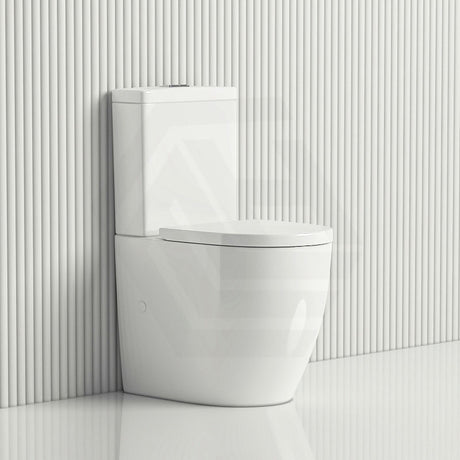
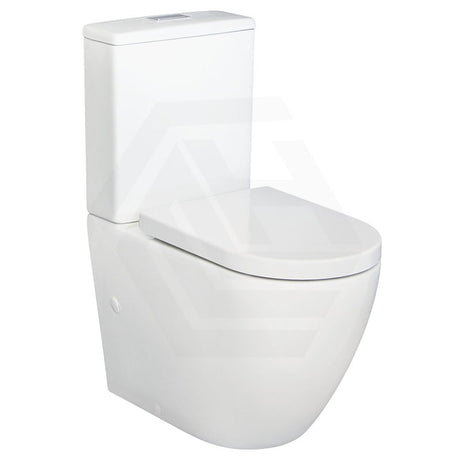
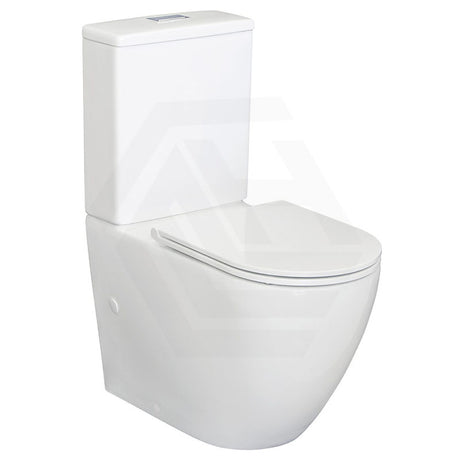
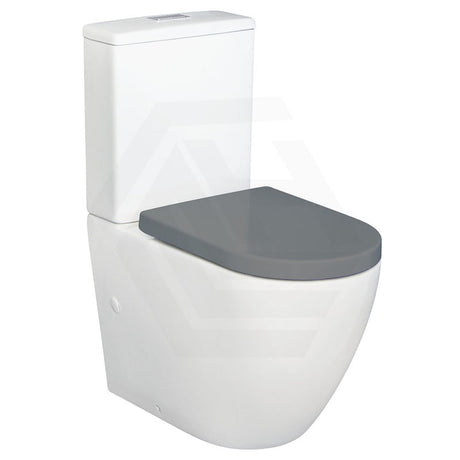
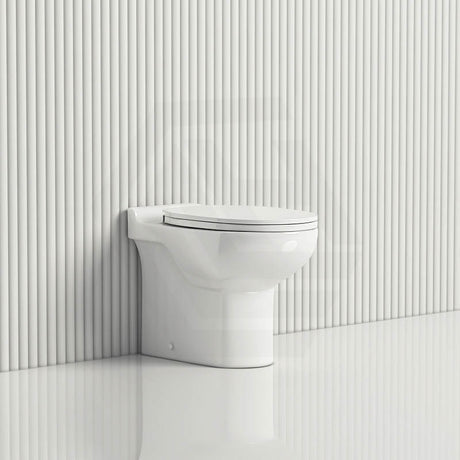
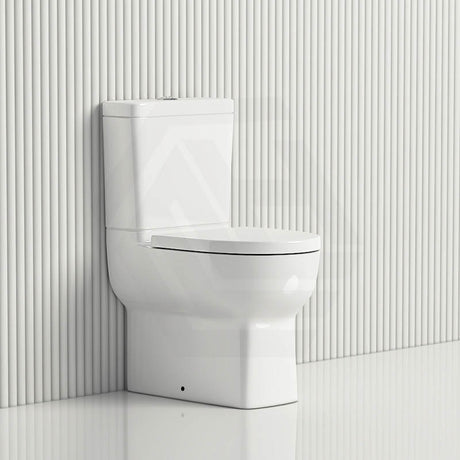
If your toilet is over 15 years old and you are chasing leaks, consider replacing the entire suite. A new dual-flush model uses about 4.5 litres per full flush compared to older single flush units at 11 litres or more. Make sure you purchase a quality toilet cistern with a WELS 4-star rating. The water savings over 10 to 15 years will far outweigh the cost.
A licensed plumber charges $80 to $150 for a callout. Follow the steps above and you could save that fee with a hardware store trip and 30 minutes of your time.