

30 April, 2026
Towel Rail Height and Bathroom Fixture Dimensions Guide
Towel rail height and bathroom fixture dimensions guide: standard heights for towel rails, vanities, mirrors and accessories. Practical placement tips for a cohesive and functional Australian bathroom design.

Standard Towel Rail Heights and Placement Guidelines
Towel rail height is one of the most critical factors to get right when designing a bathroom. The typical height for a hand towel rail is 900 mm to 1000 mm from the finished floor. The height for a bath towel rail is 1000 mm to 1200 mm (anything below 1000 mm and you risk a towel touching the floor, especially with oversized bath towels). The rail length depends on the towel size; 600 mm will work for a hand towel beside the basin. 750 mm and 900 mm are the typical lengths for bath towels.
ThermoGroup heated towel rails must be hardwired by a qualified electrician. A heated towel rail should be positioned 300 mm to 400 mm from the edge of the shower screen. This will ensure the towels can be reached and will be conveniently warm when the shower is finished.

Vanity Dimensions: Height, Width and Depth Standards in Australia
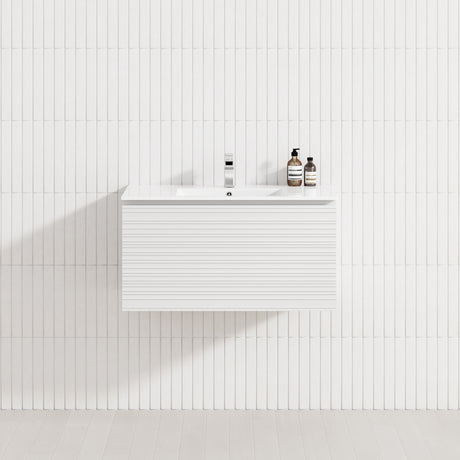
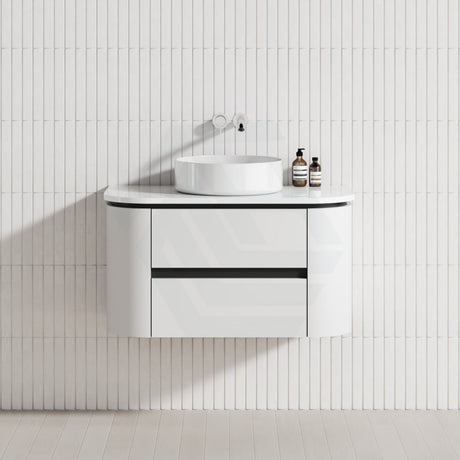
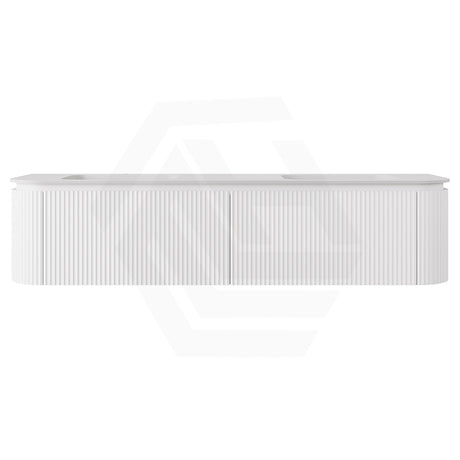
The vanity is typically the main feature and anchor point of any bathroom. Once it is located the rest of the bathroom fixtures are planned around it. This means getting the bathroom vanity dimensions right when the project is first planned can save expensive changes later.
The standard vanity height Australia benchmark ranges from 850 mm to 900 mm floor to benchtop. This is suitable for most adults. I have, however, fitted bathroom vanities up to 950 mm high for some of my taller clients. Bathroom vanity width will depend on the overall size of the bathroom. Vanities typically range from 600 mm (for a small powder room) to 1500 mm (for a double basin) with 900 mm the most commonly installed size. A typical bathroom vanity depth ranges from 350 mm (for a small slimline wall hung vanity) through to 450 mm as the standard with 550 mm for a deeper vanity.
If you opt for a wall hung vanity it is best to ensure it is mounted to a stud and not just the plasterboard. Vanities can be PVC construction (waterproof and the cheapest option) or made from plywood (the most expensive but the strongest option).

Mirror, Toilet Roll Holder and Accessory Placement Heights
The mirror should be installed above the vanity and its height depends on the vanity height. The bottom of the mirror should be 150 mm to 200 mm higher than the top of the vanity. This works out at a standard height of 1000 mm to 1050 mm from the floor. This is at eye-line. An electrician can install an LED mirror but must hardwire it to the power supply — the same positioning rule applies.
The toilet roll holder should be positioned between 600 mm and 700 mm from the floor and 200 mm to 300 mm from the middle of the toilet pan. Robe hooks are typically positioned 1500 mm to 1700 mm high so that a bathrobe does not touch the floor.
The last thing I should note and always remind my clients of is to ensure you use the same finish for your towel rail, toilet roll holder, robe hooks and other bathroom accessories. Either a matt black finish, brushed nickel or a brushed gold finish. The last thing you want is mixing finishes throughout as this will look like an afterthought.

Coordinating Fixture Placement for a Cohesive Design
Dimension recommendations are helpful to know, but the true challenge lies in harmonising the visual relationships of everything in the room. I like to think of bathrooms as having a centreline — the mirror, basin and any wall-mounted accessories, such as a soap dispenser or towel rail, ideally share a common line. Having offset accessories can disrupt the continuity of a feature wall.
There is no need to strictly adhere to symmetry. If there is a double vanity, there may be a twin mirror arrangement to create formal symmetry; or one vanity with a towel rail on one side and shelving on the other to achieve the visual weight of an asymmetrical balance. Both are perfectly valid design outcomes.
The finish of the tapware, shower fixtures, vanity, mirror or robe hooks also play an integral role in tying a bathroom's design together. A stone vanity top paired with brushed gold tapware creates a cohesive palette that ties the room together. I am a big believer that the entire collection of bathroom accessories needs to have a unified feel to them.

Practical Considerations for Families, Accessibility and Universal Design
The dimensions in this article are based on a one-size-fits-all approach. The majority of families are not one-size-fits-all either, so the bathroom needs to accommodate everyone living in the house. If the homeowner has young children, they might install a separate hand towel rail at around 600 mm to 700 mm from the finished floor level so the child has independent access to a hand towel.
If accessibility is a consideration, under the Livable Housing provisions of the National Construction Code, new dwellings must have a minimum clear doorway opening of 820 mm (NCC 2022, ABCB Housing Provisions, Part 12.2). Grab rails can also provide a towel rail solution if installed at a height of between 800 mm and 900 mm from the finished floor level. This height range is suitable for both seated users and people standing.
Consider standard vanity height in the context of wheelchair access — 800 mm with open space beneath allows clearance, and wall-mounted vanity tops keep the design clean. When choosing a contemporary vanity bathroom layout, make sure you have enough clearance to accommodate a wheelchair or turning circles. The towel rail height for seated users may need to drop down from a standard 900 mm to around 750 mm.
References
National Construction Code 2022, ABCB Housing Provisions, Part 12.2 Livable Housing