

08 April, 2026
How to Install a Toilet: A Complete DIY Guide
How to install a toilet step-by-step: complete DIY guide with tools, wax ring tips, leak prevention and common mistakes to avoid for a secure, professional-looking installation.

Before You Start
If you have ever found yourself standing in the middle of the plumbing section staring blankly at the wall of cisterns and connector hoses, you are not alone. I have done it twice now, and the good news is that learning how to install a toilet really is one of those DIY jobs that most competent homeowners can tackle with a bit of planning and patience. It’s not as scary as it looks, I promise.
The number one rule before you start is to have everything you need ready. You will need an adjustable wrench, a spirit level, a new wax ring or rubber seal (I like the wax-free ones now, they’re less messy), silicone sealant, a bucket and old towels and, of course, your new toilet. A plumber I spoke to last year said he always takes a second wax ring with him, just in case.
Step-by-Step Installation Guide
First things first, you need to know how to remove a toilet before you can fit the new one. Turn off the water supply at the isolation valve behind the loo, flush to empty the cistern then remove the water supply line. You will want to soak up as much water as you can from the bowl with old towels. Unscrew the bolts at the base, gently rock the loo to break the old seal then lift it straight off. Have that bucket at the ready, as there will be water. Stuff a rag into the drain to keep the sewer gases at bay while you work.
Right, now for the fun part. If you are wondering how to install a toilet from scratch, it really isn’t that hard. Start by scraping out as much of the old wax or sealant as you can from the flange on the floor. Place your new wax ring or seal onto the flange, centred over the drain. Carefully lower your new loo onto the flange, ensuring the bolt holes line up. I find it helps to have someone talking you through from the side because you really do need to get it straight in the first go. Press the loo down firmly to compress the seal then hand tighten the bolts, in an alternating pattern (one side, then the other) so the loo is seated evenly. Get your spirit level out to make sure it is sitting level. Overtightening the bolts is probably the most common mistake people make, as you can crack the porcelain if you get too enthusiastic with the wrench.
Connect the water supply line to the cistern inlet valve, turn the water back on slowly and let the cistern fill. Flush the loo a few times to make sure it is all working, then check around the base for any sign of water. If all seems dry, run a thin bead of silicone around the base where it meets the floor. Some people don’t bother with this step but I think it gives a much neater, more finished appearance and stops water from seeping underneath.

Common Problems and How to Fix Them
Despite your best efforts, things can still go wrong. If you find your toilet not filling with water after you have turned the supply back on, check the isolation valve is fully open and that the fill valve inside the cistern is working. Sometimes the float gets a bit stuck in transit and just needs a bit of a fiddle.
A toilet leaking from base is another common problem that can rear its head in the first few days. This usually means the wax ring was not installed correctly or the toilet was not sat down hard enough on the flange. There is no solution to this other than removing the toilet and replacing the seal, sorry. If the flange is damaged or set too low, this is when you need to call a licensed plumber.

Choosing the Right Toilet for Your Home
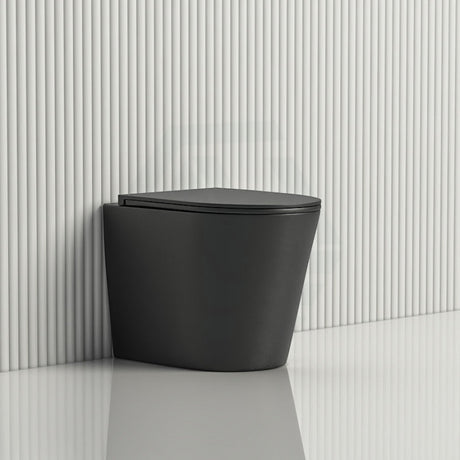
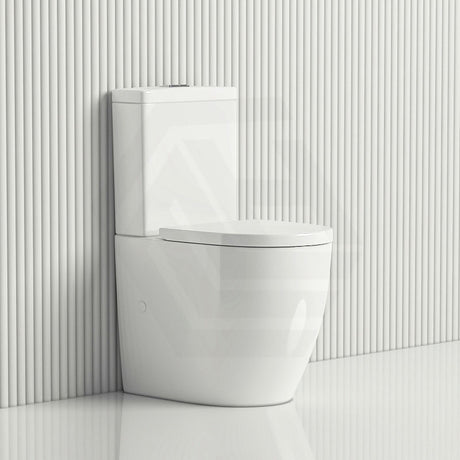
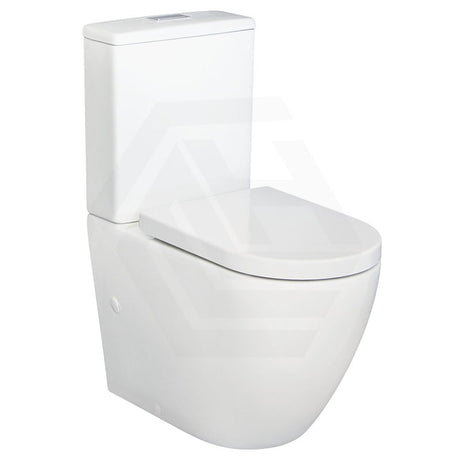
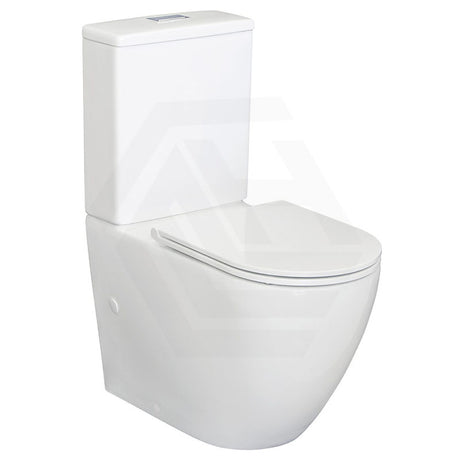
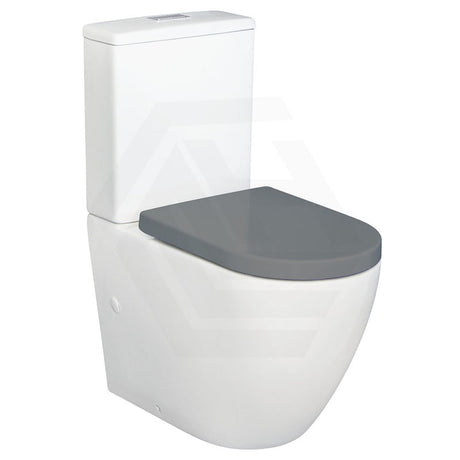
This is the fun part for someone like me who spends far too much time looking at bathroom fittings. When it comes to how to install a toilet, the type of toilet you choose is very important. A commode p trap is the most common type found in Australian homes and connects to the floor waste, and is the most common choice for replacement installations. I have been really impressed with fienza toilets of late, as their product range strikes that balance between great design and reasonable price that Australian consumers love. If you are building from scratch and want something more contemporary, a toilet bidet combo is becoming increasingly popular and is not much harder to install (although you will need a power point nearby for the bidet seat). Consider the water rating as well, as anything with a four-star WELS rating will save you money on your water bill in the long run.

When to Call a Professional
I am a big believer in DIY, but there are times when calling in a licensed plumber is just the better option. If you need to shift the waste pipe, or there is damage to the flange or the floor, or you are connecting to a mains sewerage system for the first time, you will need a licensed tradesperson in most states. Do not take plumbing compliance lightly, as incorrect installation can invalidate your home insurance and cause major issues with leaks under the floor. My advice would be know your limitations, as the installation is fine, but anything to do with the plumbing infrastructure is best left to a qualified person.