

29 May, 2026
Complete Guide to Farmhouse Bathroom
Create a stunning farmhouse bathroom with the right timber, freestanding bath, wall finishes and hardware. Your complete Australian guide.

Video Credit: Farmhouse on Boone
What Makes a Bathroom 'Farmhouse Style'?
Let's clarify the distinction between a farmhouse bathroom and a merely "pretty" one. A designer can create a mood board with a "cosy farmhouse vibe," but that description will do you no good when you are shopping for bathroom fittings. It will not guide a purchase.
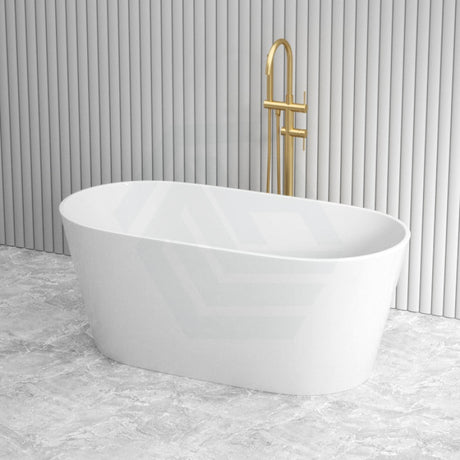
At their root, farmhouse bathrooms are composed of four key components: exposed natural timber, a freestanding bath as the focal point, subway or shiplap wall finishes, and brushed nickel, brushed gold, or dusk bronze hardware finishes. Get those four details right, and you will nail the farmhouse bathroom style.
However, there is a distinction to make. This style of bathroom has a cousin: a Hamptons style bathroom. This will feature painted cabinetry, marble finishes, and a more polished or reflective chrome hardware finish — think more sophisticated, or coastal, or formal. And then there is the rustic bathroom, which typically takes the style into a darker, rougher space, leaning more heavily into stone.
A good rule of thumb when determining if something looks farmhouse style is the hardware finish:
Chrome finish = Hamptons bathroom
Matte black finish = modern
Dusk bronze or brushed gold finish = farmhouse
Now that you have a good understanding of the key visual elements that make up a farmhouse bathroom, you need to understand which bathroom materials will allow you to incorporate those features and how to make sure they hold up against the demands of a wet area.

Key Materials and Finishes for a Farmhouse Bathroom
The cornerstone of a farmhouse bathroom is the subway tile. Australian standard subways measure 75×300mm or 100×300mm — not the US size you will see on design websites and social media. Use a polished finish for wall tiles and a matte finish for floor tiles. You need the latter for compliance with the minimum required P-rating under AS 4586.
Shiplap wall cladding is also very common to farmhouse bathrooms, but you have to be smart about your cladding material. The bathroom is a wet area and shiplap materials such as real timber and MDF panels are highly sensitive to moisture and will be unsuitable as a shower wall finish, even if you take great care in sealing it. I've seen MDF shiplap panelling in a bathroom without good ventilation break up and delaminate in as little as two years. PVC shiplap panelling is the better choice. If you do wish to feature real timber, it is fine for a dry feature wall outside the shower area.
When selecting a bathroom vanity top, either stone-look porcelain or natural stone will work fine. Natural stone will need sealing on an annual basis. Stone-look porcelain does not need sealing. Either way, you will be looking for a very similar outcome, so you should consider the difference in pricing for those two options.
Regardless of your finish choice, your bathroom surfaces need to be properly waterproofed. Under NCC 2022, shower walls must be waterproofed to at least 1800mm above the floor substrate (NCC 2022, ABCB Housing Provisions, Part 10.2), and bath-adjacent walls must be waterproofed to at least 150mm above the rim. This work must be done to the standard that sets out membrane application requirements for domestic wet areas (AS 3740:2021). Note: this work must be performed by a licensed tradesperson.
Choosing the appropriate materials for your farmhouse bathroom is only half the battle. Ensuring that fixtures are positioned appropriately and that the space meets Australian requirements for clearances and waterproofing will determine whether your new room is both practical and compliant.

Layout, Sizing, and Practical Planning Considerations
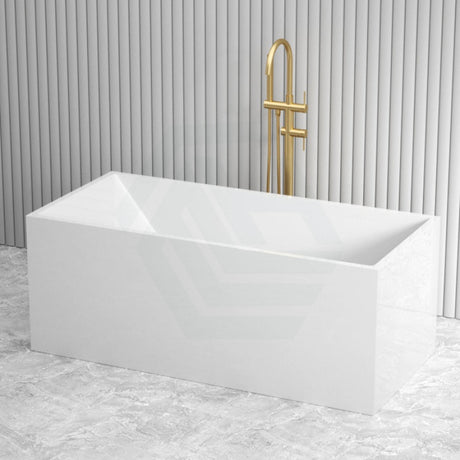
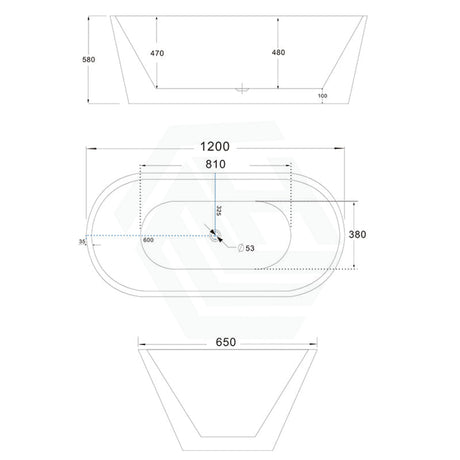
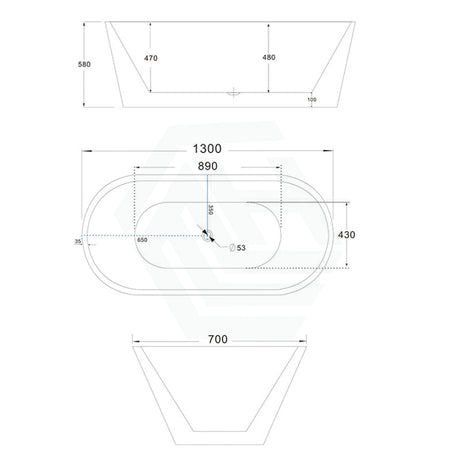
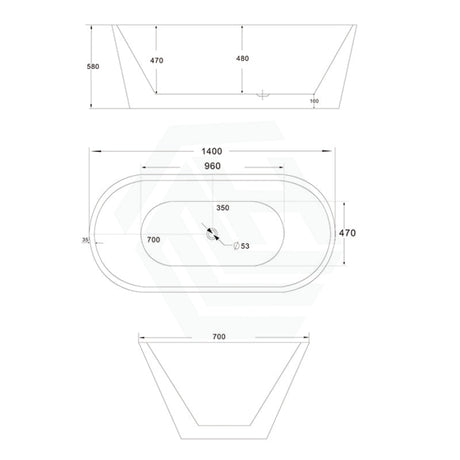
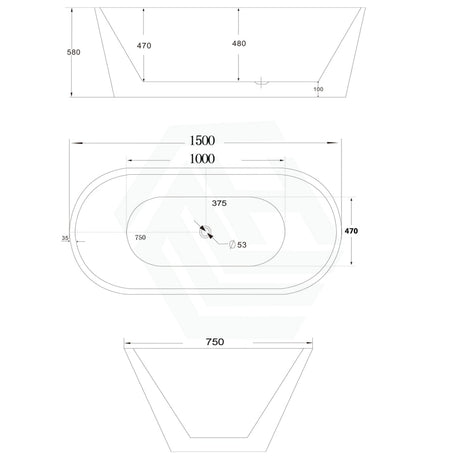
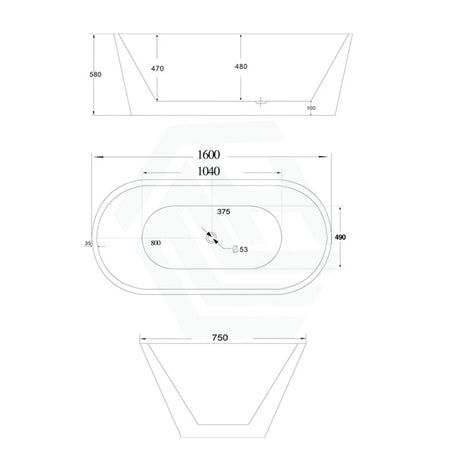
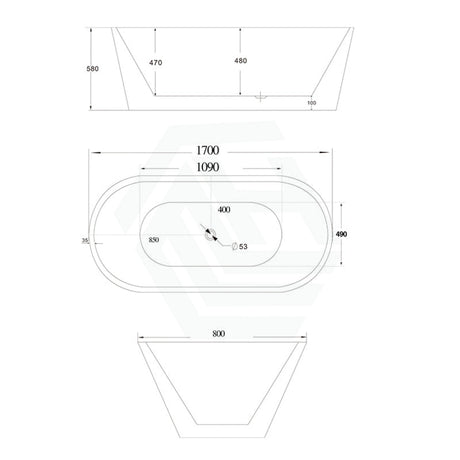
In my experience the most common issue with farmhouse bathrooms is getting the bath space wrong. A freestanding bath will need a minimum of 200mm clear on each long side and 300mm clear at the tap end. That may not sound like much, but it is the bare minimum. A 1700mm bath squeezed into a small bathroom footprint will not look good and you will have issues getting it clean behind.
When considering a bathroom vanity cabinet, you should make sure you have a minimum of 600mm clear floor space in front of it. In Australia, a standard toilet rough-in will have the pan centreline 400mm away from the back wall, but this can differ by suite — check with your plumber before ordering. Make sure your bathroom has good airflow, even more important if you are going for timber. A bathroom exhaust fan sized for your bathroom's volume and ducted outside will keep your materials in good condition and prevent mould. There is really nowhere to compromise here. A farmhouse bathroom is achievable on a small scale, but you may need to compromise some vanity and tapware finish choices in exchange for the freestanding bath, which needs significant floor space to look good.

Choosing the Right Fixtures: Vanities, Toilets, and Baths
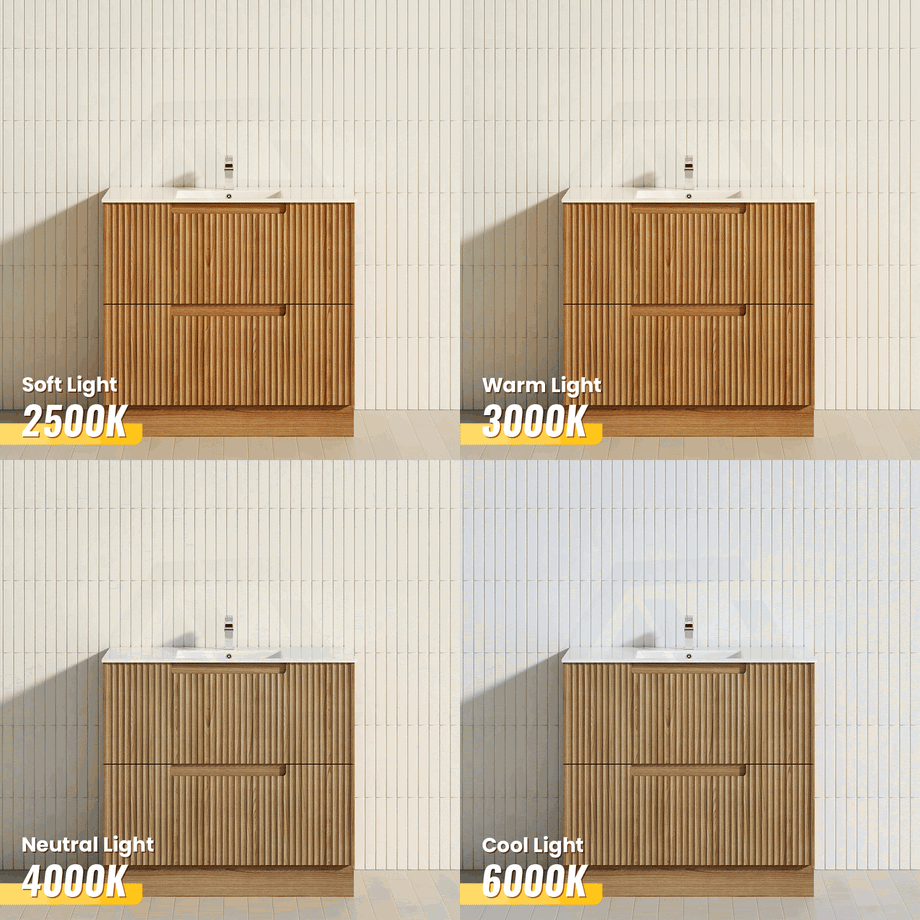
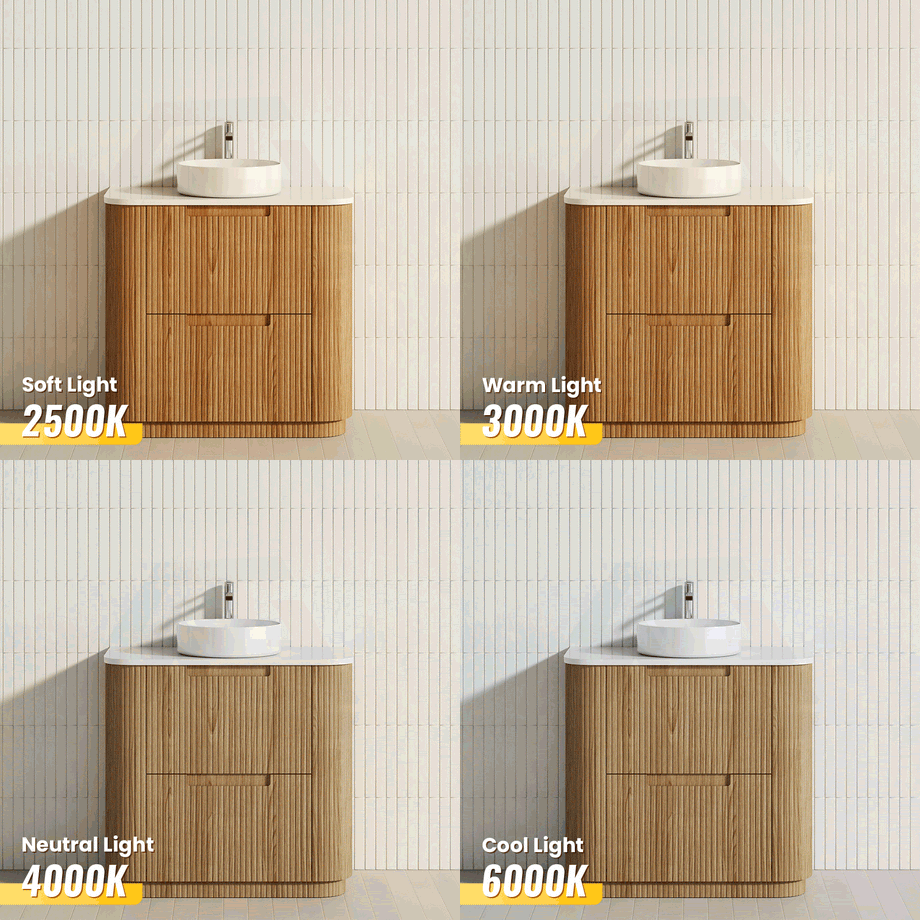
When it comes to a farmhouse bathroom, vanities, toilets, and baths are three separate fixture categories — not alternatives to one another. A timber bathroom vanity will naturally suit farmhouse style. Solid timber vanities, as well as premium plywood versions such as those from Aulic, have a real woodgrain character and cost. PVC vanities that are timber-like in appearance are more resistant to damp environments and considerably cheaper, with freestanding timber-look PVC vanities selling in the range of $238 to $1,378. Note that vanity cabinets are sold without a basin mixer or waste — these are purchased separately, and connecting the mixer connection requires a licensed plumber (AS/NZS 3000:2018).
Once the vanity is sorted, it's worth turning your attention to the toilet. A close coupled toilet suite is a strong farmhouse-style choice; the exposed cistern carries a vintage quality that suits the aesthetic well. Verify WaterMark and WELS compliance, and confirm the appropriate pan height for your household.
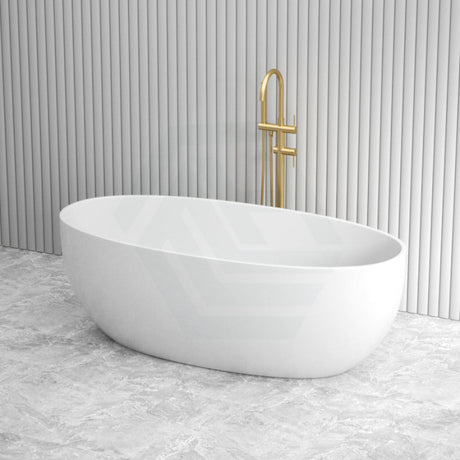
The bath is where the farmhouse bathroom style really comes to the fore. A clawfoot bath is the original farmhouse centrepiece. Cast iron versions are heavy and may require floor reinforcement — a filled cast iron bath weighs approximately 300kg — while acrylic versions with fibreglass backing are much lighter, with prices starting at $878. Waterproofing cure time before tiling can begin is typically two to three days, and a full renovation runs four to six weeks on site. Do not treat a freestanding bath as an afterthought; incorporate it into your plans from the start.

Budget Breakdown and Cost Ranges for a Farmhouse Bathroom
Depending on size, location, and the fixtures you choose, a farmhouse bathroom renovation in Australia will generally sit somewhere between $15,000 and $40,000 — though the final number can shift quite a bit based on your choices. According to the HIA Bathroom Renovation Cost Guide 2025, a small ensuite renovation would typically cost between $10,000 to $25,000 (HIA Bathroom Renovation Cost Guide 2025), with farmhouse selections adding to the cost of individual fixtures. The breakdown is broadly as follows:
Budget ($15,000–$20,000): Timber-look PVC vanity, entry-level acrylic freestanding bath, subway tiles, close coupled toilet suite, and brushed nickel tapware. Labour and waterproofing will use $6,000–$9,000 of this.
Mid-range ($20,000–$30,000): Plywood vanity with a stone-look benchtop, mid-range acrylic clawfoot bath, quality porcelain floor tiles, brushed gold tapware — for example, Bella Vista or Meir.
Premium ($30,000–$40,000+): Solid timber or Aulic plywood vanity, cast iron or high-end acrylic bath, genuine stone benchtop, Meir brushed gold tapware throughout, shiplap wall feature, heated towel rail.
Budget blow-outs tend to occur in two places: waterproofing and tiling labour is underestimated, and building defects go unnoticed until the walls are open. If you are renovating an older home, allow for at least a 15 per cent contingency — regardless of what the renovation shows on TV.
References
National Construction Code 2022, ABCB Housing Provisions, Part 10.2 Wet Areas
AS 3740:2021 Waterproofing of Domestic Wet Areas, Standards Australia
AS/NZS 3000:2018 Electrical Installations (Wiring Rules), Standards Australia
HIA (Housing Industry Association) — Bathroom Renovation Cost Guide 2025