

16 April, 2026
Bathroom Ideas Australia: Trends, Layouts and Budget Planning
Bathroom ideas Australia: practical layouts, standard dimensions, fixture placement rules and budget planning tips. Smart design advice for creating functional and stylish bathrooms in Australian homes.

Understanding Standard Bathroom Dimensions in Australia
Most bathrooms in Australia are between 5 m² and 8 m². The ensuite will typically be about 3 m² to 5 m². In a bathroom the size of these, every millimetre is vital in getting a shower, toilet, basin and even a bath, if there's room, to fit in the space.
I recommend measuring the dimensions of your room and laying this out either on graph paper or a computer program like simple CAD. Most doors are 820 mm in width in Australia, which immediately limits the space in which fixtures can be placed once the swinging space is accounted for. Room heights are typically 2.4 m to 2.7 m which affects the height of shower screens and where the air ducting needs to travel to in order to vent the bathroom. Knowing the exact measurements gives you a solid base to work off. No amount of pinning your perfect bathroom to Pinterest matters if the wall to wall measurement of your bathroom is only 2.4m but your chosen floor plan is going to require 3 m of space!

Layout Options for Different Room Shapes
The most common bathroom shape in a home is rectangular which will give you two options, either a straight run of your wet area along one wall with the vanity on the opposite or having the shower in the corner with the toilet on the furthest end of the room. A square bathroom layout is more flexible but often leads to an area of wasted space in the middle. In my experience with bathroom design, I have seen bathrooms left with large pockets of unused space directly in the centre of the room.
For bathroom ideas for smaller bathrooms which are less than 1.8 m in width, the best option is a single wall. Position the shower at the other end of the room, with the toilet next to it and the vanity adjacent to the door. A laundry bathroom combo is a great concept for smaller properties in Australia including apartments and town homes. If you can fit the washing machine and dryer in a recess behind bifold doors in your bathroom design floor plans, your bathroom can take up a smaller footprint, which allows you to use the room it would have been installed in for something else. The best practice is to position wet areas like the toilet, shower and vanity on the same plumbing wall.
Fixture Placement Rules and Clearance Requirements
This is where most people planning their own renovations get stuck. The National Construction Code sets the minimum waterproofing height for shower walls at 1800 mm (NCC 2022, ABCB Housing Provisions, Part 10.2) above the floor substrate, which directly dictates where your shower recess can sit in relation to windows and adjacent walls. For new dwellings built from October 2023, the NCC requires a clear zone of 900 mm × 1200 mm (NCC 2022, ABCB Housing Provisions, Part 12.2) in front of the toilet to allow for future accessibility. Australian Standard AS/NZS 3000 designates the bathroom into 4 electrical zones (AS/NZS 3000:2018) that indicate where you can place lights, power points, and heated towel rails. While only a licensed electrician can wire these fittings, you should know which zone each area sits in because a fancy design feature such as a niche with LED lights would be invalid if it falls within a zone that allows only IP-rated fixtures.
Optimising Flow and Functionality in Your Layout
How you lay out your space matters more than its aesthetic appeal. Tiles and tapware can always be swapped, but moving plumbing is prohibitively expensive post-build. Consider how you might move about the bathroom in the morning: the vanity is the most-used piece of furniture in a bathroom; it will be your first and last stop during your daily routine. A 900 mm or 1200 mm wall mounted vanity opens up the floor space below, making the room feel larger. Standard widths for a wall mount vanity range from 600 mm for powder rooms to 1500 mm for double-basin configurations. PVC is the lowest cost option and is fully waterproof; plywood provides a high grade of structural integrity with the woodgrain showing through.
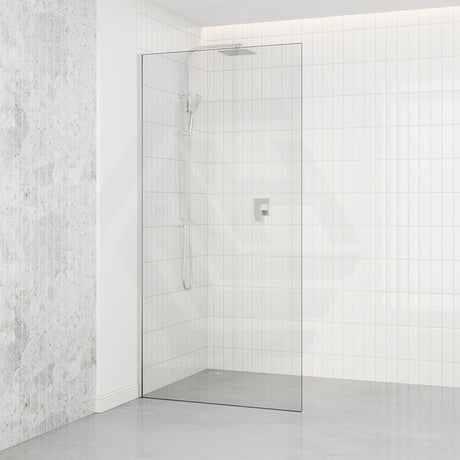
In bathroom trends 2026 there is a growing demand for hidden cisterns, frameless shower screens, and wall-hung fixtures because keeping the floor line clear facilitates easy cleaning and maintenance, so they are popular with those putting forward bathroom ideas Australia projects.

Tools and Resources for Planning Your Floor Plan
RoomSketcher and other similar online design tools are free to use and let you drag and drop fixtures to scale on a virtual floor plan. Print the plan and walk through your morning routine mentally—open the shower door, step to the vanity, reach for the towel rail. Whatever you cannot fit comfortably on the plan will be a tight squeeze when you walk around in the flesh.
Be sure to obtain quotes from a minimum of three tradespeople. Total costs for a bathroom renovation in Australia range from $9,000 in Hobart to $35,000 and upwards in Sydney depending on the scope, finishes, and labour rates. Budget $2,300 to $4,600 per square metre as a planning guide. A mounted wall vanity from a reputable supplier is one of the larger fixture costs after tiling and waterproofing, costing from $300 to $2,800 depending on material and size. Armed with these bathroom ideas Australia benchmarks you will be far better positioned when talking to a bathroom renovator.
References
National Construction Code 2022, ABCB Housing Provisions, Part 10.2 Wet Areas
National Construction Code 2022, ABCB Housing Provisions, Part 12.2 Livable Housing
AS/NZS 3000:2018 Electrical Installations (Wiring Rules), Standards Australia