17 April, 2026
Bathroom Lighting Ideas: How to Plan the Perfect Scheme
Bathroom lighting ideas for the perfect scheme: layered task, ambient and accent lighting with IP-rated fixtures and dimmers. Practical tips to create functional and relaxing Australian bathrooms.

Video Credit: Beautiful Home IDEAS
Bathroom Lighting Zones and Safety
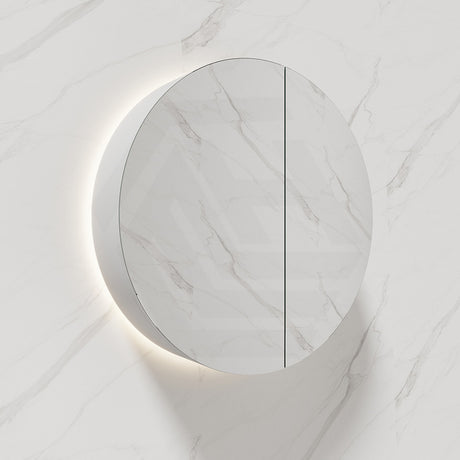
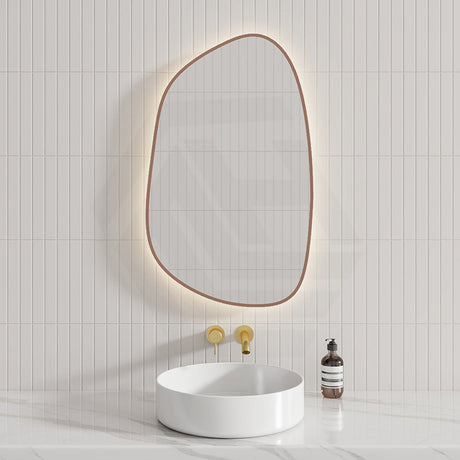
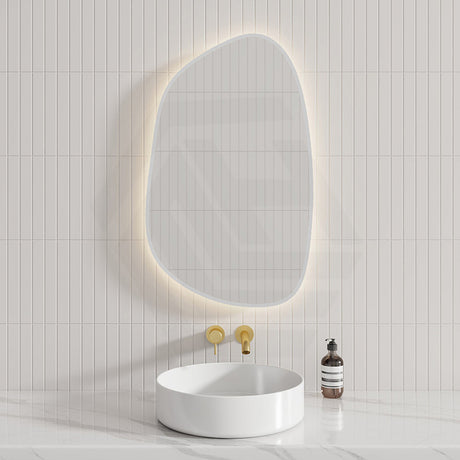
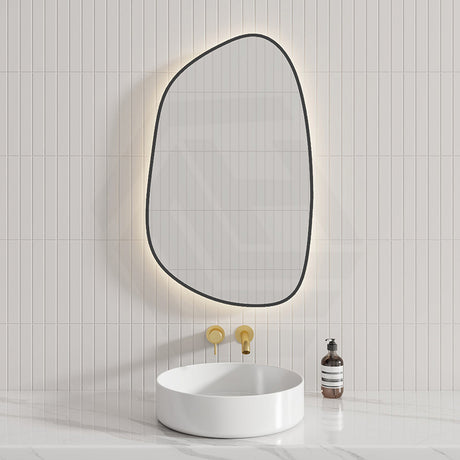
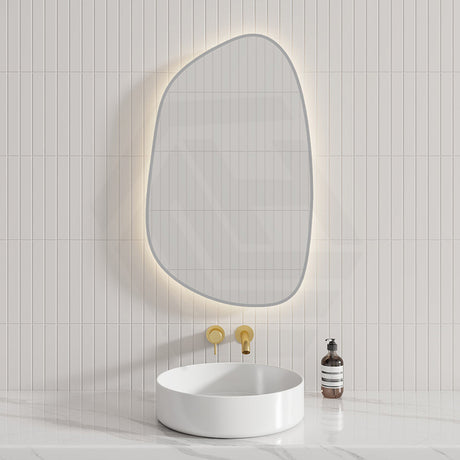
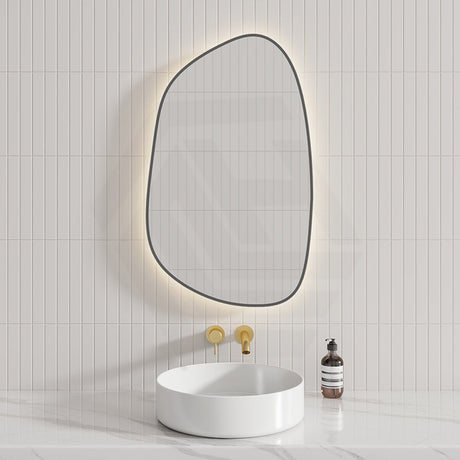
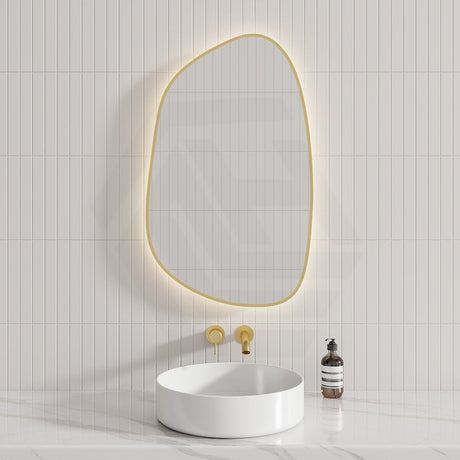
Before you get too into the love affair with a pendant or one of these contemporary bathroom ideas, like the backlit bathroom mirror ideas floating around Pinterest, it is important to understand how the bathroom actually needs to be lit. In Australia, AS/NZS 3000 splits the bathroom into 4 electrical zones (AS/NZS 3000:2018, Wiring Rules) and there are rules about what fitting can be installed where. Zone 0 is inside the shower recess, or bathtub; only 12V rated fittings with an IPX7 are allowed in here. Zone 1 starts inside and outside Zone 0 up to 2.5 m above the floor and 1.2 m from a shower head fitting point; all fittings need to have a rating of at least IPX4. Zone 2 is 0.6 m from Zone 1 and Zone 3 is everything in the bathroom, where regular fittings are usually fine.
And this is important, because if you are looking for bathroom lighting ideas, your fitting needs to match the IP rating of the zone you are placing it in. A fitting with a lesser rating than the zone it is in will not pass inspection, and an electrician will simply refuse to install it. So mapping out the zones first thing saves you the hassle of ordering the wrong product and then having to return it.
The Three Layers of Bathroom Lighting
When it comes to bathroom lighting, rarely will one fitting in the ceiling do the job; you need to have three layers of lighting, namely task, ambient, and accent lighting. Task lighting should be placed at the vanity. You need to be able to easily see what you are doing while applying makeup, shaving, or checking how you look before heading out of the door. Sconces on the wall on either side of the mirror will evenly light the front of your face, and this is one of the best practical bathroom lighting ideas if you are only planning on swapping one thing in your space. Ambient lighting is all about the fill. A lot of Australian bathrooms rely on downlights for ambient lighting, but these need to be spread out evenly to give even coverage; they will otherwise look patchy and give off bright patches and dark patches. For small spaces you can also consider a diffused fitting mounted to the ceiling, which will perform the job of two or three downlights without feeling so over-lit.
It's a final layer of illumination; accent lighting brings all the detail in a room. A strip of LED lighting under the vanity, inside the shower niche, or behind the backlit mirror will give a soft glow to dark bathroom ideas that make it feel like it's been thought out rather than dark for dark's sake. You only need one or two accents to do the job. Once you add more than two, it starts to feel less like home and more like a showroom.
Selecting Fixtures for Wet Area Compliance
Any light fitting you install into your bathroom needs to comply with its zone rating, and all circuits need to be switched on with a residual current device that will be no greater than 30 mA (AS/NZS 3000:2018, Wiring Rules). Under the Australian Wiring Rules, all lighting work in bathrooms is required to be performed by an electrician (AS/NZS 3000:2018, Wiring Rules), there are no DIY options, even replacing an existing fitting.
When choosing a fitting, look for its IP rating which will be listed on the box in the details tab. You need an IP44 as the minimum for fittings located in Zone 1 and Zone 2. If selecting recessed downlights, look for IP65 and above for ceiling mounted locations in the shower zone to withstand the possibility of direct water impact. Standard indoor rated fittings can still be used in Zone 3 but many homeowners opt for IP rated fittings in these areas to feel more confident they are compliant.
Suggestions for Location in Vanity, Shower and General Areas
Vanity lighting is the most important to get correct. Sconces mounted at the side of the mirror at approximately eye level of around 1600 mm to 1700 mm floor to centre of fixture prevent shadow cast by overhead ceiling mounted downlight on your chin and nose. If mounting sconces isn't an option, a bar light horizontally mounted above the mirror works, but it should be mounted as low as 200 mm above the top edge of the mirror so light hits the face.
For the shower, standard practice is a single recessed downlight mounted to centre in the shower area. Choose 3000K (warm white) rather than 4000K or above (cool white) for a soothing ambience. Colour temperature is one area where you will really feel the difference when on your skin. With a vanity wall hung unit you have the opportunity to incorporate an integrated LED vanity mirror or a separate LED shaving cabinet ($390 to $1,096), which provides task and accent lighting into one mounted wall vanity, a sensible approach which works particularly well for small ensuites. For general ceiling lighting, you want consistent illumination. Ideally, there are no hot spots or dark corners. For a 5 to 8 square metre bathroom, two to four downlights spaced 800 mm to 1000 mm apart should do the trick. You may consider the small cost of installing dimming switches, too, for switching off in the evening mood bath or dimming in the morning when bright bathroom lighting is needed to wake you up.
Bathroom Lighting Costs
A lighting scheme for an average-sized Australian bathroom will cost between $800 and $2,500 (including all fittings, wiring and labour). The electrician will charge between $80 and $130 per hour and the job will take them 4 to 6 hours, including the initial rough-wiring of the circuit.
If you are on a tighter budget, prioritise the bathroom lighting for above the vanity first, as this will have the greatest impact on daily use. You could then opt to have just one ambient light for the ceiling (perhaps a downlight) rather than two, three or four. You can always add in extra accent lights at another time. If you are installing a wall hanging vanity cabinet that comes with built-in lighting, this can further decrease the number of additional fittings needed, saving you both purchase and electrician labour costs on the day.
Get three quotes from electricians before deciding who to choose. Costs will vary greatly across cities and depend on the number of extra circuits to be run or if the electrician is running new lines or adapting an existing circuit. Plan your bathroom lighting layout down on paper before calling the electrician in. This includes noting fixture locations, zone classifications and lighting products of interest, as this will help them give you a more accurate and faster quote.
References
AS/NZS 3000:2018 Electrical Installations (Wiring Rules), Standards Australia