

14 May, 2026
Bathroom Renovation Checklist: Don't Start Without This Guide
Use our bathroom renovation checklist before you lift a tool. Covers scope, budget, tiles and tapware for a smooth Australian reno.

Video Credit: Three Birds Renovations
Imagine a bathroom. Spot-on lighting, a vanity worth showing off, and tiles that actually work together. Dead achievable, all of it — a solid bathroom renovation checklist is what stands between you and chaos. A smooth reno and a stressful, budget-blowing disaster — what's actually the difference? Nine times out of ten? The checklist. Step away from the crowbar — every item below deserves a look before that first tile shifts.
Step 1: Nail Down Scope and Budget Before Anything Else
Tapware, tiles — none of that gets a look-in until this is sorted. How big is this reno, really? Pin that down before anything else. Fresh taps, a coat of paint, some new accessories — that's a cosmetic refresh. Walls shifted, plumbing moved? Whole different beast. The earlier you draw that line, the better your chances of keeping the budget intact.
Scope, location, finishes — all of it shapes the final bill, which in Australia runs anywhere from $10,000 to $35,000 or beyond for a realistic bathroom reno. At the affordable end, Adelaide and Brisbane come in between $9,200–$28,000 — Sydney and Darwin push past $11,500 and keep climbing. Your bathroom renovation cost needs to account for:
• waterproofing — budget $800–$1,500
• tiling, labour included: $2,000–$6,000
• fixtures and fittings — allow $3,000–$8,000
• plumbing and electrical labour — typically $2,500–$5,000
• contingency fund: 15 per cent at a bare minimum — construction surprises are a near-certainty
A checklist built around your specific reno is worth its weight in gold. More than a to-do list, it's a planning document, a shopping guide, and the main thing standing between you and a reno gone pear-shaped.
With scope and budget sorted, the next thing to wrap your head around is how the reno actually unfolds. Mess up the sequence and you've handed yourself one of the most expensive reno mistakes going.

Step 2: Understand the Core Renovation Steps
Order is vital. There is a sequence to the bathroom renovation steps: demolition, rough-in plumbing, rough-in electrical, waterproofing, tiling, fixture installation, cabinetry, accessory installation, and final inspection. Miss one or shuffle steps and you could end up with a very costly remediation project.
Homeowners often underappreciate one step in the renovation process: waterproofing. Under NCC 2022, shower walls need to be waterproofed to a minimum height of 1800mm (NCC 2022, ABCB Housing Provisions, Part 10.2) above the floor substrate, and bath-adjacent walls to at least 150mm above the rim. Compliance is achieved via the Housing Provisions or AS 3740:2021 — your waterproofer will know which pathway applies. The membrane must cure for 24 to 72 hours before any tiling begins. A mandatory inspection hold point in most states occurs at this stage, so no tiling over uncured or uninspected waterproofing, period.
Electrical work is also tightly regulated. Bathroom zones are strictly defined under AS/NZS 3000:2018, and all electrical work — including heated towel rails and LED mirrors — requires a licensed electrician. No exceptions.
Now that you know the order of works, you can be confident that every product, fitting, and material will be on site at the right time so as not to delay trades and impact your renovation.

Step 3: Choose Your Fixtures, Fittings, and Materials
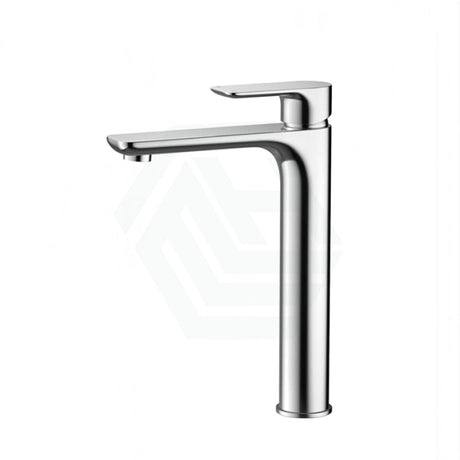
All plumbing fixtures and tapware sold in Australia must carry WaterMark certification — no exceptions. When choosing tapware, look for the WELS star rating. A four-star basin mixer uses around 7.5 litres per minute, which, added across all tapware usage, could result in considerable savings on your water bill. Any item connected to your water supply should carry both certifications.
Slip resistance is critically important for wet area floor tiles. Under AS 4586, shower floors and wet area floors must meet P3 or P4 ratings to pass compliance inspections. You might find a very beautiful large-format floor tile that is unsuitable for a shower floor — far too slip-prone when wet, even if it looks great dry.
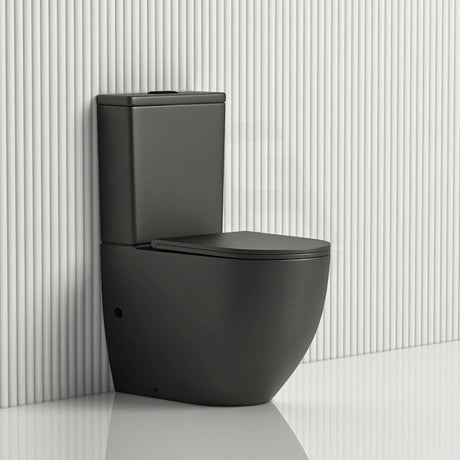
Price ranges vary greatly. A back-to-wall toilet suite ranges between $185 and $400 for a budget option, $400 to $800 for mid-range, and from $1,619 for a smart toilet option. Budget ceramic tiles start from as low as $6 per piece, and premium large-format porcelain tiles start from $150 per piece. Common tile sizes for bathroom renovations in Australia include 300×600mm, 600×600mm, and 600×1200mm.
These fixtures, tapware, toilet suites, and tiles form the backbone of your bathroom. The vanity is often the single highest product purchase in a bathroom renovation, so consider your sizing, material, and configuration options carefully.

Step 4: Choose Your Vanity and Vanity Cabinet
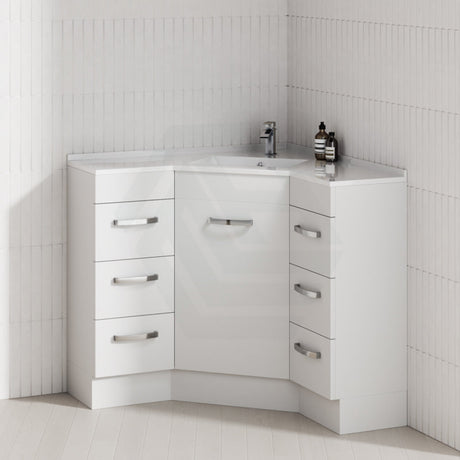
The vanity will often dictate the look of the rest of the bathroom, so choose carefully to complement the overall space. A wall-hung vanity offers a more minimalist look with more floor visible. A freestanding vanity takes up more floor space. You can choose the configuration independently of the materials.
Australian vanities have standard depths ranging between 460 and 550mm. Standard widths include 600mm, 750mm, 900mm, 1200mm, and 1500mm. A 600mm single-bowl wall-hung vanity may suit a compact ensuite, whereas a 1200mm double-bowl freestanding vanity will probably suit a family bathroom better.
The material of the vanity cabinet matters too. PVC cabinets are fully waterproof and well suited to wet areas, while MDF needs to be properly sealed for that type of application. A timber bathroom vanity in a foil-wrapped or laminate timber-look finish has become very popular in Australia, offering warmth while providing a far more moisture-resistant finish than raw timber. A wooden vanity finish can also create an earthy feel and give the bathroom a retreat-like ambience. Timber vanities, PVC, and MDF options suit different budgets and tastes.
Prices range from around $300 for a budget PVC vanity cabinet, $600 and $1,200 for mid-range MDF and plywood vanities, up to $2,828 for premium brands such as Aulic and CETO. Note that basin mixers and wastes are not included in the vanity price — these need to be added to your specifications and discussed with your trades before ordering.

Step 5: Manage the Build — Trades, Timeline, and Common Mistakes
The on-site build for a full bathroom renovation will take approximately two to four weeks, excluding design and pre-construction time. The process generally follows the same sequence: plumber and electrician rough-in, waterproofer, tiler, cabinetry, then accessories. Do not push the tiler to start before the waterproofing has been inspected — this will only cause further delays.
Plumbing must be carried out by a licensed plumber. Under state and territory plumbing legislation, the plumber will issue a certificate of compliance. This applies in most Australian states and territories — check your state or territory requirements. The same applies to electrical work. DIY plumbing and electrical connections are not permitted in Australia.
The most common mistakes during a bathroom renovation are skipping the waterproofing inspection, underestimating the budget by not allowing a 15 per cent contingency, and not ordering products on time. Tapware must be ordered well before the rough-in begins so the licensed plumber can position it correctly. Everything — including timber vanities, basins, and fixtures — should be ordered at least two to three weeks before the build commences. Maintain a running bathroom renovation checklist to track items as they are purchased and delivered.
Has the waterproofing been inspected and certified? Are all products ordered and on site before trades commence? Have you selected a floor tile with a compliant slip rating? Has the certificate of compliance been issued? Knowing how to renovate a bathroom properly — with the right trades, in the right order, and with all product decisions made in advance — is one of the best home investment decisions you can make.
References
National Construction Code 2022, ABCB Housing Provisions, Part 10.2 Wet Areas
AS 3740:2021 Waterproofing of Domestic Wet Areas, Standards Australia
AS/NZS 3000:2018 Electrical Installations (Wiring Rules), Standards Australia
State plumbing licensing legislation (VBA Victoria; Fair Trading NSW; QBCC Queensland; Building Practitioners Board WA; CBOS Tasmania; ACTPLA ACT; Building & Energy SA; ABPB NT)