

12 May, 2026
AS 1428.1 Explained: Accessible Bathroom Design Standards in Australia
Understand AS 1428.1 and which NCC 2022 building classes require compliance. Essential reading for Australian architects and contractors.

Video Credit: designchickee
AS 1428.1 — The Basics, and Why It Matters to Your Project
Here's the question I get from architects, contractors, and clients alike — is AS 1428.1 really just for hospitals and commercial office blocks? It doesn't. The National Construction Code (NCC) calls up AS 1428.1 Design for Access and Mobility across a wide range of building classes. Class 1b, 2, 3, 5, 6, 7, 8, 9, and 10 buildings — that's where AS 1428.1 bites under NCC 2022.
For Class 1a residential domestic buildings, the relevant instrument is NCC 2022 ABCB Housing Provisions Part 12.2 Livable Housing Design — it took effect in October 2023.
Non-compliant work? A building surveyor or private certifier will spot it — more often than not. Tiles down, problem found — remedying non-compliances around floor gradients, door openings, and structural backing for grab rails will cost you dearly. Where does your building land on AS 1428.1 compliance and do you actually know? Your architect or interior designer is who you want — get their advice before you commit to anything.

Key AS 1428.1 Clearance and Dimension Requirements
AS 1428.1 sets out these minimum requirements for an accessible bathroom:
Wheelchair access demands a clear floor space of at least 1800 mm × 1800 mm — that's the hard floor-space floor, no exceptions. Wheelchair manoeuvring in the bathroom also needs a 2270 mm diameter turning circle — cut that short and you've got a compliance problem.
The minimum clear opening width is 850 mm — though certain residential contexts do permit a lower threshold. Note: bathroom doorways in livable housing applications get their own rule — a minimum 820 mm clear opening is specified (NCC 2022, ABCB Housing Provisions, Part 12.2). That's 820 mm, a step down from the 850 mm figure used elsewhere.
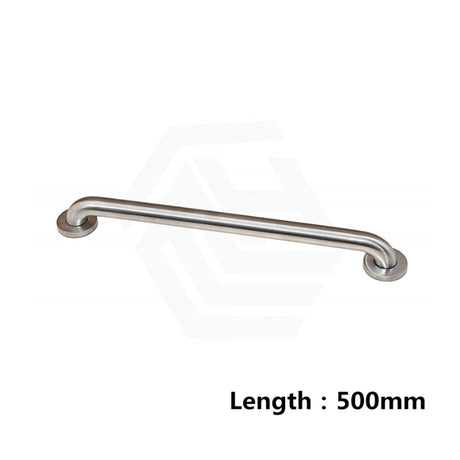
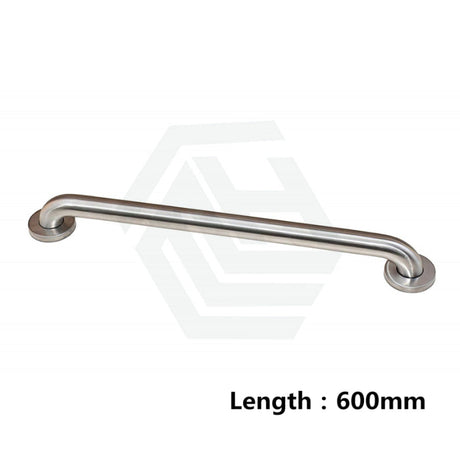
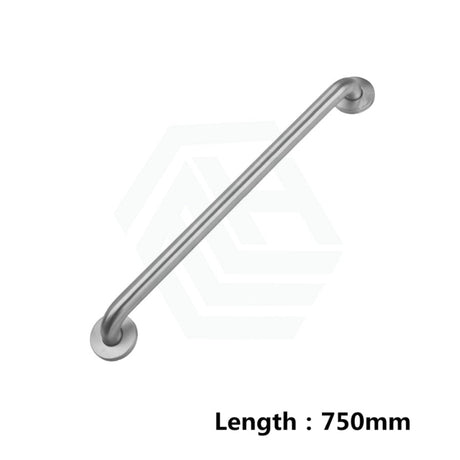
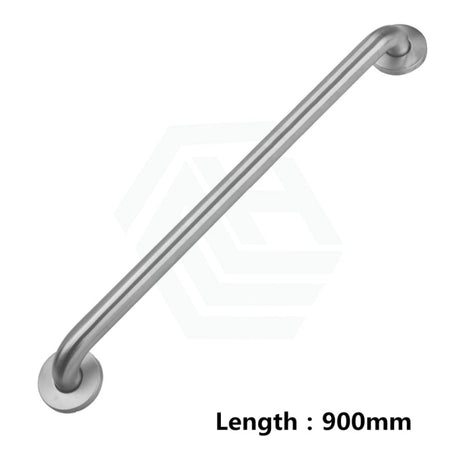
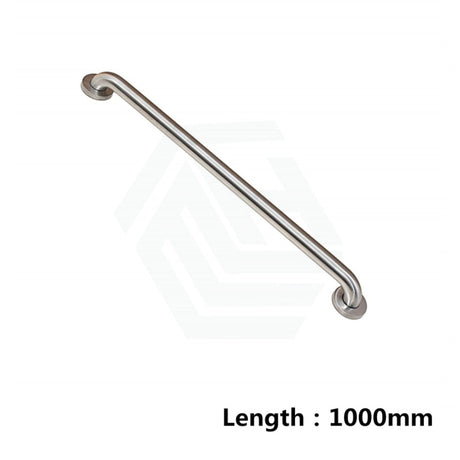
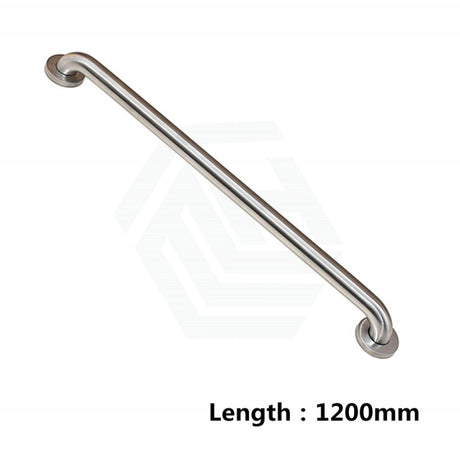
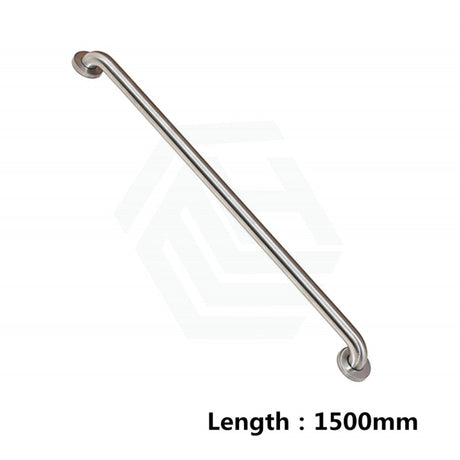
Grab rail height? It's 800–810 mm above finished floor level so there is no wiggle room there.
Floor gradients in the wheelchair manoeuvring zone are capped at 1:50 — steeper than that fails the standard, and slip resistance requirements apply on top of that. Shower flooring carries a preferred P5 slip resistance rating under AS 4586 — elsewhere in accessible wet areas, floor tiles must hit at least P4. Polished or smooth finishes won't cut it — they fall short of the required rating. Go with a matte or textured porcelain, and chase P-rating documentation from the manufacturer for every tile before you buy.

Ambulant vs Accessible Toilet Requirements in Australia — What's the Difference?
This is an area riddled with confusion and it is important to clarify the terms. AS 1428.1 defines two different categories of toilet provisions and there are compliance failures resulting from the mixing up of both categories.
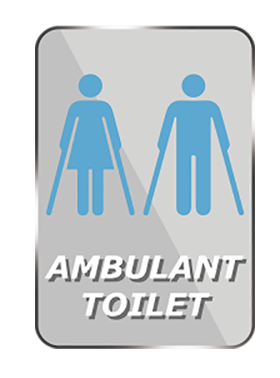
Ambulant toilet requirements refer to a facility designed for people who can walk but have limited mobility — for instance, if they use crutches, a cane or a walking frame. The ambulant toilet compartment width must be a minimum of 900 mm, the door opening must meet a minimum clear opening width of 850 mm, and grab rails must be mounted on both sides at 800–810 mm above finished floor level. An ambulant toilet does not require a wheelchair turning circle.
Accessible toilet requirements Australia-wide refer to full wheelchair access. This differs substantially. Accessible WC facilities require a clear floor space of 1900 mm × 1900 mm, a toilet pan height of 460–480 mm above finished floor level and an unobstructed clear zone of 900 mm × 1200 mm located directly in front of the toilet pan. Grab rails need to be located at 800–810 mm above finished floor level, but the arrangement is notably different from the ambulant specification in terms of location and orientation of the side transfer rail and the rear grab rail. Where the NCC requires a class of building to be a fully accessible facility, the ambulant specification is not a substitute.

Accessible Bathroom Design: Fixtures, Fittings and Layout
With the regulatory category confirmed, let us consider the fixtures and fittings. Accessible bathroom design requires a basin to provide a minimum knee clearance of 670 mm height × 800 mm width × 500 mm depth beneath it for a wheelchair user. A wall-hung basin is the most common means of providing such knee clearance. A white vanity in the wall-hung configuration is an accessible bathroom design solution as it provides the required knee clearance. White vanities may also provide a level of reflectance that can be helpful in the absence of natural light, but the overriding consideration must be to meet the regulatory requirements. AS 1428.1 specifies that tapware must have lever handles, and hot water temperature controls are equally important for user safety. Hot water at bathroom outlets must not exceed 50°C per AS/NZS 3500.4 — anti-scald protection is especially critical for users with limited sensation.
The shower recess must have a minimum clear floor space of 1900 mm × 900 mm, floor-level entry and no hob. Waterproofing must extend 1800 mm above the floor substrate on shower walls (NCC 2022, ABCB Housing Provisions, Part 10.2). For a zero-hob shower in an NCC 2022 ABCB Housing Provisions Part 10.2 dwelling, there is an alternative pathway for waterproofing compliance (AS 3740:2021) in AS 3740:2021.
To see how these requirements come together in practice, consider a recent display home project where a Fienza wall-hung basin was installed alongside a fold-down shower seat. With the fold-down shower seat deployed at 460–480 mm above finished floor level, the design met all accessible bathroom design requirements and provided a usable space. A wall mount bath vanity requires blocking to be installed to the wall frames prior to tiling. This must be executed by a licensed builder and specified within the architectural drawings.

Practical Tips for Compliant Accessible Bathroom Renovations
Bathroom fitout for an accessible bathroom may cost between $15,000 to $35,000 AUD supply only, with licensed tradespersons (state plumbing licensing legislation) additional as per the scope of work. A typical fitout includes blocking of walls to accommodate grab rail locations, installation of a zero-hob shower and installation of a back wall-mounted cistern to position the toilet pan height at 460–480 mm above finished floor level.
Grab rails must be manufactured from 304 stainless steel and have a minimum load rating of 110 kg. The fold-down shower seat must have a minimum static load rating of 250 kg. Blocking for the grab rails needs to be installed prior to waterproofing, as a subsequent retrofit is one of the more expensive rectifications in an accessible bathroom.
Your builder and certifier should be engaged at the time of design documentation, prior to the pouring of the concrete slab and prior to any tiling. All plumbing and electrical works must be executed by licensed tradespersons in accordance with the relevant state/territory licensing provisions and issued compliance certificates at the conclusion of the work. Please check your state/territory requirements to confirm which of these apply to your project.
References
National Construction Code 2022, ABCB Housing Provisions, Part 12.2 Livable Housing
National Construction Code 2022, ABCB Housing Provisions, Part 10.2 Wet Areas
AS 3740:2021 Waterproofing of Domestic Wet Areas, Standards Australia
AS/NZS 3500.4 Plumbing and Drainage — Heated Water Services, Standards Australia
State plumbing licensing legislation (VBA Victoria; Fair Trading NSW; QBCC Queensland; Building Practitioners Board WA; CBOS Tasmania; ACTPLA ACT; Building & Energy SA; ABPB NT)