

29 April, 2026
Shower Head Types Explained: Styles, Features and How to Choose
Shower head types explained: fixed overhead, handheld rail, twin rail and rain shower options. Features, WELS ratings, water pressure tips and how to choose the right shower head for your bathroom.

A Quick Guide to Shower Head Types and What They Offer
Shower head types available in Australia have come a long way in recent years. Here is an overview of some options you will come across.
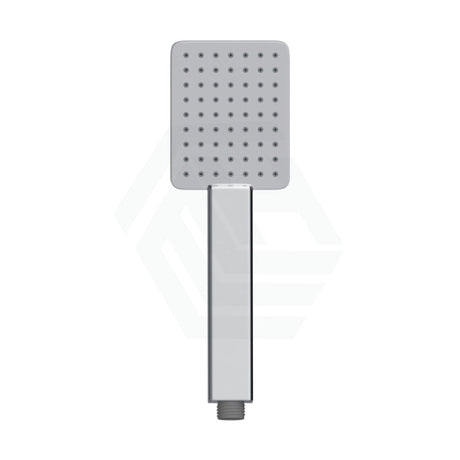
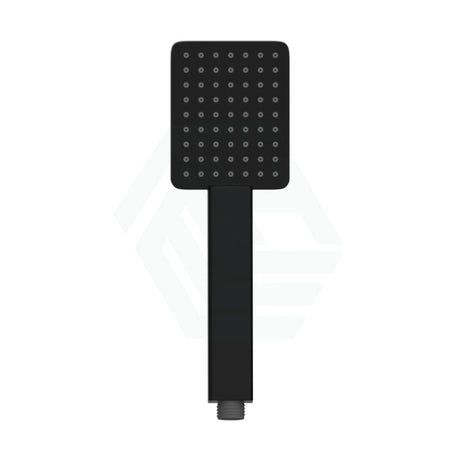
A fixed overhead shower head connects to a wall arm or ceiling arm, with a spray that comes from a single position. It's a simple shower head with no moving parts. It is a low maintenance option and can range from $60 for a basic round shower head to $654. Round shower heads (200 mm to 300 mm diameter) are the most commonly seen, although square shower heads remain popular for contemporary bathrooms.
For maximum flexibility, consider a shower head on a rail. It is often the most practical option for families with small children or anyone who would find it hard to use a fixed shower head. Shower rails with handheld sets start from $72. For a complete handheld shower sets (including the hose, holder, and shower head) prices can range from $111 to $739, depending on the finish and the brand.
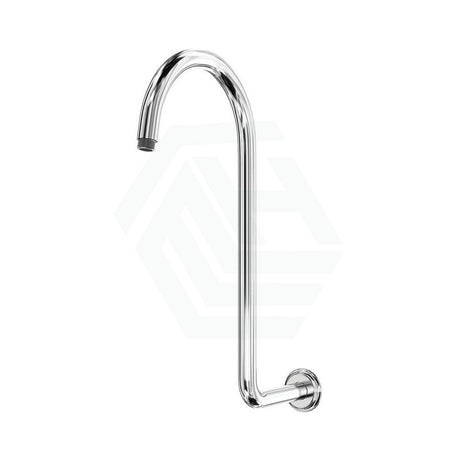
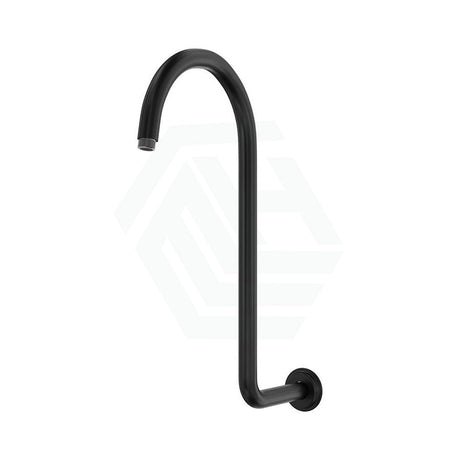
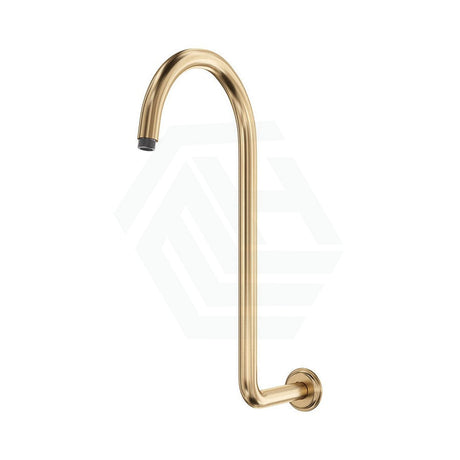
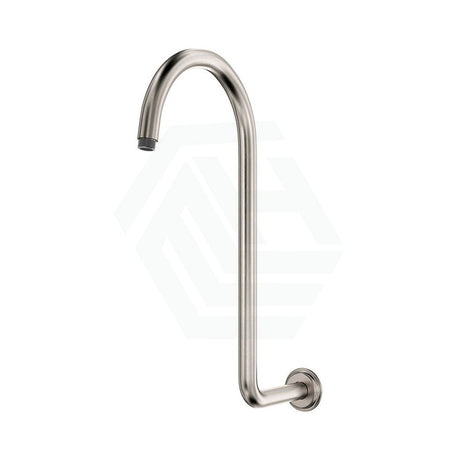
The most popular type of complete shower set sold right now is the twin rail shower. It is a combination shower head that offers the option of a fixed shower head and a shower head on a rail at the same time, so it can be considered as having both worlds at your disposal. Twin rail sets can cost from $269 to $1,784. You can find excellent twin rail shower options in Matt Black, Brushed Gold and Chrome at brands such as Fienza and Aquaperla.
Wall mixer and diverters combine a single control valve (wall mixer) with a diverter that connects to the overhead shower head or handheld shower head ($83 to $758). If you are building, this is an ideal product, and something you should speak to your plumber about during the rough-in stage.

Water Pressure, Flow Rates and WELS Ratings Explained
Before you get excited about buying a shower head, it is worth knowing that water pressure is different from one home to the next. A large overhead shower head will have a hard time in a low-pressure system (a low-pressure system typically refers to a house where there is no pump). If you have a mains system in a high-pressure house, it shouldn't matter.
In Australia, all shower heads are required to meet WaterMark certification (WaterMark Certification Scheme). Showerheads also fall under the Water Efficiency Labelling and Standards, and the maximum rating is 3 stars. A 3-star showerhead has a flow rate of up to 9 litres a minute and the most water-efficient option available. The lower the number of stars, the more water is used by each showerhead. Bear in mind that you may lose some spray power with low-flow showerheads, something that may not be an issue if you already have low water pressure.
For the various types of showers available, the flow rates will generally range from 5 to 9 litres per minute. You should opt for a 3-star rated showerhead if you're on tank water and you want to save water; if you have mains water with good pressure, a 2-star showerhead may do just fine.
I suggest checking your water pressure before purchasing. Your plumber should be able to do it within a few minutes, but a basic DIY test can be done by filling a 10L bucket with water from a shower outlet. If it takes less than 60 seconds to fill the bucket, you've got a good amount of pressure.

Shower Niche Design: Practical Ideas for Storage and Style
When it comes to shower niche ideas that actually work in practice, a properly located niche can do away with the need for hanging caddies or freestanding shelves that tend to collect soap scum and impede proper water flow. Typical niche measurements are 300mm x 300mm for a single niche or 300mm x 600mm for a double, typically located between 900mm and 1200mm from the shower base so they can be reached comfortably.
The most vital component that is generally overlooked is waterproofing. The National Construction Code mandates that all shower walls are waterproofed to a minimum height of 1800 mm (NCC 2022, ABCB Housing Provisions, Part 10.2) above the substrate of the shower floor area. A shower niche is usually found within this area, and all the surfaces, back wall, sides, top and bottom of the niche as well as its shelf, needs to be completely waterproofed before applying any tiles. Waterproofing a shower niche is work for a licensed waterproofer; don't attempt a DIY on this one.
The finishing of the tile edges is the difference between an okay niche and a nice one. With mitred edges, the look is seamless and tidy, but it requires the services of a highly skilled tiler. Using metal trim strips (available in stainless steel or matt black to match your shower taps) will produce a better finish and is easier for a tiler. A tile that contrasts with the surrounding shower tiles can also create a nice-looking niche; I have seen a hexagonal tiled shower niche surrounded by large-format tiles on the shower walls.
A horizontal niche, extending the entire length of a shower wall, is very much in fashion. These are suitable for walk-in showers, as they offer enough space for the niche to sit without it appearing disproportionately small.

Installation Heights and Plumbing Considerations
Getting the shower head height right when you are roughing in your shower will save you so much trouble later down the track. This is what's normally recommended for bathroom showers in Australia. A fixed showerhead, one that doesn't slide up or down on a shower riser bar, is usually fixed to a wall-mounted position 2000mm to 2100mm above the finished floor. Rain shower heads on a ceiling arm are typically installed at a height of 2100 mm to 2200 mm; however, the exact ceiling height will determine what is feasible. Handheld showerheads on a sliding rail usually feature a rail bottom at around 1000 mm to 1100 mm, with the holder capable of moving up to a maximum height of approximately 1800 mm.
The placement of the mixer valve is equally critical. When wall mounted, mixers are normally located at 1000 mm to 1100 mm from the floor level and centred to the shower space. In the case of a diverter system (fixed shower head plus handheld showerhead), rough-in plumbing will consist of two outlets at different heights, and this needs to be communicated to your plumber at least when they measure before the wall linings are fixed.
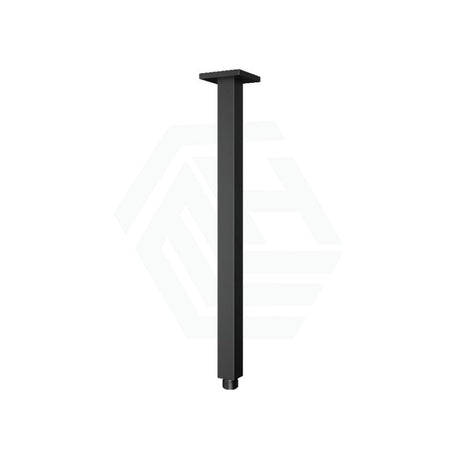
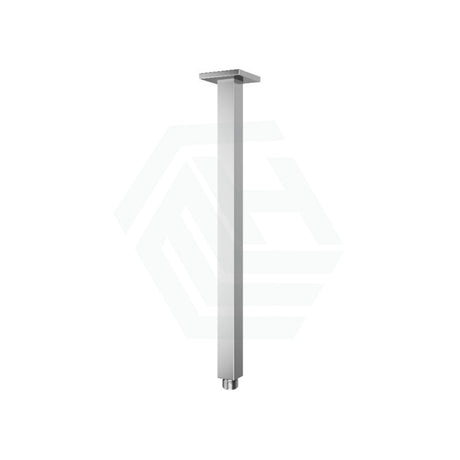
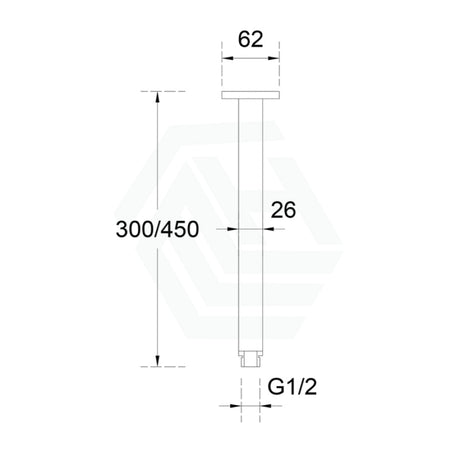
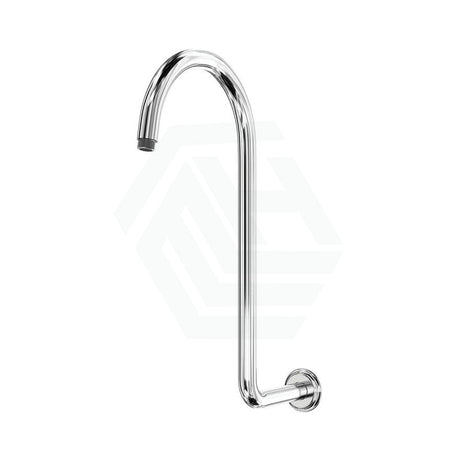
A frequently overlooked issue is the shower arm distance from the wall. Most wall mounted arms project 300 mm to 400 mm. Arms for ceiling mounted shower heads can be 100 mm to 600 mm long; depending on head size, too short a ceiling arm will position a large rain head uncomfortably close to the wall, whereas too long can look unappealingly industrial. Also, when thinking about your new shower head, don't forget to check out commode parts and other bathroom accessories that could be replaced as part of a full refurbishment. A bathroom renovation is the ideal chance to replace everything.

How to Choose the Right Shower Head for Your Bathroom
To select a suitable shower head for your bathroom, think about your water pressure, price range, lifestyle, and plumbing. A good quality shower rail with handheld showerhead from Fienza or Aquaperla ranges from $72 and will feature adjustable height and good spray quality. If you can afford to go beyond $269, a twin rail shower system will include a luxurious rain shower head as well as a practical handheld shower head for your budget. This is, without a doubt, my personal favourite for most homes here in Australia.
If you have children and need a handheld shower, there is little to be said, but in my opinion a rain head is great in a larger diameter (250 mm or 300 mm), a single person shower head or couples shower head, if they're willing to accept the inconvenience of adjusting the spray direction.
I always recommend thinking about how your shower head finish matches the rest of your bathroom hardware early on—specifically, your basin mixer, toilet pieces, and towel rails. If your tapware and towel rails are Matt Black then a Chrome shower head might look strange. Most brands now offer matching tapware collections across bathroom sinks and vanities, showerheads, and accessories in coordinated finishes (Matt Black, Brushed Gold, Brushed Nickel, Chrome and Gunmetal Grey are the main options).
Low water pressure showers require a shower head on the smaller diameter side of things, say 150 mm to 200 mm and a rain head should definitely be avoided unless you are prepared to install a water pressure pump. This recommendation is also applicable to shower heads greater than 250 mm. Regardless of the size, please ensure that you check that your chosen shower head is WaterMark approved and WELS rated. These two certification marks are required for any plumbing products sold in Australia and are a sign of product quality and water efficiency.
References
WaterMark Certification Scheme, Australian Building Codes Board
National Construction Code 2022, ABCB Housing Provisions, Part 10.2 Wet Areas