16 July, 2026
How to Unclog Toilet No Plunger: An Aussie Homeowner's Reference
Discover how to unclog toilet no plunger using common household items, and know when to call a licensed plumber for stubborn blockages.

Blocked toilet, no plunger in sight. Sounds familiar? It happens more often than we want to admit, and inevitably, right when you really need a working toilet.
The silver lining? The majority of toilets that get blocked in an Aussie home are what we call soft blockages—meaning you've over-flushed toilet paper, you've flushed some non-flushable wipes (or other random foreign objects that shouldn't have gone down the loo), but they haven't yet jammed in the drainage system beyond the pan. Often you can unblock these yourself without calling a plumber. Having been on the tools for years now, I've unclogged dozens of toilets in my lifetime, and the household method really does work.
Video Credit: JMG ENTERPRISES
Why Toilets Block and What You're Likely Dealing With
In an average Aussie bathroom, toilet blockages are most often caused by stuff sitting in the pan's trap (that curved section holding the water that prevents smells from the sewer coming back into your house). Most Australian homes will use an S-trap (floor outlet, setout 100–120mm from the wall) or a P-trap (wall outlet, setout 185mm, common in apartment settings).
These are most commonly the types of blockages:
• flushable wipes (these are, in fact, not flushable and I say this with all the gravity this statement deserves)
• too much toilet paper
• cotton wool
• an occasional foreign object (children's toys make regular appearances)
The reason these respond so well to the household unblocking method is that the blockage hasn't yet jammed in the drainage system further than the pan. Once you know what you're dealing with, you simply need to get the correct household items together before attempting anything in the bowl (no need to run out to the local hardware store).

What You'll Need: Household Items That Replace a Plunger
Here's what you'll require. Likely you have it already in your home.
A bottle of dish soap, about 100ml. The soap acts as a lubricant and helps the blockage slide through the trap. Hot water from your tap only — not boiling water. Standard toilet bowls use vitreous china (ceramic material), and boiling water at 100°C risks cracking the bowl. Hot tap water is regulated to a maximum outlet temperature of 50°C, which is plenty effective and will not damage the bowl.
For a secondary method, you'll want approximately half a cup of baking soda and one cup of white vinegar. The combination causes a reaction that will fizz the blockage apart, which works well with softer paper blockages. Don't forget rubber gloves — put these on before getting anywhere near the bowl. If you believe there is a foreign object stuck in the trap (perhaps something partially visible), a wire coat hanger with the sharp end bent and taped off may assist — but don't apply much force.
If you have all the necessary items and the right water temperatures in mind, you can move straight into the step-by-step process for how to unclog toilet no plunger.

Step-by-Step: How to Unclog a Toilet With No Plunger
Here's how I'd approach any soft blockage:
1. Stop flushing the toilet. You don't want to add to the volume of water in the bowl. 2. Use a container to remove any extra water into a bucket — down to about halfway is fine. 3. Squirt 100ml of dish soap into the bowl and give it five minutes for the liquid to reach the trap. 4. From waist height, tip one to two litres of hot tap water straight into the bowl. That drop gives you gentle pressure — and keeps the splashing to a minimum. 5. Give it 10–15 minutes and let the blockage work itself loose. 6. Do one careful flush to see where things stand.
Still blocked after the first go? Move on to baking soda and vinegar — tip the baking soda in first, then follow with the vinegar. Let it fizz for 20 minutes, then go back to the hot water step. That's the no-plunger approach for most home blockages — and honestly, it works better than most people think it will.
Boiling water down the toilet is a bad idea — skip it. Panicked, repeated flushing will only make things worse. If the bowl's already overfull, adding more water is the last thing you want to do. Each of those three mistakes will set you back.

When to Use the Toilet Cistern During the Process
A toilet cistern is designed to hold a set volume of water — no more, no less. Under WELS (Water Efficiency Labelling and Standards), a 4-star dual-flush cistern delivers 4.5L on a full flush and just 3L on a half flush. That water is what drives waste through the trap and out into the waste pipe — yet with a blockage in place, the very same volume can send the bowl over the rim if the trapway's completely sealed.
So leave the flush buttons alone until the soap and hot water method has had a proper chance to do its job. Even a small shift in the clog means a single half flush (3L) is often all it takes to finish the job without any overflow.
With an overfull bowl, take the lid off the cistern and push the float arm up so the cistern stops refilling. That buys you time to bring the water level down before you try a flush. No tools required.
Two full cycles with no movement usually means the clog sits deeper in the drain line — or a worn internal component is part of the problem.

Stubborn Blockages and When Your Toilet Parts Need a Look
Two attempts in and the blockage is sitting exactly where it was. From here, the clog is either past the trap and well into the main waste line — a licensed plumber will need to rod or jet it — or something mechanical has gone wrong with the toilet.
More recurring blockages come down to worn toilet parts than most homeowners would ever guess. When the inlet valve is worn and the cistern fills slowly, flush pressure drops — and without enough force behind it, waste doesn't clear the trap and starts to build up. A tired flush valve or flapper seal is just as bad — water never fully drains, and you end up in the same spot. Depending on the component, replacement inlet valves and flush mechanisms run anywhere from $7 to $250 — well worth sorting out before you get a plumber involved. Any replacement part you buy needs WaterMark certification — that's the requirement under AS/NZS 3500.2:2021.
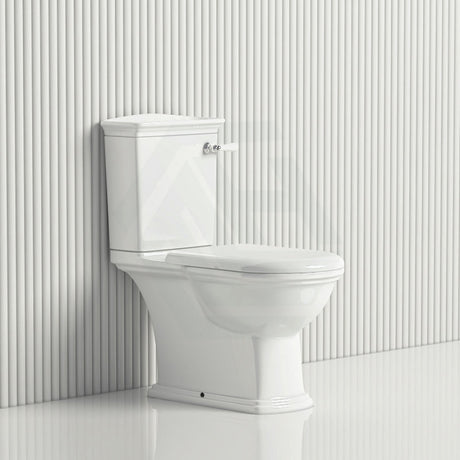
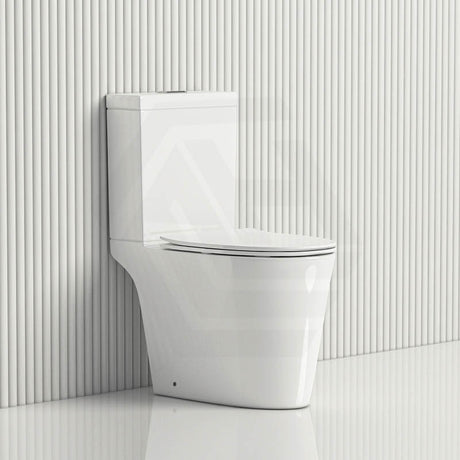
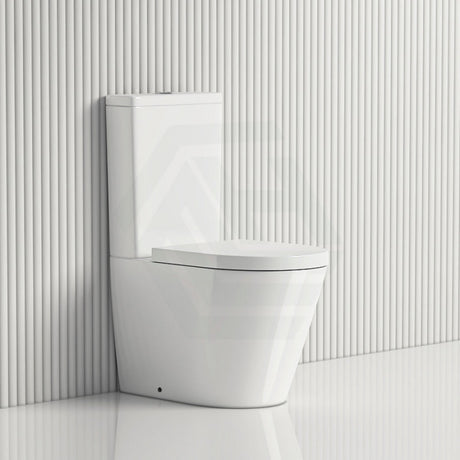
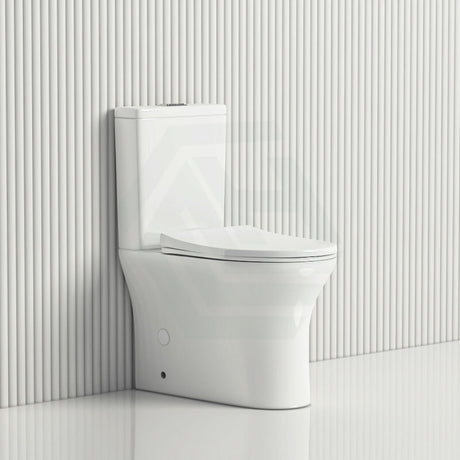
A back to wall toilet gives you far less access than a standard close-coupled suite — that's just the nature of the design. With a close-coupled suite, the trap is fairly easy to get at — a back to wall toilet sends waste into a hidden pipe system instead. The same DIY steps still apply, but get a licensed plumber in sooner rather than later if nothing shifts — persistent blockages in a back to wall toilet have a habit of escalating fast.
Anything beyond a surface blockage — disconnecting the pan, getting into concealed pipework in floors or walls, changing drain connections — is licensed plumber territory, and must comply with AS/NZS 3500.2:2021 and the relevant state and territory plumbing laws. When plumbing and drainage go wrong, the repair bill is steep and the fix is rarely straightforward.
References
AS/NZS 3500.4:2025 Plumbing and Drainage — Heated Water Services, Standards Australia
WaterMark Certification Scheme, Australian Building Codes Board
AS/NZS 3500.2:2025 Plumbing and Drainage — Sanitary Plumbing and Drainage, Standards Australia
State and territory plumbing licensing authorities (Building and Plumbing Commission Victoria; Building Commission NSW / NSW Fair Trading; Queensland Building and Construction Commission; Plumbers Licensing Board Western Australia (administered by Building and Energy); Consumer, Building and Occupational Services Tasmania; Access Canberra ACT; Office of the Technical Regulator / Consumer and Business Services South Australia; Plumbers and Drainers Licensing Board Northern Territory)