29 July, 2026
How to Unclog a Toilet Without a Plunger: An Aussie Homeowner's Reference
Discover how to unclog a toilet without a plunger — this guide covers household methods, S-bend basics, and when to call a licensed plumber.

Video Credit: Roger the Pipe Guy
Why Your Toilet Is Blocked and What You're Actually Up Against
It always seems to be the perfect time for a toilet to get blocked. Based on my experience as a plumber, there are four major culprits for toilet blockages:
Too much toilet paper.
The 'flushable' wipe – which is a huge misnomer.
A foreign object that has found its way down the pan.
A low-flush cistern that doesn't have enough water volume to push the waste through the bend.
The last one in that list is the most underappreciated.
A WELS-compliant Australian toilet will deliver 4.5 litres of water on a full flush and 3 litres on a half flush. That is not a lot of water, and if the trap is already partially restricted by build-up, even a normal flush can leave waste sitting in the bend.
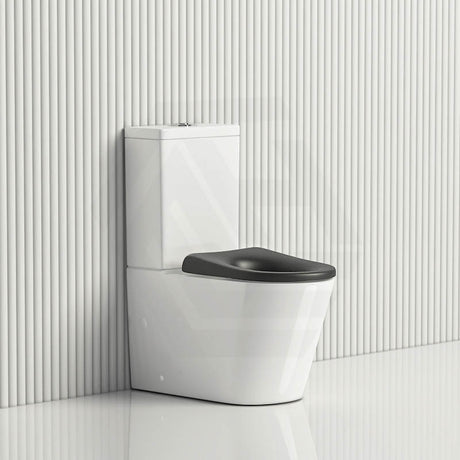
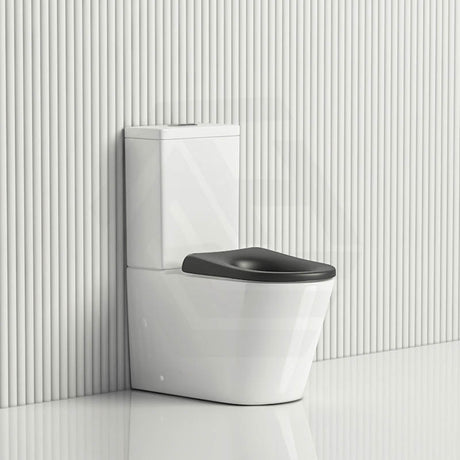
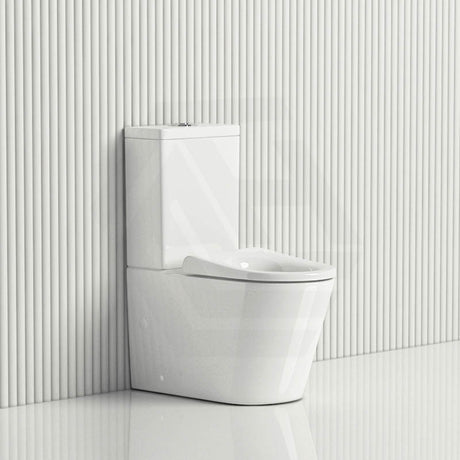
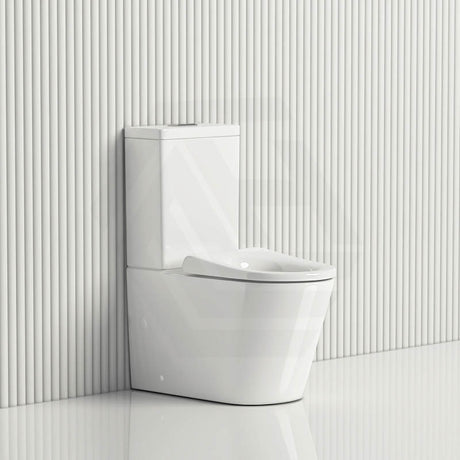
The S-bend is the curved section of the ceramic pan. This curve is what keeps sewer gas from entering your home, and it is where the vast majority of residential toilet blockages occur.
Knowing that most residential blockages occur within the toilet pan can inform you of what methods you can take to deal with the blockage, and also when the blockage is too far down the waste pipe and you should call a licensed plumber.
So now that we know what's behind the blockage and where it sits within the drainage system, let's look at what options you have to unclog your toilet without a plunger, as most of the items needed are found somewhere within the average household.

Household Items That Can Substitute for a Plunger
You don't have to run out to the local hardware store. In fact, you'd be lucky to find two or three of these things already in your home:
Dish soap and hot water — This is probably the easiest and most effective method. It will cost almost nothing, and it's the least likely method to damage the porcelain of the pan. The soap lubricates the blockage so that water can push it through the trap.
Wire coat hanger — If the blockage is a solid object you need to hook out or break up, a wire hanger wrapped with a cloth or rubber band at one end will do the job.
Baking soda and white vinegar — Great for loosening a partial blockage, particularly when the obstruction is soft material rather than a hard object.
Large plastic bottle — Cut off the base and use it to create suction as a makeshift pump.
If I found myself in this situation, I'd give the dish soap and baking soda methods a go first. A wire coat hanger is far more effective for retrieving a visible object from the bowl than clearing something lodged deeper down the drain.
Having determined what household items work best, let's break down the two most reliable techniques step by step.

Step-by-Step Methods: How to Unclog a Toilet Without a Plunger
Here's the detail on how to unclog a toilet without a plunger. Which method you choose will depend on the type of blockage you're dealing with.
Method 1 — Dish Soap and Hot Water:
1. Squeeze roughly 50 to 100 millilitres of dish soap directly into the bowl. 2. Let it sit for 10 to 15 minutes so the soap can work its way down and around the blockage. 3. Heat water to approximately 60°C — hot from the tap or briefly microwaved. Do not use boiling water; pouring boiling water directly into a vitreous china bowl can cause the ceramic to crack, which is a costly mistake. 4. Slowly pour about 2 to 3 litres into the bowl from waist height. The height adds a small amount of pressure. 5. Wait a few minutes and check whether the water level drops. If it drains freely, flush once to confirm the blockage has cleared.
Method 2 — Baking Soda and Vinegar:
1. Pour one cup of baking soda into the toilet bowl. 2. Follow with two cups of white vinegar. Expect fizzing — that is the reaction working. 3. Leave it to sit for at least 30 minutes. 4. Pour in some hot water (not boiling) from waist height, then flush.
If both methods have been unsuccessful and the water still won't drain, the problem may involve an internal component rather than a simple blockage.

When the Blockage Won't Budge: Checking Toilet Bowl Parts
If your toilet is draining slowly or not at all, an internal toilet bowl parts fault may be contributing to the problem alongside, or instead of, a blockage. It is worth removing the cistern lid to inspect the internal wc parts and try to pinpoint the issue.
Two internal components can cause repeat blockages: the inlet valve and the flush valve. The flush valve controls the release of water from the cistern into the pan. If it has aged or worn out, it may not be releasing the full 4.5 litres needed for an effective flush, leaving each flush too weak to clear the S-bend.
When assessing wc parts, look for: visible limescale around the flush valve seat; a flapper or seal that has become warped, hard, or discoloured; and an inlet valve that takes more than 90 seconds to refill the cistern after flushing. If you notice any of these signs, it is time to replace the part. Replacement valves and flush mechanisms are widely available and typically cost between $15 and $80. Any WaterMark-certified part will be suitable for Australian plumbing.
Note that a conscientious householder can inspect and replace cistern internals. Any work on the waste pipe below the toilet pan requires a licensed plumber.

Preventing Future Clogs and Knowing When to Call a Plumber
A few minor adjustments to your toilet habits can significantly reduce the likelihood of a repeat blockage. Use toilet paper suited to low-flow toilets; standard paper is far less likely to cause a blockage than thick quilted varieties. Never flush wipes, cotton buds, or sanitary items, regardless of what the packaging claims.
Use an enzyme-based toilet cleaner once a month. Pour a little into the bowl before bed and let it work overnight to break down waste build-up in the S-bend before it becomes an obstruction.
Periodically inspect your toilet seat and cover. A loose toilet seat and cover can crack, allowing debris to accumulate around the rim. A replacement toilet seat and cover starts at around $30 and is straightforward to fit yourself.
Know when to step back and call a licensed plumber. If you can smell sewage from multiple fixtures, if several drains are blocking simultaneously, or if you suspect tree roots have entered the waste pipe, do not attempt to DIY it. Under AS/NZS 3500.2:2025, all sanitary drainage work — including any work on the waste pipe beyond the toilet pan — must be carried out by a licensed plumber under the plumbing licensing legislation in your state or territory. A plumber's call-out fee typically ranges from $150 to $300 depending on your state and the complexity of the work. It hurts to pay that fee, but it is far cheaper than replacing a collapsed drain.
Knowing how to unclog a toilet without a plunger is a genuinely useful skill. In most cases, these methods will resolve the issue at little or no cost — the key is to act quickly and match the right method to the blockage before it becomes something only a licensed plumber can fix.
References
WaterMark Certification Scheme, Australian Building Codes Board
AS/NZS 3500.2:2025 Plumbing and Drainage — Sanitary Plumbing and Drainage, Standards Australia
State and territory plumbing licensing authorities (Building and Plumbing Commission Victoria; Building Commission NSW / NSW Fair Trading; Queensland Building and Construction Commission; Plumbers Licensing Board Western Australia (administered by Building and Energy); Consumer, Building and Occupational Services Tasmania; Access Canberra ACT; Office of the Technical Regulator / Consumer and Business Services South Australia; Plumbers and Drainers Licensing Board Northern Territory)