12 February, 2026
Fixing a Cracked Bathtub: Repair Options and When to Replace
Fix cracked bathtub: DIY repair kits for minor surface cracks vs when to replace for structural damage. Guide to acrylic, enamel & cast iron tubs, prevention tips & costs for Australian homes.

Have you suddenly spotted a new crack in your bathtub? It’s important not to ignore it. What starts as a small line can quickly turn into a leaking nightmare that damages your floors, grows mould behind your walls, and hits your hip pocket hard.
The good news is, though, that not every crack means you need a new tub or super expensive repairs. Read on to learn the ins and outs of fixing a cracked bathtub. We’ll cover when and how you can probably patch things up yourself, when you might need some professional assistance with the repair, and when it's time to simply admit defeat and go shopping for a new tub.

Why Do Bathtubs Crack?
Bathtubs crack for heaps of different reasons. Maybe you’ve dropped your big, heavy bottles of shampoo on the tub floor a few too many times, or perhaps the bathtub was improperly installed without enough support underneath it. It’s possible your house has settled a bit over the years. Or, sometimes the tub is just showing its age.
The material matters too. Fibreglass and acrylic bathtubs are more prone to cracking because they can flex a bit. Cast iron tubs are tough as nails and rarely crack, though the enamel coating can chip off and let rust creep in underneath.
DIY Fixes for Minor Cracks
Got a small crack that's not leaking? You might be able to fix it yourself and squeeze a few more years out of your tub. Here are your best options:
- Fibreglass Repair Kits. Head to Bunnings and grab a fibreglass repair kit. These should come with everything you need: resin, a fibreglass cloth, and hardener. Give the cracked area a good clean, sand it smooth, slap on the repair compound, and sand it again once it's dried. It won't end up perfect, but it'll do the trick for small cracks.
- Bathtub Refinishing Kits. If your tub looks like it's been through the wars with multiple small cracks and general wear that’s become pretty obvious, you might want to refinish the whole thing. Buy a specialised refinishing kit that lets you coat the entire surface (usually with an epoxy), sealing up minor issues and making everything look fresh. It's a bigger job than spot repairs, but the results can be pretty good.
When You Need Professional Help
Bigger cracks or ones that go all the way through will usually need a pro to fix them. Plumbers or bathtub refinishing specialists have access to much better gear than you'll find at the hardware store, and they know how to make repairs that'll last much longer than what you can DIY.
A contractor will typically prep the surface properly, use industrial-strength bonding materials, and match the colour so you can barely tell there was damage. Note: if you've looking at clawfoot baths or other vintage tub styles, you should definitely get a professional, even just for small cracks. These beauties are worth restoring properly.

When It's Time for a New Tub
Sometimes repairs just don't make sense. Here's when you should seriously consider look at new bathtubs for your home:
- You've Got Multiple Cracks or They Keep Spreading. If your tub looks like a road map or cracks keep reappearing after you fix them, the structure's likely compromised. That means you're probably just chucking good money after bad with more repairs.
- Water's Getting Through. This is non-negotiable. If water is leaking through the crack into your subfloor or walls, you need to act fast. The damage water can do to your floor joists and wall frames will cost you way more than a new bathtub. Plus, you're creating the perfect environment for mould, which you always want to avoid.
- Your Tub Has Seen Better Days. If your bathtub is 20 or 30 years old and the crack is just one problem among many (think stubborn stains, scratches everywhere, that avocado colour from the ‘70s, etc.), it's probably time to upgrade. Why keep patching up something that's well past its use-by date?
- Someone Might Get Hurt. Cracks can create sharp edges that'll cut you. In particular, if you've got kids jumping in and out of the bath or elderly parents visiting, those jagged bits are a real safety concern.
Choosing Your New Bathtub
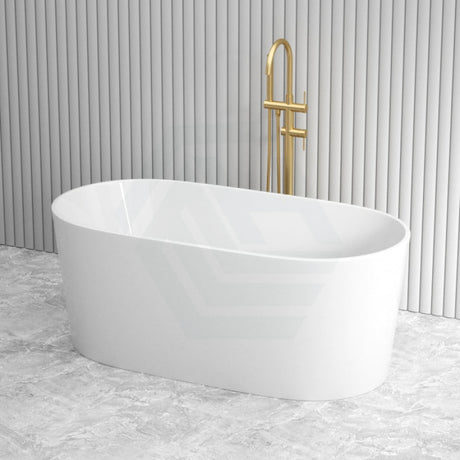
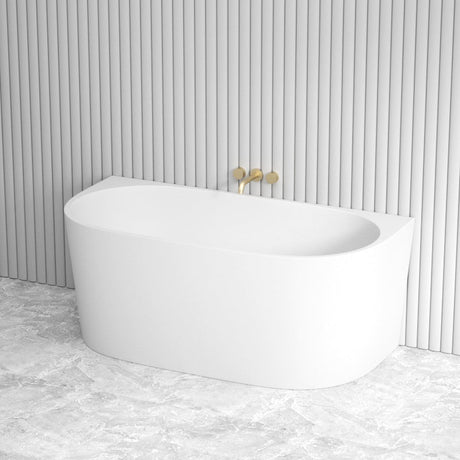
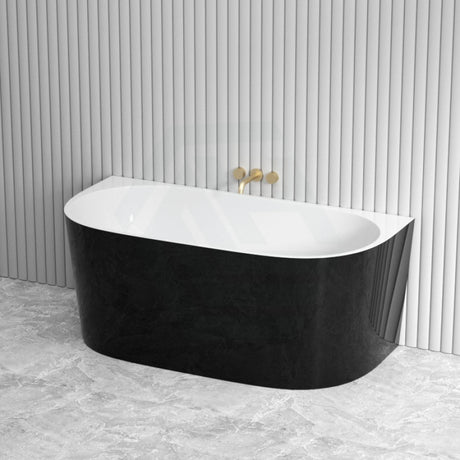
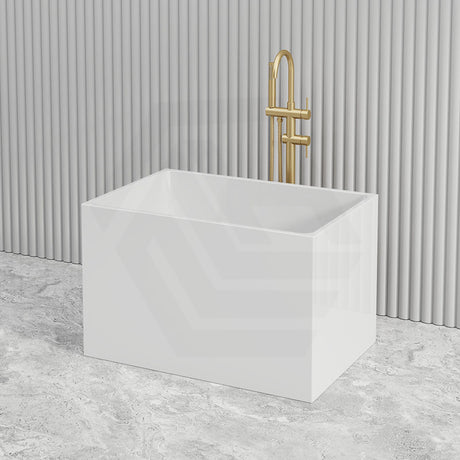
Happily, there are some cracking options (pun intended!) available to Aussie homeowners these days. To choose the best option for your property, first think about the size of your bathroom and get the biggest tub you can comfortably fit. Consider who uses the bath and how often. And of course, work out what you can afford.
Acrylic bathtubs are popular because they're reasonably priced, hold heat well, and last ages. Cast iron is the premium choice. They're heavy and cost more, but they're virtually indestructible. And if you're after that classic look, modern clawfoot baths blend old-world charm with new-world quality.

Don't Let a Small Crack Become a Big Problem
A lot of the time, small cracks in an otherwise solid tub are worth fixing. But extensive damage, constant leaks, or an old tub that's falling apart? That's a replacement job. Whatever you decide, don't ignore a tub crack and hope it goes away. They only get worse over time. Sort the issue out now while it's manageable, and you'll save yourself a world of trouble down the track. Your bathroom gets a lot of use, so keeping it in good nick protects your family and your home's value.