13 February, 2026
P Traps Explained: How They Work and Install
How the P-traps block sewer gases, prevent odours & catch debris in Australian plumbing. Compare P-trap vs S-trap, installation tips & maintenance for sinks, showers & toilets.

Ever noticed the curved pipe under your sink and wondered what it’s for? It’s not there for looks. That bend is called a P-trap, and it plays a big role in keeping your home fresh. Without it, bad smells from the sewer could drift up into your bathroom or kitchen.
In this guide, we’ll walk through what a P-trap does and how it works. We’ll also explain the difference between P-traps and S-traps, plus a few basic install points, so you understand how it all fits together.

What Is a P Trap and What Does It Do?
A P-trap is a plumbing fixture pipe designed in a U-shape (which looks like the letter "P" when viewed from the side) that is installed underneath sinks, showers, bathtubs, and within toilet suites. It is a mandatory requirement in Australian plumbing standards for a very specific reason.
The primary function of a P-trap is to create a water seal. This seal acts as a barrier between the open air in your bathroom or kitchen and the sewer system. By holding a small amount of water in the dip of the pipe, it prevents sewer gases, which can be foul-smelling and potentially hazardous, from rising back up through the drain and entering your home. Additionally, p-traps serve as a catch basin for small heavy objects (like a dropped ring), preventing them from being lost forever in the main sewer line.
How Does a P Trap Work?
The mechanics of P traps in plumbing are surprisingly simple, relying on gravity and atmospheric pressure rather than moving parts.
When you run water down the sink or flush a toilet, the water flows through the trap and into the drainpipe. Once the water stops flowing, gravity ensures that a small amount of water remains trapped in the lowest curve of the "P".
This residual water creates a plug or "seal." Sewer gases, which naturally want to rise, are blocked by this water plug. As long as the trap contains water, the gases cannot bypass it. This is why a sink that hasn't been used for months might start to smell; the water has evaporated, breaking the seal.
Furthermore, types of P traps vary slightly in design, such as the "bottle trap" often seen in modern bathrooms with exposed plumbing, but the working principle remains identical. They all rely on that standing water to maintain hygiene and safety.
Why Are P Traps Important in Plumbing?
P-traps might look small, but they do an important job. Let’s look at why they matter.
- Health and Safety: Sewer gases contain methane and hydrogen sulfide. In high concentrations, these can be flammable or toxic. A properly functioning trap ensures these gases are vented safely through the roof vents, not into your living space.
- Pest Control: The water barrier in the trap also prevents insects and vermin from crawling up the pipes and entering the home through the sink or shower drain.
- Clog Prevention and Recovery: Because the P-trap has a sharp bend, it is often the place where hair, grease, and debris accumulate. While this sounds like a negative, it is actually beneficial. It is much easier to remove a P-trap to clear a clog than it is to snake a blockage deep within the main plumbing lines.
For more technical definitions regarding plumbing traps, you can refer to authoritative sources like Wikipedia's entry on plumbing traps.
Common P Trap Sizes for Different Fixtures
Not all traps are created equal. The size of the trap depends heavily on the volume of water discharge the fixture needs to handle. In Australia, standard sizing helps ensure compatibility.
| Fixture Type | Common Trap Size (Diameter) | Notes |
| Bathroom Basin | 32mm | Standard for most bathroom sinks. |
| Kitchen Sink | 40mm | Larger to handle food particles and higher flow. |
| Laundry Tub | 40mm or 50mm | Designed for high-volume washing machine discharge. |
| Bathtubs | 40mm | Often shallow to fit under the tub. |
| Showers | 40mm or 50mm | Usually embedded in the floor slab. |
| Toilets | 100mm (Pan collar) | Integrated into the ceramic or connected via a pan connector. |
When selecting a toilet, the trap configuration is vital. This is where high-quality sanitaryware makes a difference.
The Role of P-Traps in Modern Toilets
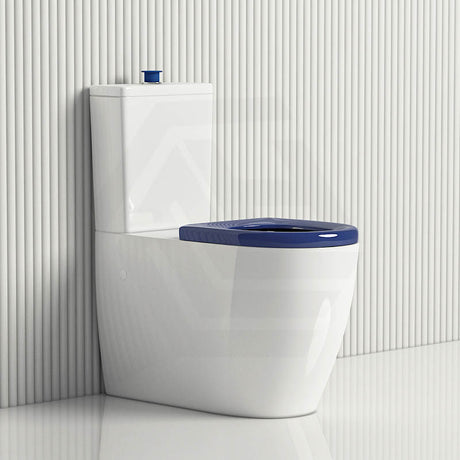
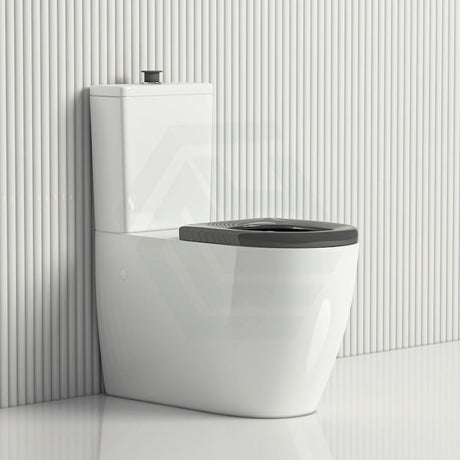
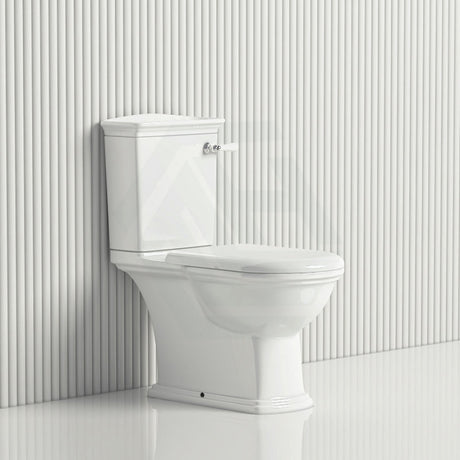
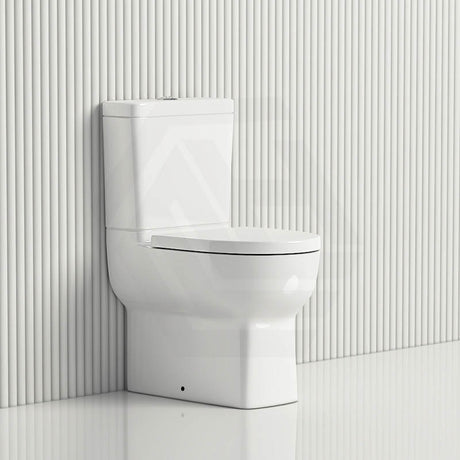
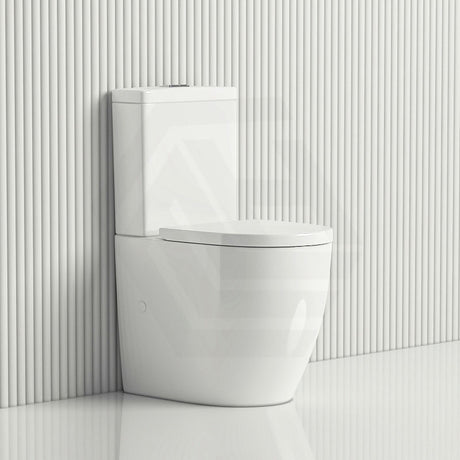
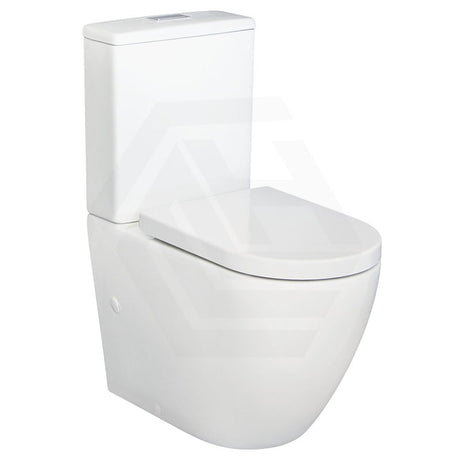
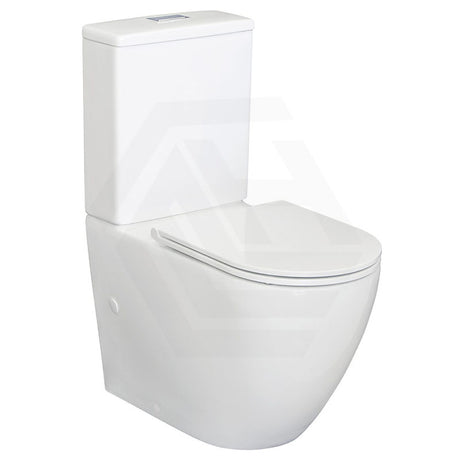
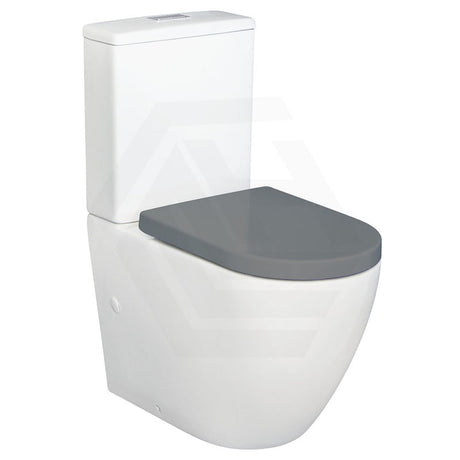
For modern living, your bathroom deserves the same level of style and functionality as the rest of your home. A well-chosen P-trap toilet makes a bathroom feel instantly smarter—clean lines, reliable performance, and fewer installation compromises.
At MyHomeware, our best p-trap toilets can work effortlessly with wall outlet plumbing, helping you achieve a tidy finish, strong flushing, and everyday comfort.

Why Choose MyHomeware P-Trap Toilets:
- Proven compatibility: Designed around the widely used 180mm set-out, with straight pipe connectors that can be trimmed on site.
- Advanced hygiene: Features rimless or tornado flushing to eliminate bacteria, combined with Hygiene Plus glazes.
-
Water efficiency: Most models carry a 4-star WELS rating (4.5L/3L flush), balancing waste removal with eco-friendly use.
- Comfort: Includes soft-close seats and quiet flushing systems suitable for families and seniors.
All MyHomeware toilet suites are WaterMark approved and made from durable vitreous china, ensuring they meet strict Australian standards.
P Trap vs S Trap: What's the Difference and Which One Should You Choose?
When discussing s and P traps, the main difference lies in the shape and the direction of the outlet.
- P-Traps: The pipe exits the fixture, goes down, loops up (creating the seal), and then exits horizontally into the wall. Choose this if your waste pipe goes out through the wall. This is common in apartments, upper-story bathrooms, and wall-hung toilet setups.
- S-Traps: The pipe exits the fixture, goes down, loops up, and then curves back down to exit vertically into the floor. Choose an S-trap if your waste pipe goes down through the floor. This is very common in older Australian freestanding homes.
It is important to note that S-traps can be prone to "siphoning." If a large amount of water flows through quickly, it can suck the water out of the trap, breaking the seal. P-traps are generally vented better and are less prone to this issue, which is why they are often preferred in new builds where possible.
How to Install a P Trap?
Note: In Australia, many plumbing tasks require a licensed plumber. However, replacing a simple basin trap is often considered minor maintenance. Always check your local regulations before starting.
If you are installing a P-trap under a kitchen or bathroom sink, follow these general steps:
- Preparation: Place a bucket underneath the old trap to catch water.
- Removal: Unscrew the slip nuts on the old trap by hand or with channel-lock pliers. Remove the old trap.
- Positioning: Slide the new slip nut and washer onto the tailpiece (the pipe coming down from the sink).
- Connection: Slide the new P-trap into position. Connect the trap arm to the wall drain and the trap bend to the sink tailpiece.
- Tightening: Hand-tighten all slip nuts. Ensure the trap is not under stress or twisted.
- Testing: Run the water and check for leaks. If a leak appears, tighten the nut slightly more (do not overtighten as plastic can crack).

Maintaining Tips for a P Trap
To keep your p-traps functioning correctly and smelling fresh, follow these maintenance tips:
- Run Water Regularly: If you have a guest bathroom that is rarely used, run the water for a minute once a week to ensure the trap doesn't dry out.
- Avoid Chemical Cleaners: Harsh chemicals can damage PVC pipes and chrome finishes.
- Natural Cleaning: Pour half a cup of baking soda followed by half a cup of vinegar down the drain. Let it sit for 15 minutes, then flush with hot water. This breaks down grease and keeps the trap clean.
- Clean the Trap: If the sink drains slowly, place a bucket under the trap, unscrew it, and manually clean out any hair or debris.
Conclusion
Whether you’re updating a bathroom or sorting out a leaky sink, it helps to understand how a P-trap works. It may look simple, but it plays a big part in keeping your home clean and free from nasty sewer smells.
The choice between S and P traps usually depends on how your plumbing is set up. Still, picking good-quality fixtures, including a modern P-trap toilet, can improve both the look of your bathroom and how well everything runs day to day.