

28 April, 2026
Double Vanity Dimensions: Size Guide for Australian Bathrooms
Double vanity dimensions guide for Australian bathrooms: standard widths from 1200mm to 1800mm, depths, heights and clearance requirements. Essential sizing tips for comfortable double basin layouts.

Standard Double Vanity Dimensions: What the Numbers Look Like
In Australia, the three most common double vanity width options are the 1200mm, 1500mm, and 1800mm. These are the most typical measurements you will encounter whether you are browsing the bathroom showroom or purchasing online. The measurements refer to the total width of the vanity from one end to the other.
The next most important thing to look at is the depth. Most double vanities run from 450mm deep up to 550mm deep. This extra 100mm between the 450mm depth and the 550mm depth can be crucial for a smaller bathroom, as it will be the difference between being able to comfortably pass by the vanity each time you use the bathroom and not.
The only double vanity dimension which is more standardised is the height, with double vanity size heights usually ranging from 850mm to 900mm. This is the standard benchtop height in kitchens, which most Australians find comfortable when using their vanity. However, if you have a wall-hung double vanity, you can actually mount it at any height, which may be something you would want to factor into your decision if you have very tall persons in your household.
The 1200mm double vanity is the standard option, which is relatively narrow for two people to use simultaneously but you may still be able to fit it in a small ensuite. These are the most common vanity sizes Australia suppliers and showrooms carry. The 1500mm gives you a little more elbow room, while the 1800mm works best in a larger bathroom or master ensuite.

How Much Bathroom Space Does a Double Vanity Actually Need?
This is the point where many homeowners tend to struggle when renovating their bathroom. Just because the double vanity is 1200mm wide does not mean you have to purchase a 1200mm space from wall to wall, as you will need to factor in clearance on either side of the vanity as a minimum.
As a general rule, you will need at least 50mm of space between the vanity and any plumbing fixtures or walls on either end, as well as a minimum of 600mm to 760mm of space in front of the vanity in order to comfortably stand, open drawers, and bend over.
So, in this instance, if you bought a double vanity that measured 1200mm wide, you would be able to fit that in an overall width of 1300mm and a wall depth measuring somewhere between 1850mm to 2060mm once factoring the space needed in front. Opting for a 1500mm wide vanity would require a minimum wall width of 1600mm to allow for the vanity as well as a front space of 600mm to 760mm as discussed above.
If your bathroom is not quite as spacious and cannot accommodate these measurements, you might like to think about a wall-hung vanity. These units are smaller in their overall footprint and are often easier to clean underneath as they are secured to the wall. The only catch is that it does have to be a solid wall and not simply regular plasterboard, as a plaster wall is not sturdy enough to hold the weight of the vanity unit.

Basin Configurations and Benchtop Options for Double Vanities
The next consideration with double vanity dimensions is what type of basin configuration you would like to install. There are four main configurations: undermount, inset, vessel, and semi-recessed. The four types will determine how much actual benchtop space you have available to use.
An undermount basin is by far the most popular configuration, with the basin sitting directly underneath the benchtop. This style is the easiest to keep clean with the flush edge and smooth transition between basin and surface. Inset basins are set into the benchtop, creating a rim around the basin but making for an easy installation. Vessel basins sit on top of your vanity benchtop and are eye-catching, yet they can increase the overall usable sink height by around 100mm to 150mm, so something worth considering if your bench height is already 900mm from the floor.
When it comes to the material used in the benchtop itself, engineered stone remains the top choice for double vanity units in Australia today. You get a surface that is both durable and resistant to stains, as well as available in a whole host of different colours and finishes. Solid surface materials are another option if you want a fully integrated basin. Timber benchtops also look great, yet they require regular sealing and can be too exposed to moisture for a bathroom.
The centre-to-centre distance between the two basins should be at least 900mm, otherwise you will have issues bumping each other's elbows during your morning routine. A double vanity width unit can be a minimum of 1200mm wide to achieve this, but we would suggest a longer 1500mm or 1800mm option for more space.

Complementary Storage: Making the Most of Your Bathroom Space
A double vanity unit will require a lot of wall space, so your bathroom storage needs to be well planned. Here is where vertical storage becomes important.
The most helpful storage companion for any double vanity is a bathroom high cabinet (a tall boy). You will come across these units in a range of different styles, which can either be freestanding or wall-mounted. They typically measure around 300mm to 400mm wide, 300mm to 350mm deep, and are between 1400mm to 1800mm high, offering plenty of room for storing everything from towels to toiletries and cleaning products across shelves or in drawers.
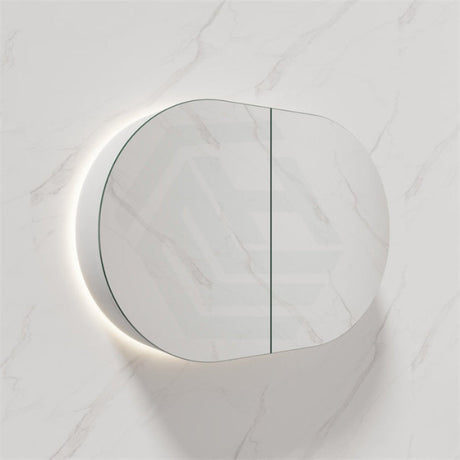
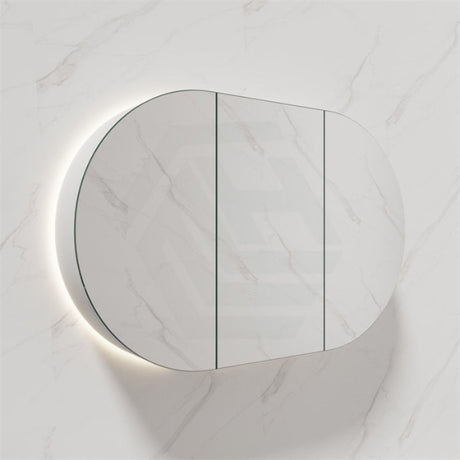
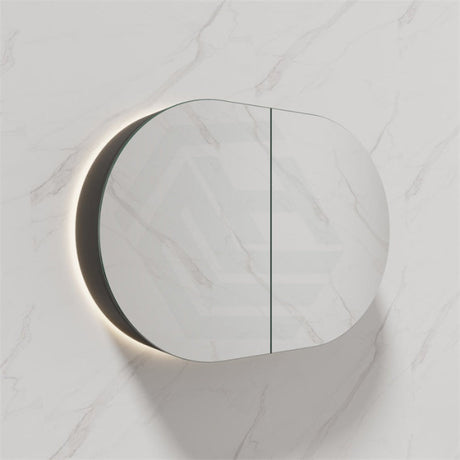
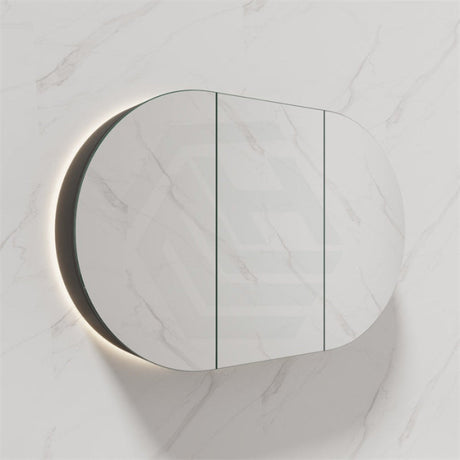
A mirror cabinet mounted above the vanity can be an even better storage solution, as it provides shelving as well as a mirror. Consider installing one large mirror cabinet (between 900 and 1200mm wide) on a double vanity to allow enough storage so that each person has their own section for their products. Another option would be to fit your vanity with under-basin drawers, which usually have full-extension and soft-close runners on both sides so the whole length of the drawer can be accessed.
Tall bathroom cabinets mounted to the wall could also be fitted alongside your vanity to help free up floor space for easier cleaning, should space be at a premium. Storage is everything when looking for the right double vanity unit for your bathroom: ensure you are choosing storage that helps the room do the most for you without the extra clutter.

How to Measure and Install a Double Vanity the Right Way
Measure the space in your bathroom before you order anything. Measure the wall that your vanity is going to sit on; measure the length at floor level and up to a height of 900mm to account for any uneven walls. Take note of where any existing plumbing rough-ins, power points, and wall studs are in your space.
A double vanity needs two sets of water supply pipes and two waste connections, so either check that the plumbing in your bathroom has the capacity for this or get a licensed plumber in to add the extra set. The plumbing rough-ins are usually set at either end of the vanity from a point of 500mm to 600mm, so they sit directly under where the basins would be.
If you are mounting your double vanity on the wall, make sure you find your wall studs and get yourself a good heavy-duty bracket to take the load of the vanity once it is full of bathroom items. If you have a PVC vanity, note that a plywood-backed unit is a lot heavier, so it is important to consider the type of bracket and how the unit will mount. Ensure that any bath cabinet you mount next to your vanity is placed on a level surface; you can check whether your floor is level first by using a spirit level.
The door and drawer clearances on bathroom units are a major issue, so it is best to test-open any doors or drawers on your chosen unit to ensure it will clear the toilet or shower screen and bathroom door properly. I have seen it a few times where the bathroom unit looked great until the owner opened a drawer and it actually hit the toilet.